Scherpenheuvel Cemetery

A funerary bastion at the foot of a devastated city center.

About this building

The definitive plans for the cemetery of Scherpenheuvel were approved in 1898, which is more than a century after the decree of Joseph II that required to burials to take place outside built-up areas.

At the end of the 19th century, setting up a new cemetery turned out to be a necessity that the city could no longer ignore. One hectare of land was provided for which architect Paulus Bosart from Diest devised a balanced plan. The historical framework is still present and offers the possibility to integrate the new forms of asbestos destination.
Other nearby buildings

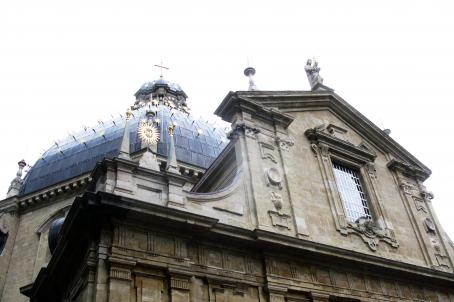
Front-side and dome of a church

Basiliek de Scherpenheuvel

Reputedly the most visited shrine of pilgrimage in Belgium, this church was consecrated in 1627, and owes much of its beauty and status to the patronage of the Archdukes Albert and Isabela, and its role in the Counter-Reformation.

Wikimedia Commons/EmDee

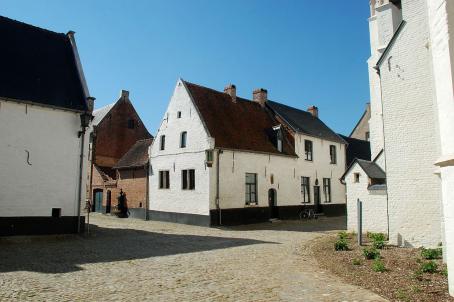
Beguinage of Diest

The beguinage of Diest dates from the 17th century. The first beguines settled from 1245 on the territory of Webbekom, outside the ramparts of Diest. The houses of the beguines were gradually rebuilt to finally form a beautiful group of houses in traditional style, most of them dating from the 18th century.