Naantali Church

The church of Naantali was built in the 15th century, originally as a monastery church. The monastery closed in 1544 during the Protestant Reformation. During the reign of John III (1569-1592), the monastery resumed activity for a while, and his Catholic wife Catherine Jagellon called in new novices. The last nun died in 1591, and in 1608 King Charles IX (1604-1611) ordered the destruction of the monastery buildings, only the church was preserved.
About this building

Key Features

  • Architecture
  • Monuments

Visitors information

  • Parking within 250m
  • Café within 500m

Other nearby buildings

Wikimedia Commons/Mikkoau

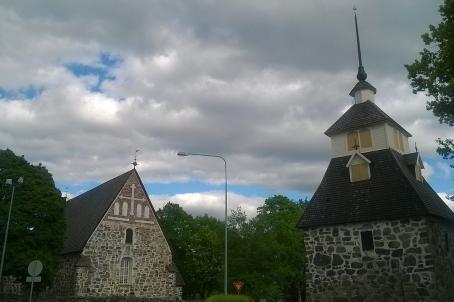
Lemu Church

The church of Lemu is a medieval stone church dedicated to St. Olaf. It was probably built between 1460 and 1480. The present neoclassical wooden bell tower of the church, dating from 1812, is located on the north-eastern side of the church. The old bell tower, built in the 1570s, had fallen into ruin at the turn of the 18th century when plans for the present bell tower began to be drawn up. Next to the Lemu church is the homeland museum called Kemppien tupa. The museum is housed in a former parish warehouse built in 1858.

Wikimedia Commons/Mikkoau

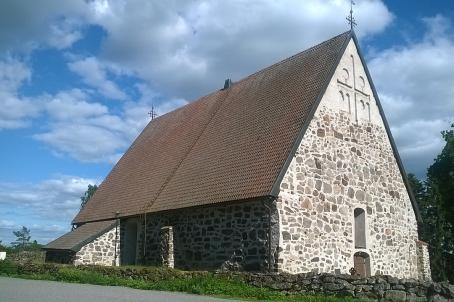
Masku Church

The church of Masku is a medieval stone church probably built between 1490 and 1510, dedicated to John the Baptist and St. Ursula. Next to the church is the Masku Museum, founded in 1974, which collects art objects from the local peasantry.

Wikimedia Commons/Tiia Monto

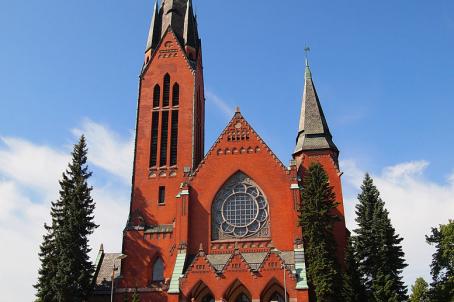
St. Michael's Church

St. Michael's Church was built between 1899 and 1905. It was designed by Lars Sonck, a 24-year-old architecture student who won a church design competition in 1894. The architecture of the church mixes neo-Gothic and Art Nouveau. Although his work was admired by his peers, architect Sonck did not hide his dislike of the church afterwards.