Santo Spirito Hub is a cultural and creative center located in the historic former church of Santo Spirito in Cellino Attanasio (Teramo; Abruzzo; Italy). It offers a multifunctional space for concerts, workshops, exhibitions, and community events, alongside a coworking area and tourist info point. Born from the REVIVE project, it connects heritage and innovation, bringing new life to the town through culture, collaboration, and shared experiences.
About this building
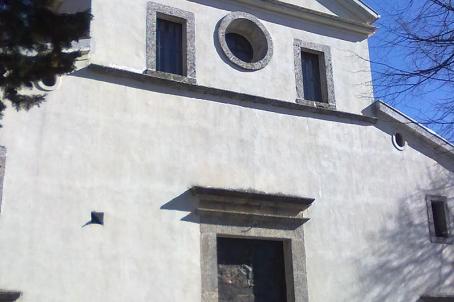
Santo Spirito Hub is a unique cultural space set within the former Church of Santo Spirito, in the historic heart of Cellino Attanasio, a charming hilltop village in Abruzzo, Italy. It offers a multifunctional space for concerts, workshops, exhibitions, and community events, alongside a coworking area and tourist info point. Once a quiet and underused building, the church has been thoughtfully reimagined as a place where heritage and contemporary creativity meet.
The architecture preserves the spiritual and historical character of the original structure, with its simple yet evocative interior, high ceilings, and traces of its past still visible in the walls and decorative details. As you step inside, you are welcomed into an atmosphere that blends silence and inspiration, where the memory of the place coexists with a renewed sense of purpose.
One of the most distinctive features of Santo Spirito Hub is its flexible interior layout. Carefully designed modular furniture, with decorations inspired by local artistic traditions, allows the space to transform effortlessly, offering different perspectives each time you visit. The dialogue between traditional elements and modern design creates a setting that feels both authentic and forward-looking.
The surrounding area adds to the experience. Just outside, there is a garden you can enjoy scenic views of the rolling hills and the Gran Sasso mountains, a reminder of the deep connection between the building and the landscape. The location within the historic center also invites visitors to explore the narrow streets, viewpoints, and everyday life of the village.
Santo Spirito Hub is not just a place to see, but a place to feel. It invites visitors to slow down, observe, and imagine how spaces can evolve while preserving their identity. Whether you are drawn by architecture, cultural heritage, or simply the beauty of small Italian towns, Santo Spirito offers a meaningful and memorable stop on your journey.
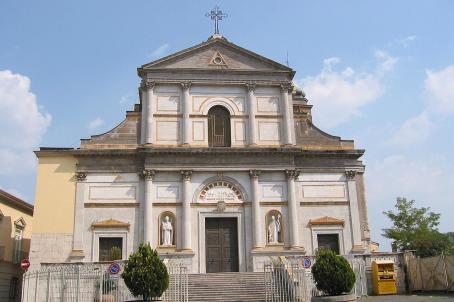
The cathedral of Avellino was built between 1132 and 1166. However, thanks to the will of various bishops, and sometimes also because of various damages caused by earthquakes and wars, the structure has undergone numerous restorations and extensions. The Cathedral, which has a Romanesque appearance, kept its original appearance until the end of the 17th century when the first transformations and restorations began. In the second half of the 19th century, Bishop Francesco Gallo (1855-1896) had the cathedral completely rebuilt and enlarged, transforming it into a neoclassical building. The façade was rebuilt by the architect Pasquale Cardola between 1857 and 1868, while the interior was transformed by the architect Vincenzo Varriale, who worked intensively on it from 1880 to 1889.
The co-cathedral of San Donato was built from 1575 on the ruins of an earlier church that was elevated to the rank of cathedral of the diocese of Acerno in 444 by Pope Leo I. As a result of several seismic events, particularly that of 1980 and a subsequent fire, the structure underwent numerous structural modifications. With a renovation project in 1989, the church was completely restored and reopened for worship.
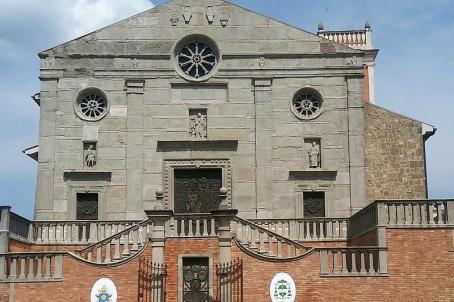
The Cathedral of Ariano Irpino was built in the 10th century on the ruins of an ancient temple of Apollo. King Charles I of Anjou (1266 - 1285) had the cathedral rebuilt, which was completed much later, in 1309. The new building was damaged by the earthquake of 1349 and then devastated by the great earthquake of 1456. The basilica was hit again by earthquakes in March 1517, June 1688, September 1694, March 1702 and especially in November 1732. The bishop of the time, Filippo Tipaldi, completed the new construction of the sacred building in 1736, giving it its modern structure and forms. Still damaged by the earthquake of 1962, the cathedral was then subject to extensive renovations and was reopened for worship in 1982, while the bell tower, which collapsed in the earthquake of 1980 without causing any casualties, was later rebuilt.