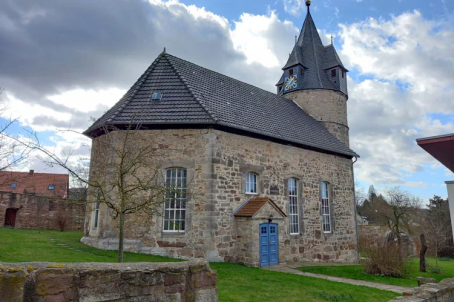
St. Mariä Heimsuchung

The first mention of St Mary's visit dates back to the late 13th century. In 1429 a sacristy was built to the north of the choir, which is now used as the Lady Chapel. In 1833, parts of the vault collapsed. A three-part window at the south portal was broken during the 19th century. In 1899-1900 a storey with a gallery was added to the church tower and the eight-sided spire was added. In 1947, the present sacristy was built to the south of the choir. From 1974 to 1975, the church was extensively renovated under the direction of the architect Heinrich Stiegemann from Warstein.
About this building

Key Features

  • Architecture
  • Monuments

Visitors information

  • Bus stop within 100m
  • Parking within 250m
  • Café within 500m

Other nearby buildings

Wikimedia Commons/Wilhelm Thomas Fiege

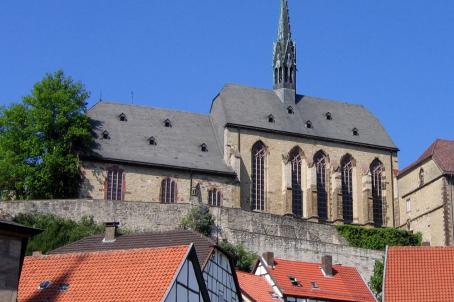
St. Maria in vinea

The Protestant church of St. Maria in vinea, in early Gothic style, was the parish church of the old town of Warburg until 1283. The bishop of Paderborn, Otto von Rietberg, then ordered that the church be handed over to the Dominican order. St. Mary in Vinea remained the church of the Dominican monastery until its secularisation in 1803. Since 1824 it has been the church of the Protestant community. Next to the church is the Marianum Gymnasium in the former Dominican monastery.

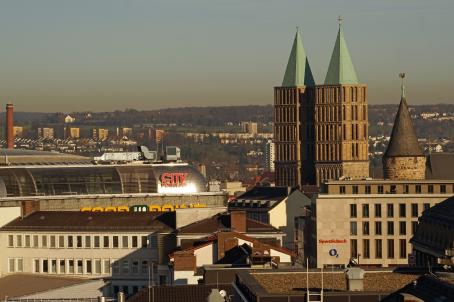
Martinskirche

The Martinskirche was founded in the 14th century and consecrated in 1462. From 1524, when Landgrave Philipp converted to the Protestant faith, the church was Protestant. The cloister, which housed the city's Latin school from 1539-1776, was demolished in 1776-77 due to the threat of collapse. From the beginning of the 16th century until the end of the 18th century, the landgraves of Hesse were buried here.