Round Church of Preslav
Preslav, BG
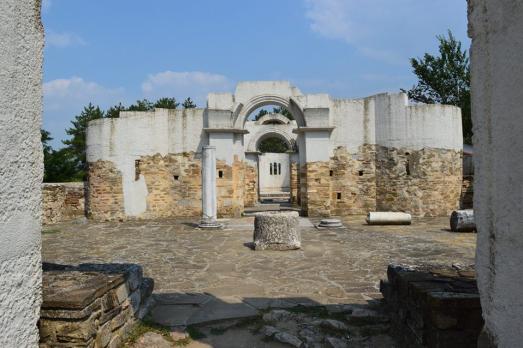
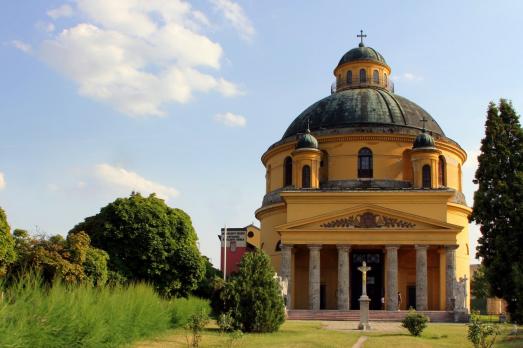
Even partially preserved, the Round Church of is a unique testimony of the First Bulgarian Empire and an exquisite example of early Byzantine architecture.
Here you can search for a building to visit. You can use the map find destinations, or you can use the filters to search for a building based upon what different criteria.
Preslav, BG
Even partially preserved, the Round Church of is a unique testimony of the First Bulgarian Empire and an exquisite example of early Byzantine architecture.
Roustika, GR
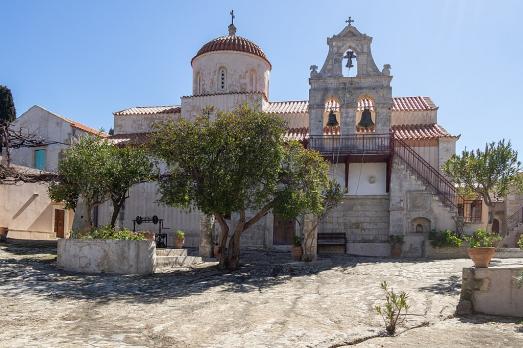
The Monastery of Prophet Elijah (Profitis Elias) in the surroundings of Roustika, is a historic monastery founded in the Venetian period. The monastery was destroyed several times by the Ottomans. Most of the current buildings date from 1866.
Vanylven, NO
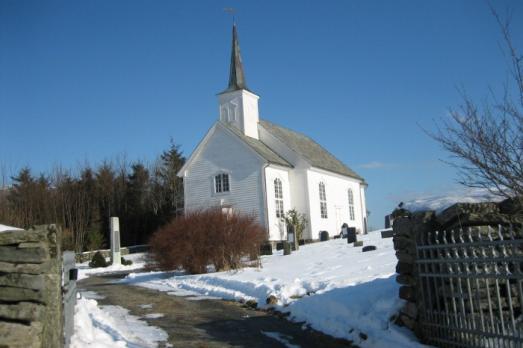
Rovde Church was built by the builder Lars Tornæs from Ålesund in 1872. The church that stands today is the third known church in this town. The oldest church built on this site was a stave church.
, SE
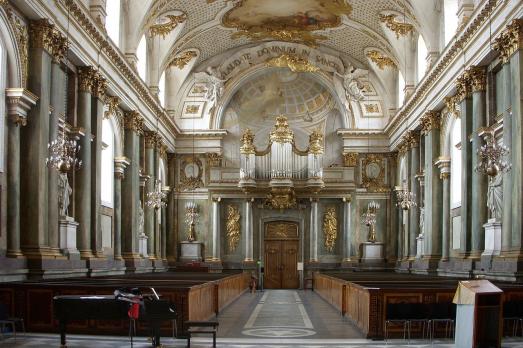
The Royal Chapel was built with the Royal Palace in Stockholm. The chapel was opened in 1754, six years before the completion of the royal palace. The castle church is still used by the royal family during religious ceremonies.
Granada, ES
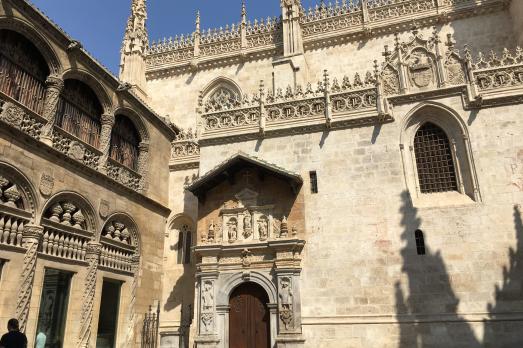
The Royal Chapel of Granada was commissioned by the monarchs of Spain in 1504 as a funerary chapel. The chapel was completed during the reign of Charles V, who began to bury most of his family here. Among the Spanish monarchs buried here are Ferdinand and Isabella, as well as princess Maria of Portugal.
Naples, IT
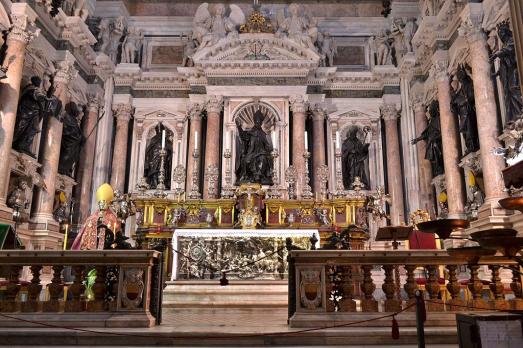
The Royal Chapel of the Treasure of St. Januarius (Reale cappella del Tesoro di San Gennaro) keeps the relics of Naples' current patron saint. It is located in the Cathedral of Naples.
Schaerbeek, BE
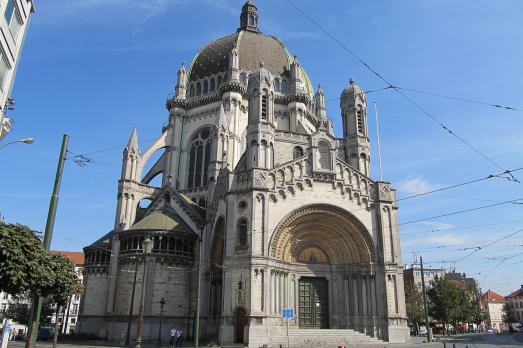
The Royal Church of St. Mary was built from 1845 to 1888 in the Romano-Byzantine style. The architect of the church, Louis van Overstraeten, was inspired in his design by the octagonal basilica of St. Vital in Ravenna (Italy). Deteriorating rapidly after the war, the Royal Church of St. Mary was closed to the public in 1966 because it was considered too dangerous. The church was saved by the "Friends of St. Mary's Church" association, which obtained its classification as a historical monument in 1976. After 14 years of renovation, the church was reopened to the public in 1996.
Tortosa, ES
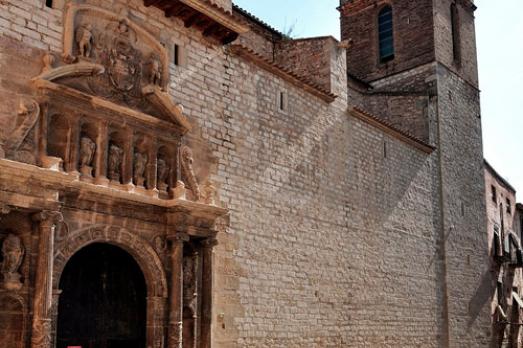
The Royal Colleges of Tortosa have their origin in the institution of the Lectoría, which had the purpose of training the cathedral readers, destined for teaching. The Royal College of Sant Jordi and Sant Domènec was completed in 1578 and was part of a Dominican convent. It is an exponent of Catalan Renaissance.
Córdoba, ES
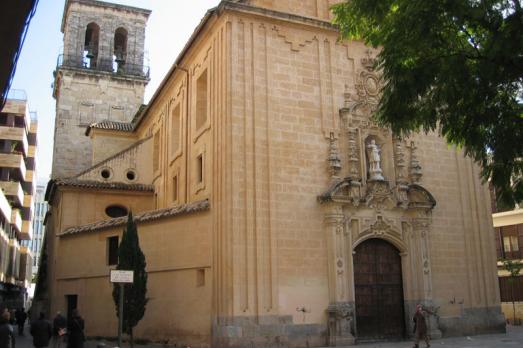
The church of San Hipólito de Córdoba was created by King Alfonso XI in 1343, after his victory in the decisive Battle of Salado (1340). At first the building was destined to a monastery, but later, in 1347, it would become Royal Collegiate, a status it lost in 1852 to be finally ceded to the Jesuits.
Sandhurst, GB
The first chapel of the Royal Military College, Sandhurst, built in 1813, formed part of the Old College building and, following the construction of the newer and larger chapels, it was used variously as a dining hall and museum. It is now known as the Indian Army Memorial Room.
new
For a long time, Europe was ruled by powerful monarchies. Monarchy and religion have been connected since time immemorial. Here are 7 sites across Europe where royalty historically bent the knee to a higher power and received their crown.
Stupas are symbols of enlightenment and peace that commemorate different stages of Buddha's life. Since the mid-20th century, thousands of stupas have begun to populate Europe. We have compiled some of the most impressive ones in this list.
Walter Maria Förderer (1928–2006) was a Swiss architect and sculptor renowned for his neo-expressionist church designs in the 1960s. In this list we have compiled 6 of his church designs that seamlessly integrate religious and secular elements.