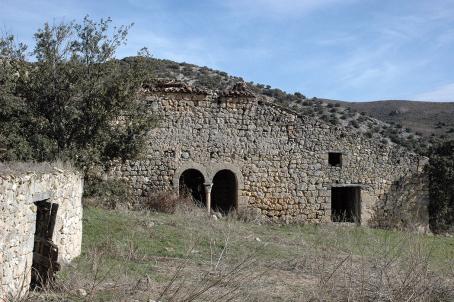
Monastery of San Juan de Valfermoso

The initiative for the foundation of this Benedictine monastery came from Juan Pascasio and his wife, Flamba, in the 12th century. The life of the monastery continued through the different periods and according to the social events of the territory. The 19th and 20th centuries were of particular importance due to the afflictions that affected all monastic houses, the Liberal Triennium, the confiscation of church property and, more recently, the Civil War, which left the monastery in a state of ruin
About this building

For more information about this building visit https://monestirs.cat/monst/annex/espa/caman/cValfermoso.htm

Key Features

  • Architecture
  • Monuments
  • Interior features

Other nearby buildings

Monestirs.cat

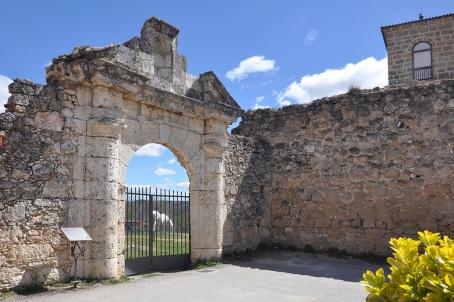
Ruins of the Monastery of San Blas of Villaviciosa

The monastery of San Blas de Villaviciosa (Villaviciosa de Tajuña) is located in the northeast of Brihuega, the municipality to which it belongs. The foundation of this monastery was preceded by the establishment of an Augustinian canonry, founded by the archbishop of Toledo, Gil de Albornoz, in 1347. It was suppressed with the Spanish confiscation, which meant the loss of its assets and also of a good part of the buildings. Only the portal is and some remains of other buildings are preserved today.

Monestirs.cat

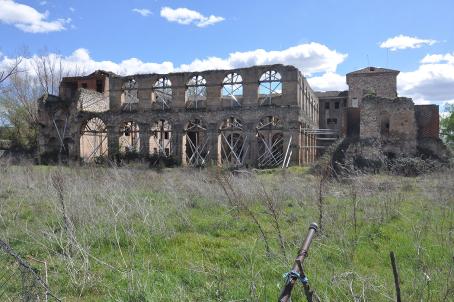
Monastery of Santa María de Sopetrán

Traditionally, this monastery has been considered to have very ancient roots, dating back to the Visigothic period. With the support of Alfonso VI, the construction of a canonry that would continue during the following century would have begun, but in 1267 it had already been lost. In 1836, Sopetrán was left without a religious community. There are initiatives to give the site a boost and restore it, although it is still in ruins.

Monestirs.cat

Ruins of the Monastery of San Salvador de Pinilla

In 1218, Rodrigo Fernández and his wife, wealthy people from Atienza, founded a female Cistercian monastery in this place, which they named after San Salvador. In the future, this monastery would benefit from more goods and privileges from individuals and also from kings. he monastery continued its activity in this place until 1576, when, following the provisions of the Council of Trent, a more suitable place for the community was sought, and it was moved to the new convent of the Conception of Almonacid de Zorita, which was also abandoned in 1623.