Maranathakerk
s-Gravenzande, NL
On July 3, 1919, the foundation stone of this church building was laid by Rev. D. Driessen. The day of commissioning was set for December 18, 1919. Hall church without tower in neo-Gothic forms.

Here you can search for a building to visit. You can use the map find destinations, or you can use the filters to search for a building based upon what different criteria.
s-Gravenzande, NL
On July 3, 1919, the foundation stone of this church building was laid by Rev. D. Driessen. The day of commissioning was set for December 18, 1919. Hall church without tower in neo-Gothic forms.
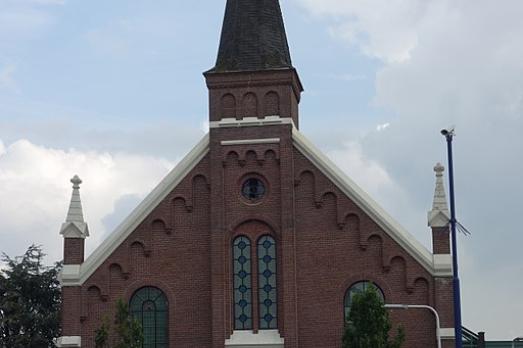
Alphen aan den Rijn, NL
Built as a Reformed church. Formerly called Zuiderkerk. Nice neo-church with tower. Severely damaged by fire (or fire-setting) in 1998, restored in 1999. Before the fire, the interior of this church had already been extensively modernized.
Nijkerk, NL
Well-maintained "redome" with small tower.
Ermelo, NL
Modern rectangular church with detached tower. Built as a Reformed church.
Slikkerveer, NL
Modern church without tower. Built Reformed Church (Liberated), first in Bolnes and Ridderkerk, extension 1987 and 1995. Since 2004 temporarily co-used by the Restored Reformed Church, which later had its own church building built in Ridderkerk.
Hendrik-Ido-Ambacht, NL
Modern church without tower. Various later modernizations.
Bedum, NL
Out of use 1863, demolition for new construction.
Giessenburg, NL
The current Reformed Maranatha Church (1971) at Peursumseweg 15 was built behind the previous Maranatha Church (built in 1913). When the current church was put into use, the demolition of the old church began. The first Maranatha Church from 1913 was built following the merger of two congregations: the Reformed Church of Giessen-Nieuwkerk and the Reformed Church of Giessen-Oudekerk. In 1913, the name of the church community became: Reformed Church Giessen-Nieuwkerk and Giessen-Oudekerk. Since 1957, the name has been Reformed Church Giessenburg (due to the merger of three civil municipalities). The Reformed Churches of Giessen-Nieuwkerk and Giessen-Oudekerk both have separate histories:
Bunschoten-Spakenburg, NL
Built as Reformed Church (Liberated). Reconstruction church with roof turret. After merger in 2023 NGK.
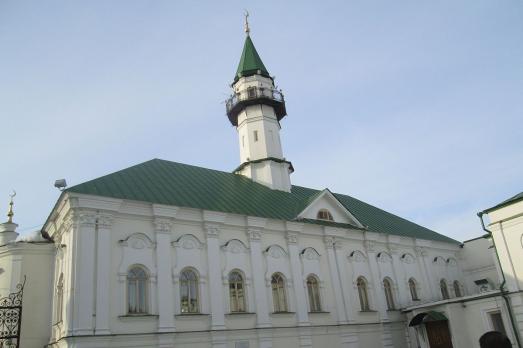
Kazan, RU
The Märcani Mosque, one of the largest mosques in Russia, was one of the symbols of the tolerance granted by Empress Catherine II (1762 - 1996) to non-Christian Russian communities at the end of the 18th century. This mosque remains the historical centre of Tatar-Muslim spirituality. The mosque was built in 1766-1770 and is the first stone mosque built in Kazan after it was taken by Ivan Terrible in 1552. The building was constructed in the tradition of medieval Tatar architecture with a minaret on the roof and forms in the provincial baroque style. In the decoration of the facades and interiors, the architectural decoration of the Petrine Baroque is combined with the decorative motifs of Tatar decorative art.

new
For a long time, Europe was ruled by powerful monarchies. Monarchy and religion have been connected since time immemorial. Here are 7 sites across Europe where royalty historically bent the knee to a higher power and received their crown.

Stupas are symbols of enlightenment and peace that commemorate different stages of Buddha's life. Since the mid-20th century, thousands of stupas have begun to populate Europe. We have compiled some of the most impressive ones in this list.

Walter Maria Förderer (1928–2006) was a Swiss architect and sculptor renowned for his neo-expressionist church designs in the 1960s. In this list we have compiled 6 of his church designs that seamlessly integrate religious and secular elements.

How is Religiana helping to conserve and promote Religious Heritage in Europe and why should you get involved?
Find out about Religiana
Are you a tourism organisation or religious heritage sites manager? Discover the advantages of becoming a partner.
See current partners
We can keep you up to date with the latest news from Religiana and religious heritage conservation across Europe.
Sign up to the FRH newsletter