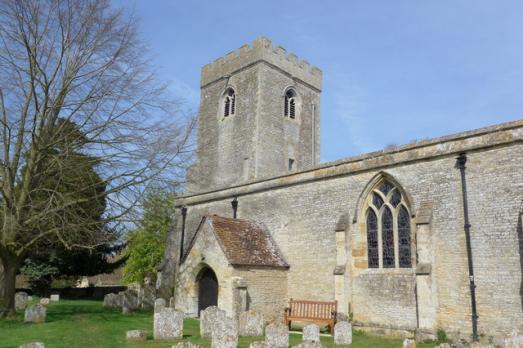
St Peter
Great Hasely, GB
The beautiful church of St Peter in Great Haseley dates mostly from the 13th and 14th centuries and includes some fine Early English and Decorated features.

Here you can search for a building to visit. You can use the map find destinations, or you can use the filters to search for a building based upon what different criteria.
Great Hasely, GB
The beautiful church of St Peter in Great Haseley dates mostly from the 13th and 14th centuries and includes some fine Early English and Decorated features.
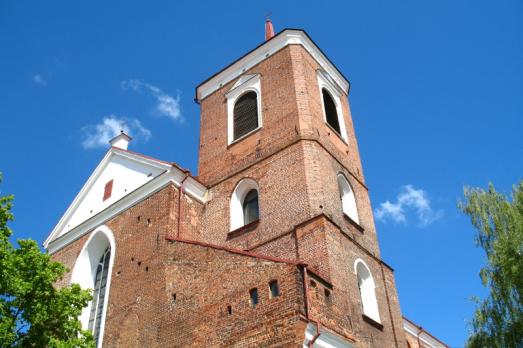
Northampton, GB
The most outstanding Norman church
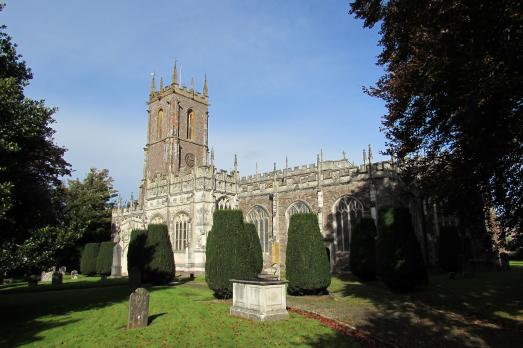
Tiverton, GB
There was probably a church on this hilltop overlooking the River Exe in late Saxon times, but the first stone church was erected shortly after the Norman Conquest and consecrated in 1073. Very little remains of the Norman building. The church today is almost entirely a 15th century rebuilding, with tall Perpendicular windows making it spacious and light. The tower and chancel are 15th century, while the south aisle and Greenway Chapel are 16th century.
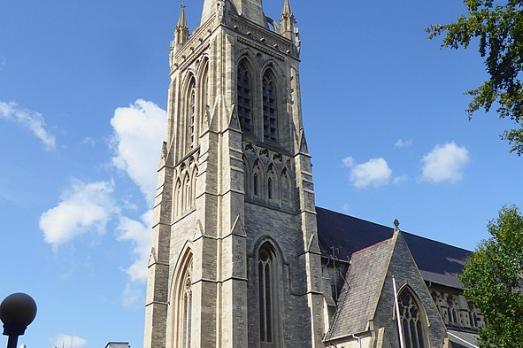
Bournemouth, GB
St Peter's was completed in 1879 to a design by GE Street as the founding mother church of Bournemouth. The building incorporates work by some of the finest Gothic Revival architects and artists, including Street, George Frederick Bodley, Ninian Comper, Arthur Blomfield and Edward Burne-Jones, with stained glass and frescoes by Clayton and Bell. The chancel has been described as 'one of the richest Gothic Revival interiors in England'.
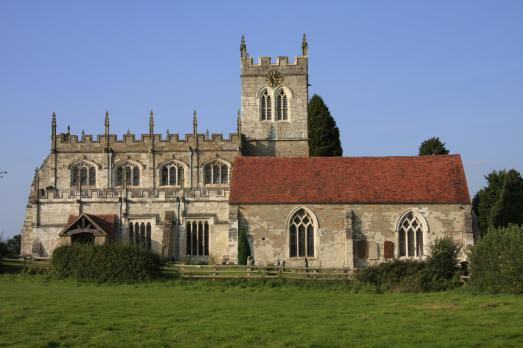
Wootton Wawen, GB
St Peter's Wootton Wawen, near Stratford upon Avon, is one of the oldest structures in England's idlands. Its tower dates back to the 900s, if not earlier.
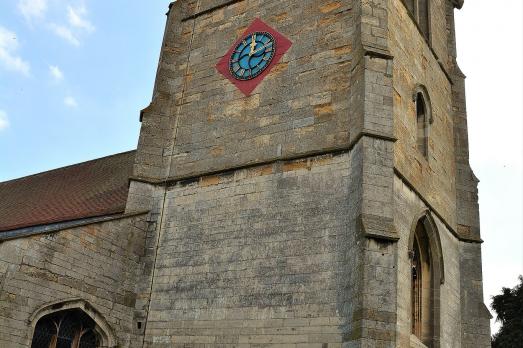
Stixwould, GB
The present church was built in 1830/31 on the same site as one dating from the middle 15th century. Many interesting treasures are waiting to be found within.
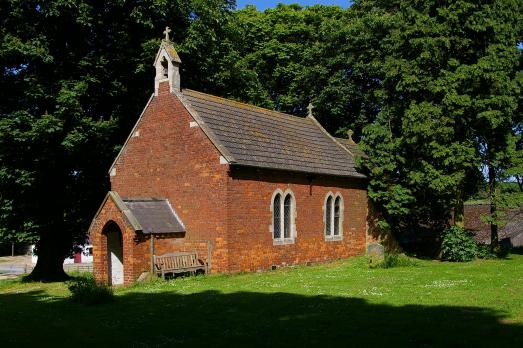
Gayton le Wold, GB
Gayton le Wold is a small village nestling in the Lincolnshire Wolds, to the west of the market town of Louth. So small in fact it doesn't appear on some of the larger scale maps. The brick church of St Peter sits peacefully on the hillside of this rural hamlet. It is hard to believe that only 150 years ago the Wesleyans and Free Methodists also had chapels situated in this tiny village.
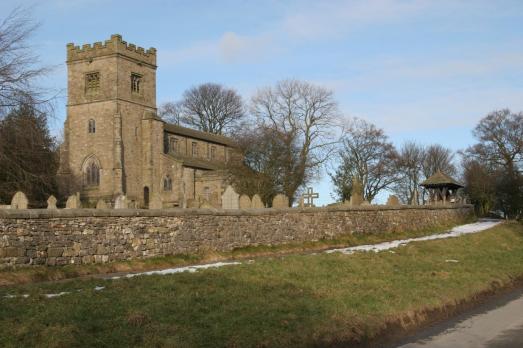
Rylstone, GB
One of the Rylstone's most iconic buildings is St Peter's Church. Designated as Grade II listed by English Heritage, it was constructed between 1852 and 1853 and has a gritstone exterior in a style known as 'churchwarden gothic'.
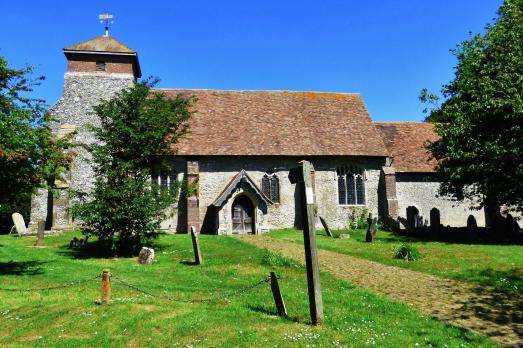
Molash, GB
St Peter's is in a windswept location, in open farmland, with ancient yew trees and a patina of great antiquity. Abutting the north side of the tower, and entered from the church, is a rare medieval priest's house.
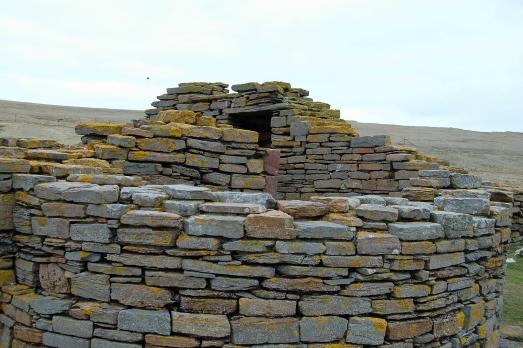
Brough of Birsay, GB
Today, the Brough of Birsay is a small tidal island off the Orkney mainland. Between the 600s and 1200s AD, the area was settled by the Picts and Norse.

new
For a long time, Europe was ruled by powerful monarchies. Monarchy and religion have been connected since time immemorial. Here are 7 sites across Europe where royalty historically bent the knee to a higher power and received their crown.

Stupas are symbols of enlightenment and peace that commemorate different stages of Buddha's life. Since the mid-20th century, thousands of stupas have begun to populate Europe. We have compiled some of the most impressive ones in this list.

Walter Maria Förderer (1928–2006) was a Swiss architect and sculptor renowned for his neo-expressionist church designs in the 1960s. In this list we have compiled 6 of his church designs that seamlessly integrate religious and secular elements.

How is Religiana helping to conserve and promote Religious Heritage in Europe and why should you get involved?
Find out about Religiana
Are you a tourism organisation or religious heritage sites manager? Discover the advantages of becoming a partner.
See current partners
We can keep you up to date with the latest news from Religiana and religious heritage conservation across Europe.
Sign up to the FRH newsletter