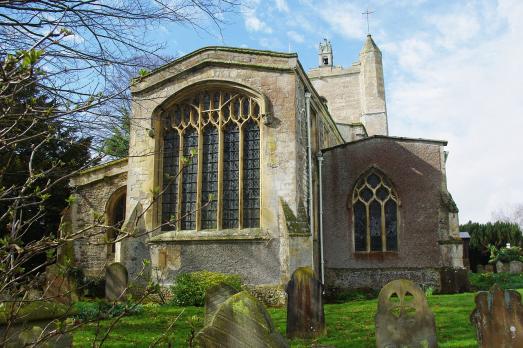
St Andrew
East Hagbourne, GB
Hagbourne parish church was built, or rebuilt, at the beginning of the 12th century, and consisted then of a nave and chancel. Only a few walls remain from this time.

Here you can search for a building to visit. You can use the map find destinations, or you can use the filters to search for a building based upon what different criteria.
East Hagbourne, GB
Hagbourne parish church was built, or rebuilt, at the beginning of the 12th century, and consisted then of a nave and chancel. Only a few walls remain from this time.
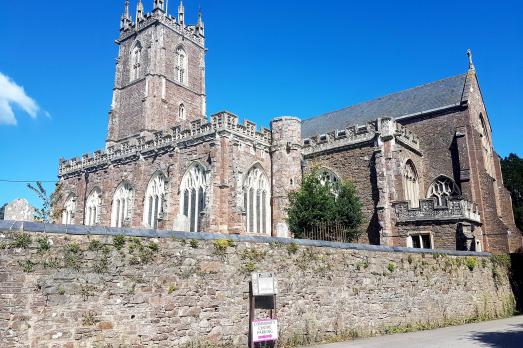
Cullompton, GB
A church has stood here since Saxon times. After the Norman Conquest of 1066 it belonged to Battle Abbey in Sussex, then the Priory of St Nicholas Exeter who were the Patrons until the Dissolution of the Monasteries in 1536. The town dates back to the Roman period, there was a fort on the hill above the town and occupation in the centre. ‘Columtune' was also mentioned in Alfred the Great's will in 872 AD.
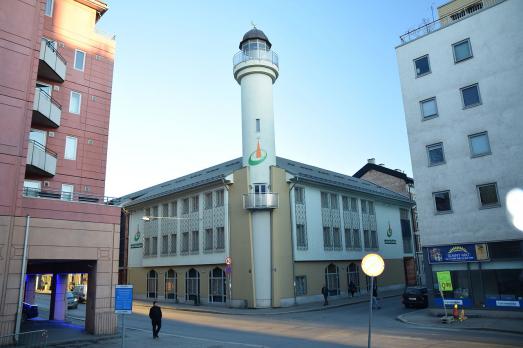
Apley, GB
The original parish church was situated to the south of the present building and went into ruins in the early 1800s. By 1816 a brick shed on the site had been converted for use as a mortuary chapel. When the graveyard was enlarged in 1871 this building was replaced by the small brick building which we see today.
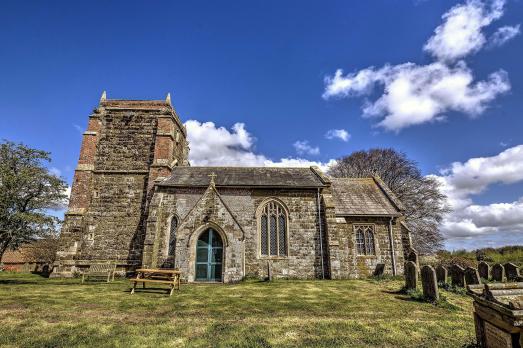
Ashby Peurorum, GB
Ashby Puerorum, Ashby 'of the boys', is so called because in the late thirteenth century the living was appropriated to provide an endowment for the boy choristers of Lincoln Cathedral. Ashby is a remote hamlet and its medieval church of St Andrew is approached across a farmyard. The churchyard affords fabulous views across the Wolds.
Heddon on the Wall, GB
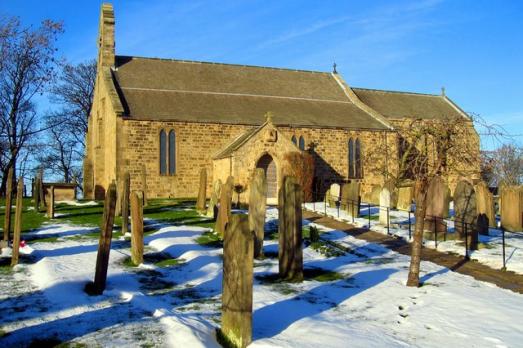
The church of St Andrew is situated in the centre of the village on a hill top opposite the Swan Inn. The church was consecrated in 630 and still retains many Saxon and later Norman elements. Nikolaus Pevsner called it 'a church of considerable archaeological fascination'. The parish church has been an important part of village life since these times and is still in use for regular worship to which all are visitors are very welcome.
Trent, GB
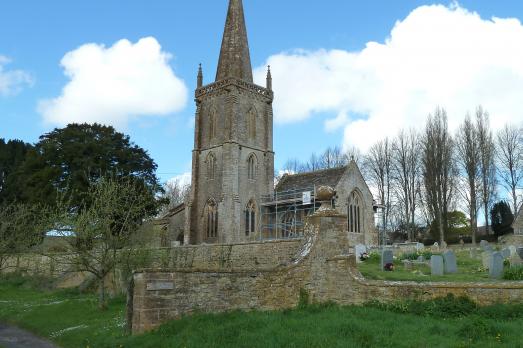
Beautifully set in a pretty, rambling, village, and with an early 16th century priests' house next door, St Andrew's is an exceptionally attractive church, and has one of only three medieval spires to be found in Dorset.
Whissendine, GB
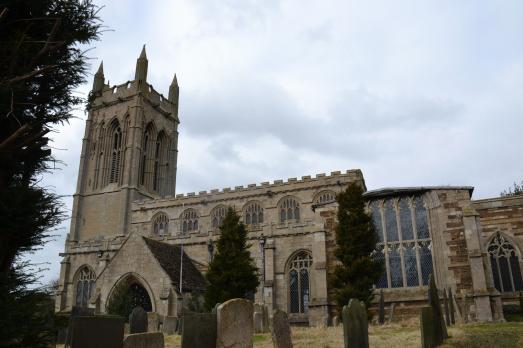
St Andrew's Church serves a village of approximately 1200 people. It is a well loved and well used building, with a very active congregation.
Greensted, GB
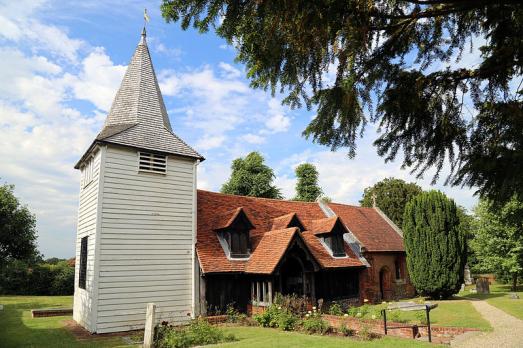
Welcome to St. Andrews church, Greensted, The oldest wooden church in the world, and the oldest ‘Stave Built' timber building in Europe. The church represents some 1300 years of English history and Christian worship.
Minting, GB
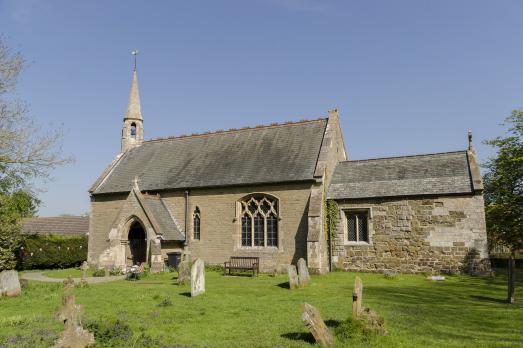
In the 1930s Arthur Mee wrote a series of guides to Britain called The King's England and whilst researching for this work he realised that there were very few communities that had not suffered military fatalities in the First World War. He coined the term ‘Thankful villages' to describe them. Minting is one such village.
Pickworth, GB
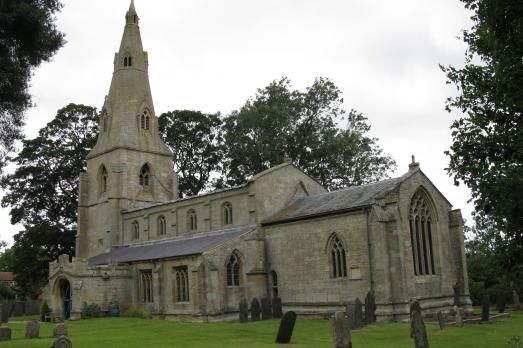
This rural church contains extensive wall paintings that were hidden from view until a bomb dropped nearby in World War II. The building also contains other treasures including a 12th century tub font, a two decker pulpit, a medieval rood screen and pews, graffiti from the 1600's and an altar rail from the 18th century. Come and see for yourself!

new
For a long time, Europe was ruled by powerful monarchies. Monarchy and religion have been connected since time immemorial. Here are 7 sites across Europe where royalty historically bent the knee to a higher power and received their crown.

Stupas are symbols of enlightenment and peace that commemorate different stages of Buddha's life. Since the mid-20th century, thousands of stupas have begun to populate Europe. We have compiled some of the most impressive ones in this list.

Walter Maria Förderer (1928–2006) was a Swiss architect and sculptor renowned for his neo-expressionist church designs in the 1960s. In this list we have compiled 6 of his church designs that seamlessly integrate religious and secular elements.

How is Religiana helping to conserve and promote Religious Heritage in Europe and why should you get involved?
Find out about Religiana
Are you a tourism organisation or religious heritage sites manager? Discover the advantages of becoming a partner.
See current partners
We can keep you up to date with the latest news from Religiana and religious heritage conservation across Europe.
Sign up to the FRH newsletter