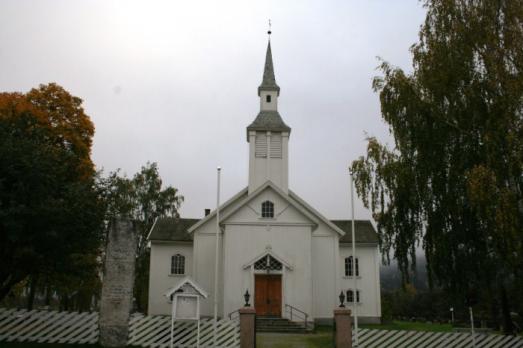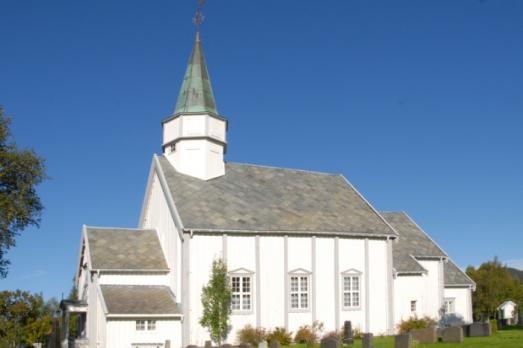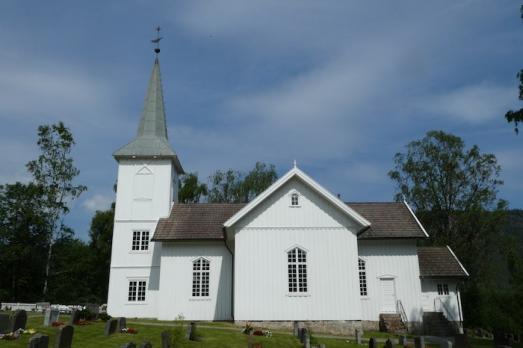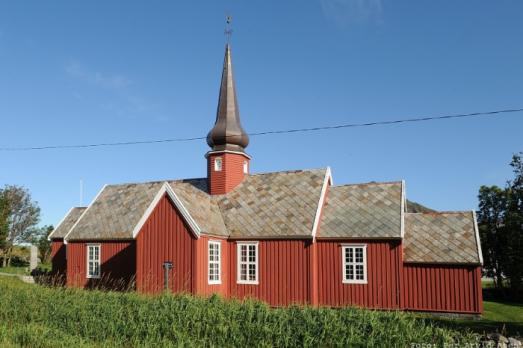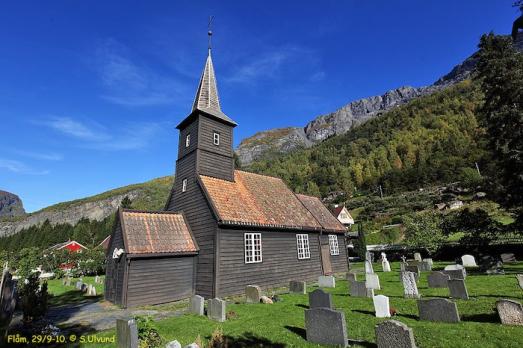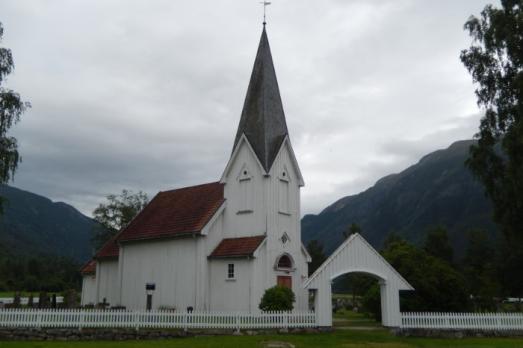
Flå Church
Flå, NO
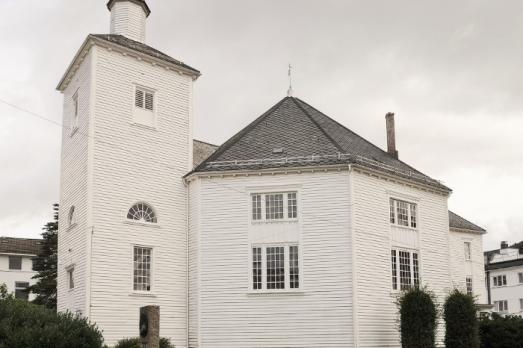
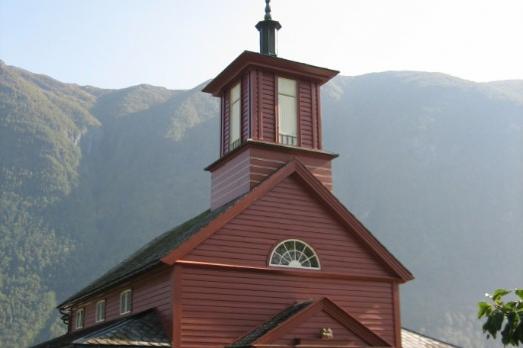
Flå church in Hallingdal is a wooden church built in 1858. The architect of the church is Christian Heinrich Grosch.
Here you can search for a building to visit. You can use the map find destinations, or you can use the filters to search for a building based upon what different criteria.
Flå, NO
Flå church in Hallingdal is a wooden church built in 1858. The architect of the church is Christian Heinrich Grosch.
Melhus, NO
Flå church is a wooden church completed in 1794 on an old church site probably dating back to the 12th century. In the 18th century, the church was sold to private individuals. As the location of the church was not very central and as the church was deteriorating, the church was bought and rebuilt in its present form. The Flå church was restored in 1968.
Nome, NO
Flåbygd Church is a cross-shaped church that was built by Gunnar Knutson Saga in 1818-22. The west tower dates from 1877. The church was restored according to Ragnar Nilsen's plans in 1953-55.
Ramberg, NO
Flakstad Church is a wooden church built in 1780, and restored in 1872 and 1938. A first church is mentioned by written sources in 1413, which was destroyed by a storm in the 18th century. The new church was built of wood from Russia, one of the chandeliers also coming from Russia.
Aurland, NO
Flåm Church is a long church dating from 1670, originally the walls were tarred on the outside, painted white in the 19th century and in 1926 painted reddish-brown or dark brown. The church is distinguished by its decorations on the walls of the nave. The walls are painted with images of animals such as deer, lions, hares and red foxes, with landscapes and images of houses.
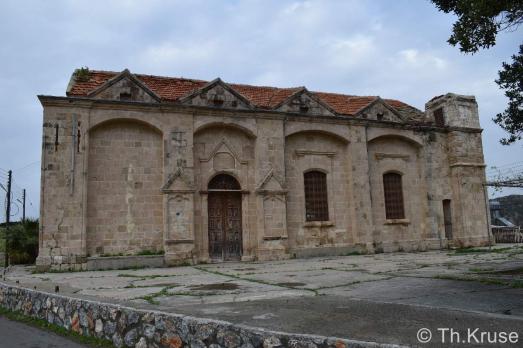
Flamoudi, CY
The church of Flamoudi is dedicated to Agios Georgios. According to Kassinis, it was built in the 19th century and restored between 1891 and 1898. It is located in the northern area of the original settlement area. After 1974, the church was converted into a mosque and used as such until around 2015/2016. At that time, a new mosque building was completed to the south of the church.
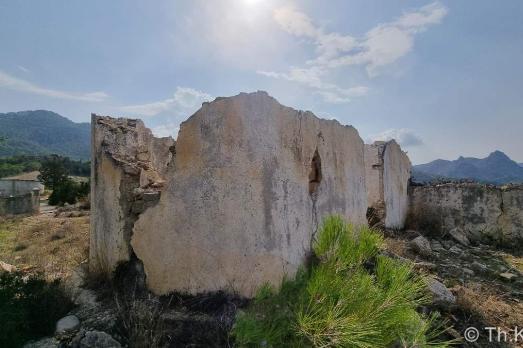
Flamoudi, CY
The cemetery chapel is located in the western part of the Greek Orthodox cemetery, which is situated on the southern edge of the village. Like the cemetery itself, the Agios Ioannis Theologos Cemetery Chapel is in ruins. While the roof is completely missing, the walls of the church are only half of their original height.
Seljord, NO
The Flatdal church was consecrated in 1654 and replaced a stave church on the site. Parts of the Stave church were reused in the church. Originally the church was a simple long church with a sliding roof, but in 1908 the church was given its present design, with a tower at the west end of the nave and a sacristy near the chancel. The interior is marked by the reconstruction of 1908.
Flekkefjord, NO
The Flekkefjord church was designed by the architect Linstow. It is built of slatted wood covered with a horizontal panel painted white, and has an octagonal plan with a choir and tower as an extension. The tower is rather low and has a slightly sloping pyramidal roof, which is topped by a small narrow octagonal tower with a dome-shaped roof. The church was consecrated in 1833, and it is situated on land where a church had existed since the Middle Ages. Previously, there was a cemetery around the church, where today there is a park.
Kristiansand, NO
Flekkerøy Church is a modernist church that was built in 2019. The architectural firms that worked on the project are Hille Melbye Architects and Einar Dahle Architects. The church hall and tower of the old building from 1960 have been preserved.
new
For a long time, Europe was ruled by powerful monarchies. Monarchy and religion have been connected since time immemorial. Here are 7 sites across Europe where royalty historically bent the knee to a higher power and received their crown.
Stupas are symbols of enlightenment and peace that commemorate different stages of Buddha's life. Since the mid-20th century, thousands of stupas have begun to populate Europe. We have compiled some of the most impressive ones in this list.
Walter Maria Förderer (1928–2006) was a Swiss architect and sculptor renowned for his neo-expressionist church designs in the 1960s. In this list we have compiled 6 of his church designs that seamlessly integrate religious and secular elements.