Church of Saint-Grégoire

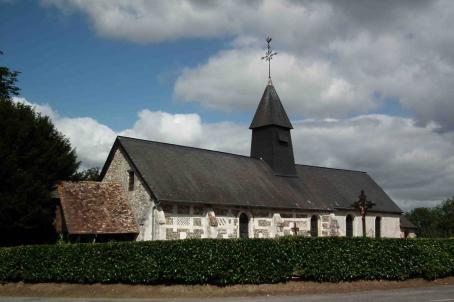
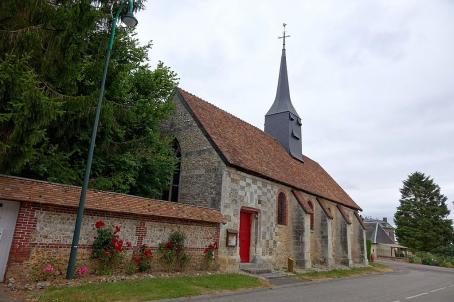
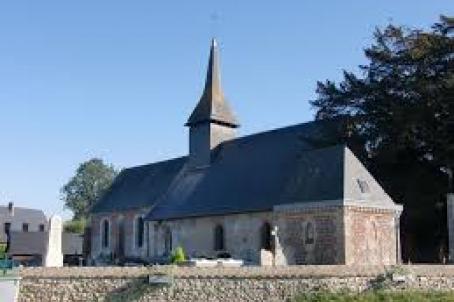
The Church of Saint Gregoire, listed as a Historic Monument, is located in Saint-Grégoire-du-Vièvre, Normandy. The church, built in the thirteenth century, was partly rebuilt after the Hundred Years War. The southern wall – rebuilt in the sixteenth century – has an alternating chessboard pattern of white stones and black-cut flint. You can see the graffiti of pilgrims representing characters and animals, as well as an amazing rebus that was probably made in the sixteenth century. The bell tower is from the 19th century.
About this building
The Church of St. Gregory, a listed historical monument, is located in Saint-Grégoire-du-Vièvre, Normandy. In the thirteenth century, at the time of the construction of the church, the fief depended on the bishops of Avranches because of their barony of Saint-Philbert-sur-Risle. The building, which was partly rebuilt after the Hundred Years War, is rectangular. The bell tower leaning against the nave is from the 19th century.
The southern wall of the Church dates from the first half of the sixteenth century, it has a chessboard pattern of white stones and black flints, cut into different shapes. The graffiti of the many pilgrims who visited, which represents characters and animals, has been left untouched, as well as an astonishing rebus on the theme of world injustice, which was probably made in the 16th century.
The nave and choir are illuminated by a series of stained glass windows (1895-1910) made by Duhamel-Marette and Muraire. Inside, there are many objects and classified pieces of furniture, including the stalls (19th century), baptismal fonts (16th century) and many statues from the 16th to the 19th century, as well as various priestly objects and processions.