Plasencia Cathedral

The complex of the cathedral of Plasencia is noted for its architectural elegance. It contains two churches, the old church, completed in the 13th century, and the new church, built in the 15th century.

The complex of the cathedral of Plasencia is noted for its architectural elegance. It contains two churches, the old church, completed in the 13th century, and the new church, built in the 15th century.
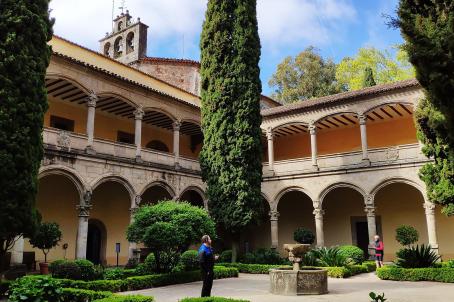
Built in the early 15th century, this monastery was founded by a group of monks who were donated a bit of land. It is famous for being the last place of residence of Emporer Charles V after he passed the crown to his son Philip II.
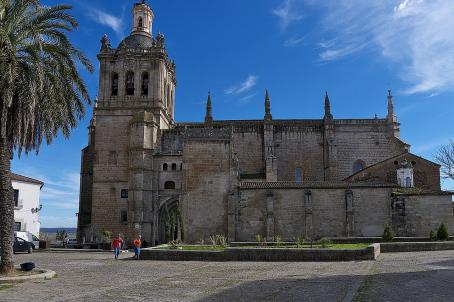
The construction of the Cathedral of Coria began in 1498 and was completed 250 years later, in 1748. The earthquake of 1 November 1755, which destroyed Lisbon, seriously damaged it. The cathedral is in Transitional Gothic style, with important Plateresque and Baroque additions. The tower bell tower designed by Manuel de Lara Churriguera (1690-1755).
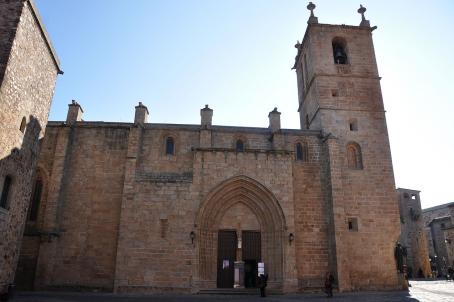
Cáceres Cathedral was built in the 15th and 16th centuries on the basis of a 13th-century Mudejar construction. The three Gothic naves, almost the same height, have barrel vaults that extend into the fine engaged columns of the pillars.

How is Religiana helping to conserve and promote Religious Heritage in Europe and why should you get involved?
Find out about Religiana
Are you a tourism organisation or religious heritage sites manager? Discover the advantages of becoming a partner.
See current partners
We can keep you up to date with the latest news from Religiana and religious heritage conservation across Europe.
Sign up to the FRH newsletter