Ræge Church
Sola, NO
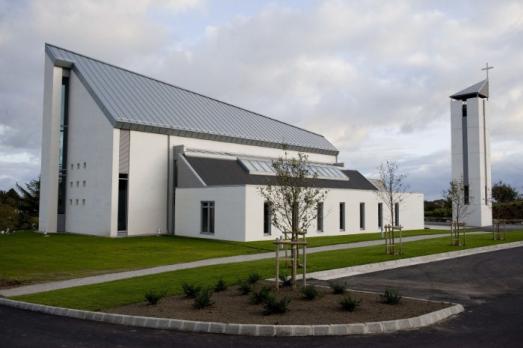
Ræge church is a brick church completed in 2009. The architect of the church is Henriette Sagland.

Here you can search for a building to visit. You can use the map find destinations, or you can use the filters to search for a building based upon what different criteria.
Sola, NO
Ræge church is a brick church completed in 2009. The architect of the church is Henriette Sagland.
Rælingen, NO
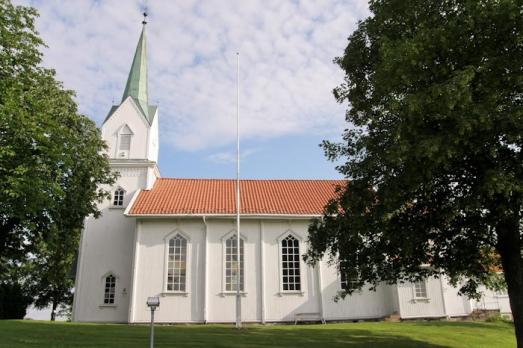
Rælingen church is a long church from 1828. The church was changed a good deal by a rebuilding in 1887, and the sacristy was extended in the 1950s. In the churchyard is a grave chapel from 1926.
Oslo, NO
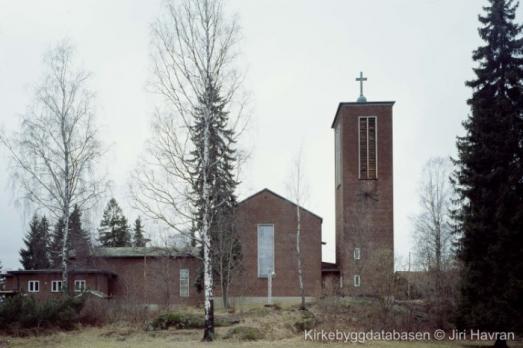
Røa Church is a long church built of reinforced concrete mixed with pumice on the inside and red brick on the outside according to the plans of municipal architect Georg Greve in 1939. It is one of the first "working churches" (A church building that includes numerous additional rooms for meetings and activities) in Norway. The interior is in functionalist style and the nave has a wall that can be opened to the parish hall.
Molde, NO
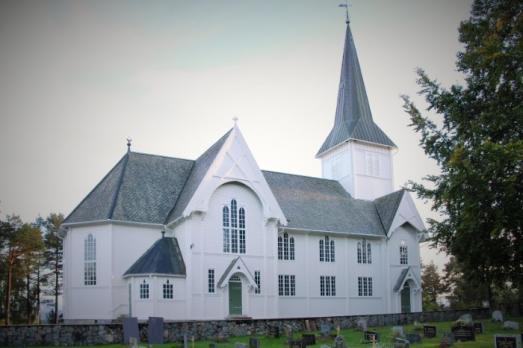
The Røbekk church was designed by engineer Gabriel Smith and the builder Erstad from Ålesund was commissioned to carry out the work. The church is a traditional wooden church, but it has the shape of a cross.
Marker, NO
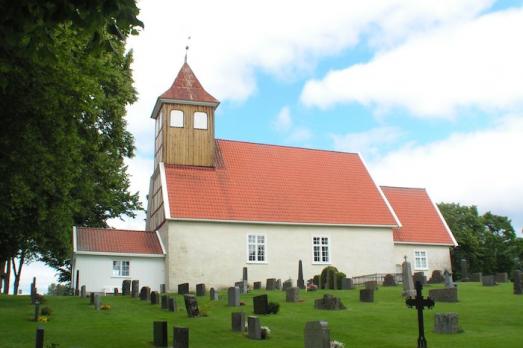
Rødenes Church is a medieval stone church from the 13th century with a rectangular nave and a lower, narrower choir. In 1703-09 the church was enlarged and given a new gabled wall. In front of the west entrance, a porch was built. The gable sections to the east have a medieval wooden construction and sheet piling, and the trusses are also medieval. In 1949-52 the church was restored under the direction of the architect Ragnar Nilsen.
Rauma, NO
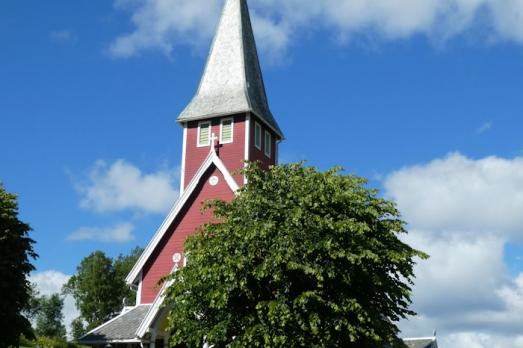
The new church in Rødven was designed by J.Z.M. Kielland in 1907 to replace the Stave church below. The new church was built in slatted planks and its exterior is panelled and painted red with white and green trim. The church was given "Dragestil" forms and aisle-shaped naves. Above the main entrance there is a tower with a simple, tall and slender capital.
Eidsbygda, NO
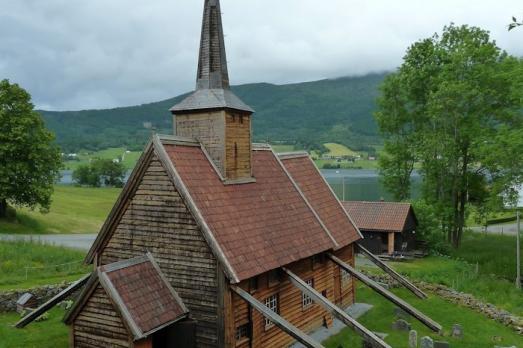
Rødven's Stave church was built around 1300, but its choir dates from the 18th century. The sacristy, porch and eaves are also later additions. Inside, the church is characterised by restorations from the 17th and 18th centuries. When the site's new church was consecrated in 1907, the Society for the Preservation of Ancient Norwegian Monuments took over the moat church.
Oslo, NO
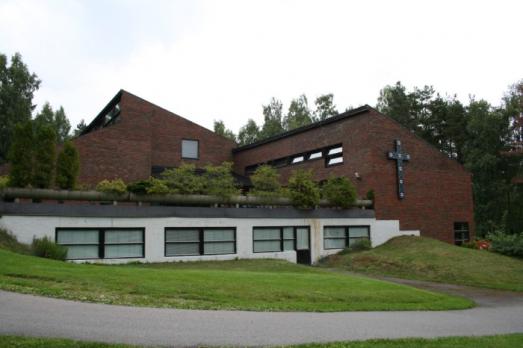
The Rødvet church was designed by the architect Erik Anker and was inaugurated in 1978. The altarpiece of the church was painted by Jens Johannessen and the stained glass windows are by Veslemøy Nystedt Stoltenberg. On the south outer wall is a large ceramic cross by Konrad Galaaen.
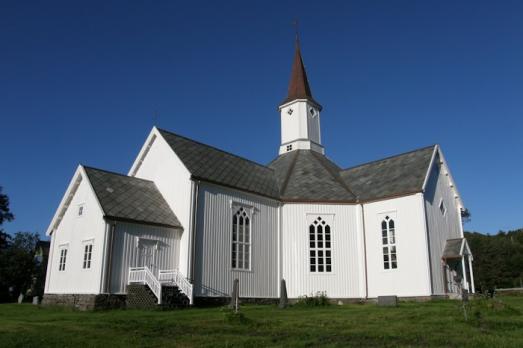
Rødøy, NO
The Rødøy church is an octagonal church from 1885, it is one of the largest in Nordland. The builder was Andreas Grendstad from Sandnessjøen. Grendstad used the drawings from the Stamnes church in Sandnessjøen (built in 1882) as a base for the church in Rødøy.
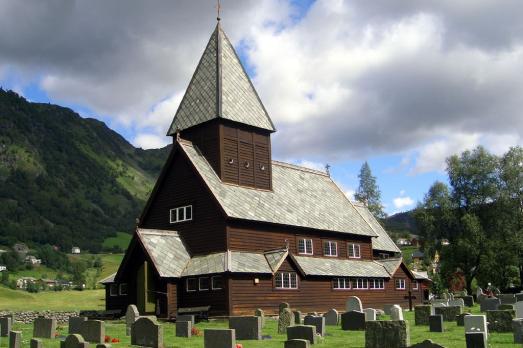
Røldal, NO
Røldal Stave Church is a 13th century church. In the 17th century, the church walls were richly decorated with paintings. During the renovation of 1844, the nave was extended to the west and expanded with a new ceiling. In 1913-1918, the church underwent a major reconstruction. The church is famous for hosting a 13th century crucifix suspended above the choir opening.

new
For a long time, Europe was ruled by powerful monarchies. Monarchy and religion have been connected since time immemorial. Here are 7 sites across Europe where royalty historically bent the knee to a higher power and received their crown.

Stupas are symbols of enlightenment and peace that commemorate different stages of Buddha's life. Since the mid-20th century, thousands of stupas have begun to populate Europe. We have compiled some of the most impressive ones in this list.

Walter Maria Förderer (1928–2006) was a Swiss architect and sculptor renowned for his neo-expressionist church designs in the 1960s. In this list we have compiled 6 of his church designs that seamlessly integrate religious and secular elements.

How is Religiana helping to conserve and promote Religious Heritage in Europe and why should you get involved?
Find out about Religiana
Are you a tourism organisation or religious heritage sites manager? Discover the advantages of becoming a partner.
See current partners
We can keep you up to date with the latest news from Religiana and religious heritage conservation across Europe.
Sign up to the FRH newsletter