Explore Religious Heritage Across Europe

Here you can search for a building to visit. You can use the map find destinations, or you can use the filters to search for a building based upon what different criteria.

Refine search

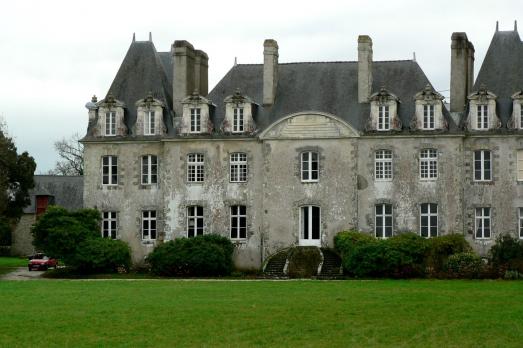
Chapel of the château de Truscat

Chapel of the château de Truscat

Sarzeau, FR

The chapel of Truscat Castle, listed in the general inventory of cultural heritage, is located in Sarzeau, Brittany. The manor, that has been mentioned in records since the 15th century, was bought, between 1507 and 1515, by the Francheville family. It was rebuilt in 1702. Only the outbuildings and the 16th century chapel remain as part of the original building. It has a single nave surmounted by a Renaissance bell tower.

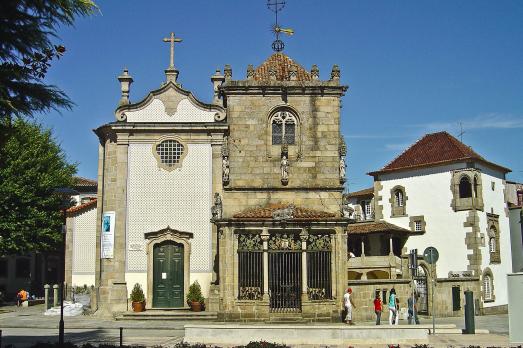
Chapel of the Coimbras

Chapel of the Coimbras

Braga, PT

The ensemble of the Chapel and the Casa dos Coimbras was part of the Palace of Coimbras, built in the 16th century as a residence for clergymen and destroyed in 1906. In 1525, John III of Portugal (1521-1557) ordered the construction of a private chapel in the palace, under the invocation of Our Lady of Conception, but it was to be known as the Chapel of Coimbras. It was designed by the masters of Biscainhos, builders of the Palácio dos Biscainhos.

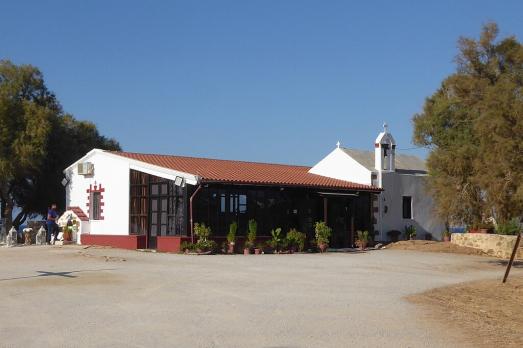
Chapel of the Holy Apostles, Chania

Chapel of the Holy Apostles, Chania

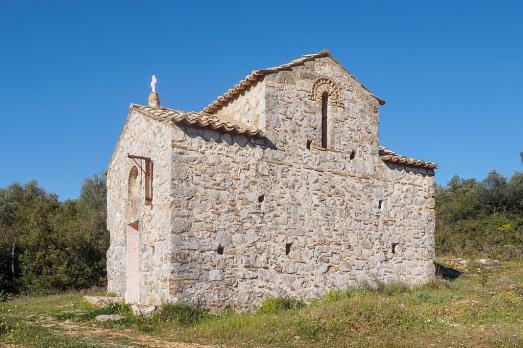
Galatas, GR

The Chapel of the Holy Apostles (Agioi Apostoloi) is a religious building located on a small peninsula near the beach of Agii Apostoli (3 km west of Chania).

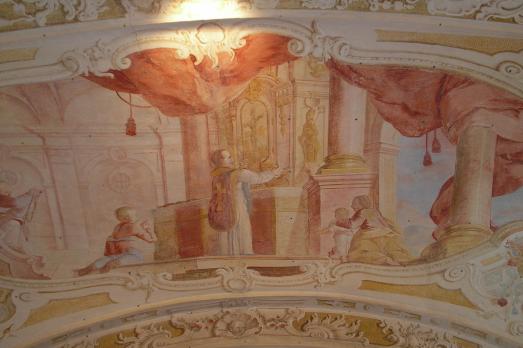
Chapel of the Holy Cross

Chapel of the Holy Cross

Ludbreg, HR

The Chapel of the Holy Cross is located in Batthyany Castle, dating from the 14th century. The chapel is also called the Chapel of Miracles because the miracle of the Holy Blood of Christ took place there in 1411. In the 18th century, a large dome painted with scenes of the Holy Trinity and the four Evangelists was erected above the chapel.

Chapel of the Holy Cross

Chapel of the Holy Cross

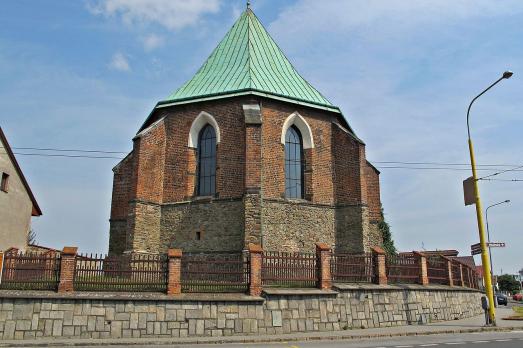
Opava, CZ

The Chapel of the Holy Cross, or Swedish Chapel, was founded by Přemek I, Duke of Opava, in 1394 as a mortuary sanctuary. The chapel is a unique example of Gothic brick architecture, it is built on an exceptionally used octagon plan. It may have been inspired by the Church of St. Charles in Prague.

Chapel of the Holy Sepulcher

Kamnik, SI

The building of the chapel of the Holy Sepulcher at the Franciscan monastery in Kamnik was finished in 1954. The design has been made by the important Slovenian architect Plečnik. The unique complex is filled with art and symbolism. The chapel was meant to function as a oratory and for honoring the Holy Sepulcher.

Chapel of the Holy Spirit, Gorizia

Chapel of the Holy Spirit, Gorizia

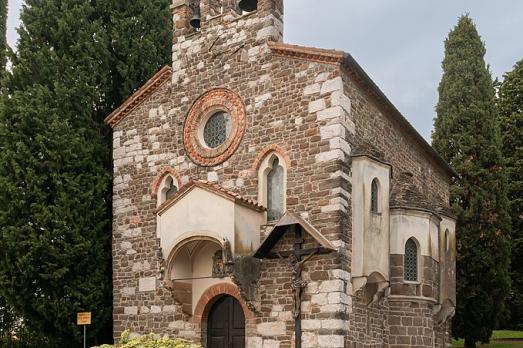
Gorizia, IT

The Chapel of the Holy Spirit is Gorizia's oldest church, located in the old castle. Despite the castle being damaged during the First and Second World Wars, the chapel survived without serious damage. During the Second World War, the chapel was used to store amunition. It was restored in 1931 and reopened for worship in 1946.

Chapel of the Holy Spirit

Chapel of the Holy Spirit

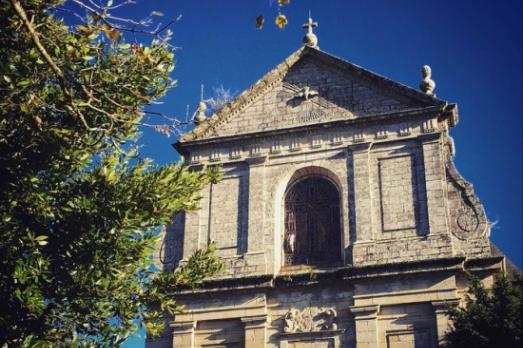
Quimper, FR

The construction of the chapel adjoining the college began in 1666, according to the plans of the Jesuit architect Charles Turmel. The model proposed is that of the Jesuit novitiate in Paris, built according to the plans of Father Martellange in 1630, but the construction, which was to take four years, was not completed until 1748. The Jesuit style is characterized by a sobriety of lines and the splendour of the decoration. The architects, who were inspired by the "Roman Baroque", often kept the triangular pediment, decorating it sometimes with volutes and sometimes with columns.

Chapel of the Little Saint-Céneri

Chapel of the Little Saint-Céneri

Saint-Céneri-le-Gérei, FR

The chapel was built towards the end of the 14th century or at the very beginning of the 15th on the site where Saint Céneri is said to have built his shelter. In Gothic style, it blends perfectly into the landscape.

Be inspired

Stupkalnis.lt

10 Buddhist stupas to discover in Europe

Stupas are symbols of enlightenment and peace that commemorate different stages of Buddha's life. Since the mid-20th century, thousands of stupas have begun to populate Europe. We have compiled some of the most impressive ones in this list.