Explore Religious Heritage Across Europe

Here you can search for a building to visit. You can use the map find destinations, or you can use the filters to search for a building based upon what different criteria.

Refine search

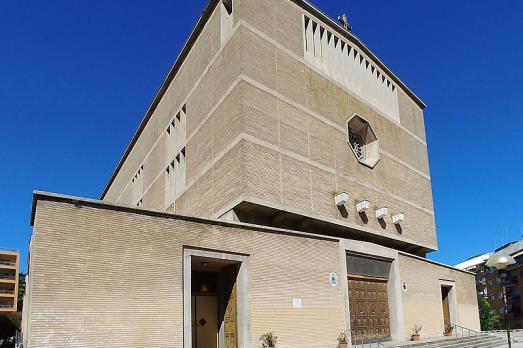
Chiesa di San Pio X

Chiesa di San Pio X

Roma, IT

The Church of Saint Pius X was designed by Alberto Ressa and was built from 1956 to 1961. In 1963 the final sequences of the science fiction horror film The Last Man on Earth, directed by Ubaldo Ragona or Sidney Salkow (1964), were filmed inside and outside the church.

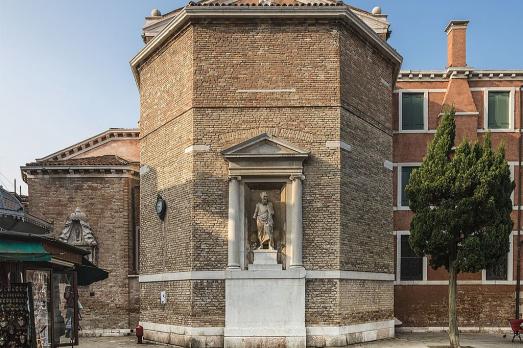
Chiesa di San Polo

Chiesa di San Polo

Venezia, IT

The church of San Paolo apostolo vulgo San Polo was probably built in 837, by order of Doge Pietro Tradonico (838 - 864). It underwent a first renovation between the 14th and 15th centuries and the Gothic elements date from this period, in particular the pointed-arch side portal, the nave's ogives and the rose windows on the façade. Towards the end of the 16th century, the building underwent further renovations and, at about the same time, the entrance portico was closed and transformed into the Oratory of the Crucifix, thus concealing the façade. From 1804 until its re-consecration in 1839, the church underwent major interventions designed by David Rossi in the neoclassical style.

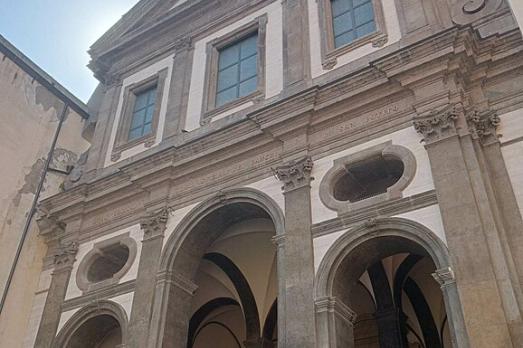
Chiesa di San Procolo

Chiesa di San Procolo

Bologna, IT

The church of St. Procolo dates back to the 11th century when it was rebuilt by the Benedictine monks of Cassino. The Gothic cross vaults were built later, between 1383 and 1407, by order of Abbot Giovanni di Michele. Between 1535 and 1557, the architect Antonio Morandi, known as Terribilia, built the fifth bay of the church, the choir and the bell tower. In 1744, the architect Carlo Francesco Dotti directed the internal transformation, which was redone after 1826, after the church had been closed to worship for almost thirty years due to Napoleonic suppressions.

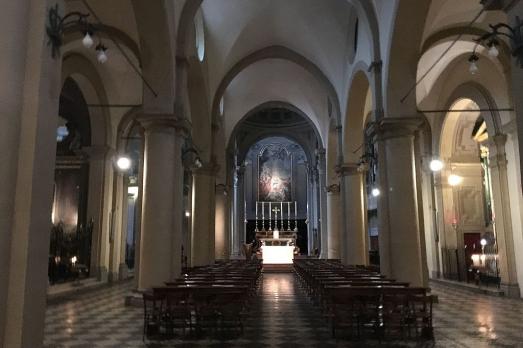
Chiesa di San Raffaele

Chiesa di San Raffaele

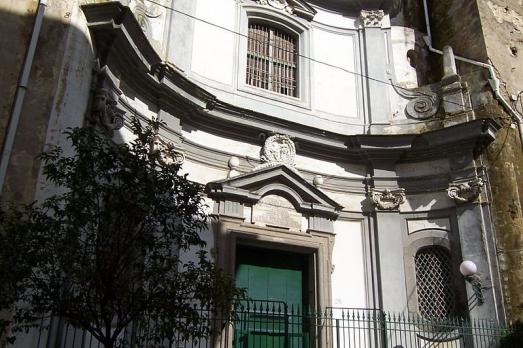
Napoli, IT

The church of San Raffaele was founded in 1759 by the canons Marco Celentano and Michele Lignola, based on a project by Giuseppe Astarita. The curved façade, set back from the road, is divided into two superimposed orders linked by volutes and crowned by a triangular tympanum. The interior, in the form of a Greek cross, is extended longitudinally by the entrance hall and the apse.

Chiesa di San Roberto Bellarmino

Chiesa di San Roberto Bellarmino

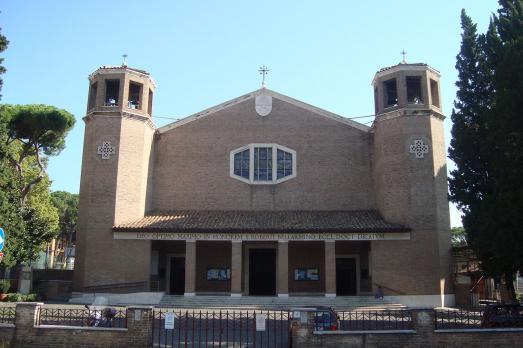
Roma, IT

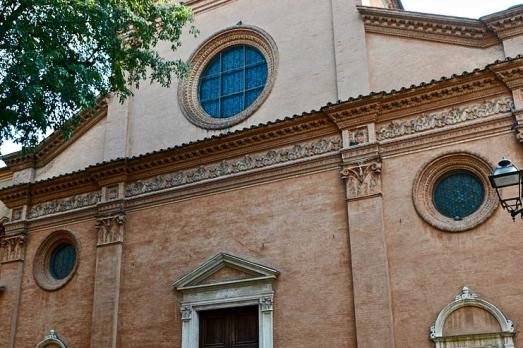
The church of San Roberto Bellarmino was built between 1931 and 1933 according to the plans of the architect Clemente Busiri Vici. The church is built in the neo-Romanesque style with a brick façade and a simple portico supported by four pilasters and framed by two low octagonal bell towers. The interior has a single nave with a transept and an octagonal dome.

Chiesa di San Rocco, Gorizia

Chiesa di San Rocco, Gorizia

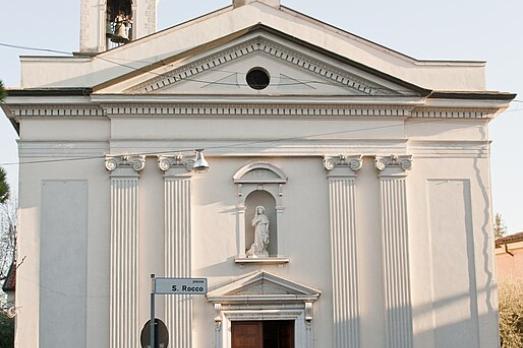
Gorizia , IT

The original church was built in 1497. It was rebuilt between 1624 and 1637. the current neoclassical facade, designed by Giovanni Brisco, was built in 1898, when it gained the status of parish church. The First World War caused part of the roof to collapse. The church was restored in the 1920s.

Chiesa di San Rocco

Chiesa di San Rocco

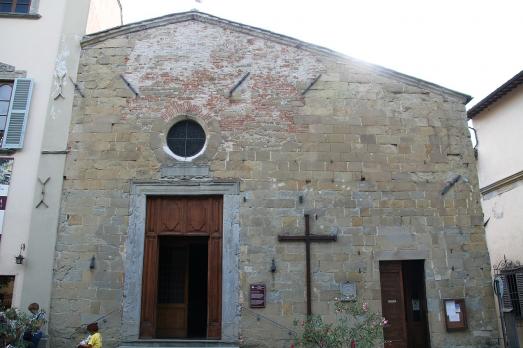
Sansepolcro, IT

The church of San Rocco was built by the Compagnia del Crocifisso in 1554. The simple 16th-century portal leads to the interior with a single nave and 18th-century stuccoed side altars. The 17th-century carved wooden high altar houses a remarkable 13th-century wooden sculpture of Christ placed on the Cross. The church is connected by a staircase to the Oratory of the Compagnia del Crocifisso below, with frescoes painted by the brothers Alessandro, Cherubino and Giovanni Alberti between 1587 and 1588 and an interesting copy of the Holy Sepulchre of Jerusalem, made in sandstone in 1629.

Chiesa di San Rocco

Chiesa di San Rocco

30125, IT

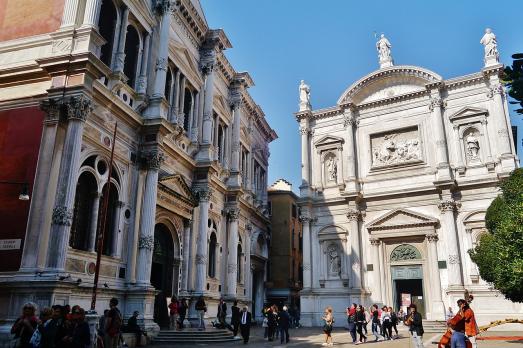
The church of San Rocco was built between 1489 and 1494, although the dome was not completed until 1507. Between 1726 and 1732, the church was radically renovated according to a project by Giovanni Scalfarotto, who replaced the flat ceiling with a vault interrupted by large windows, keeping only the old apses and the dome. Work on the façade began in 1756, following a competition won by Giorgio Fossati. Between 1765 and 1769, ignoring what had already been built by Fossati, the current façade was erected by Bernardino Maccaruzzi, who had won a second competition by proposing a two-storey solution that also recalled the finish of the façade of the nearby Scuola Grande, but overloaded it with sculptures. From the original façade, the old portal and the rose window, which open the side entrance, can still be seen.

Chiesa di San Rufo

Chiesa di San Rufo

Rieti, IT

The church of San Rufo dates back to the early Middle Ages, but its current Baroque appearance is due to a reconstruction in 1748 by the Roman architect Melchiorre Passalacqua. After its consecration in 1760, the church was entrusted to the Camillian Fathers. The church houses an important painting of the Caravaggio school (The Guardian Angel).

Be inspired

Stupkalnis.lt

10 Buddhist stupas to discover in Europe

Stupas are symbols of enlightenment and peace that commemorate different stages of Buddha's life. Since the mid-20th century, thousands of stupas have begun to populate Europe. We have compiled some of the most impressive ones in this list.