Hedvig Eleonora Church
Stockholm, SE
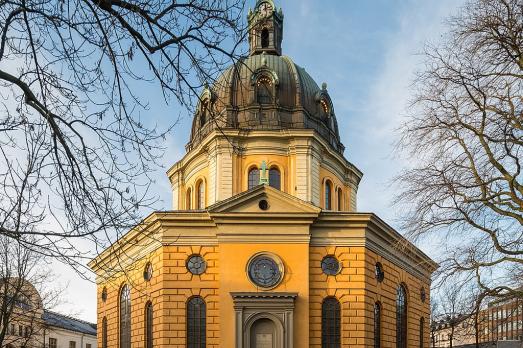
The Hedvig Eleonora church, recognisable by its octagonal shape, was built between 1669 and 1737. The imposing dome, in a style different from the rest of the building, was built later in 1866-1868.
Here you can search for a building to visit. You can use the map find destinations, or you can use the filters to search for a building based upon what different criteria.
Stockholm, SE
The Hedvig Eleonora church, recognisable by its octagonal shape, was built between 1669 and 1737. The imposing dome, in a style different from the rest of the building, was built later in 1866-1868.
Vang, NO
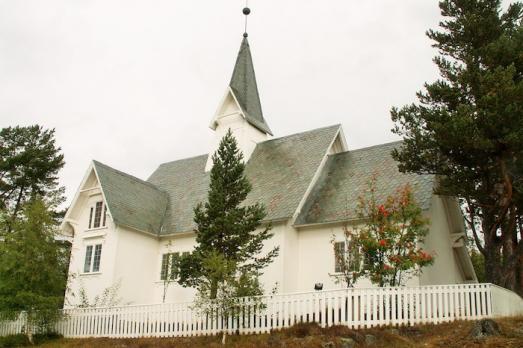
Heensåsen Church is a wooden church that was built in 1902. The church has a long plan and was designed by the architect Johan J. Meyer. The altarpiece itself was made by Thorstein Verpilen and the crucifix on top of the altarpiece was made by the rural artist Endre O Lien. The pulpit was made by the builder's brother Erik Eriksen.
Hegebeintum, NL
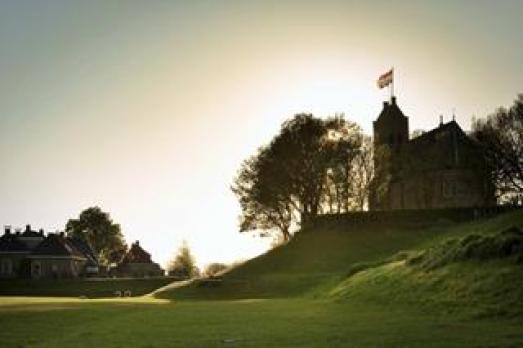
The church is on the highest mound of Frysin. It is a unique church, in a special location. The interior is especially beautiful, thanks to the many mourning boards. At the foot of the church is the Hegebeintum visitor center.
Budapest, HU
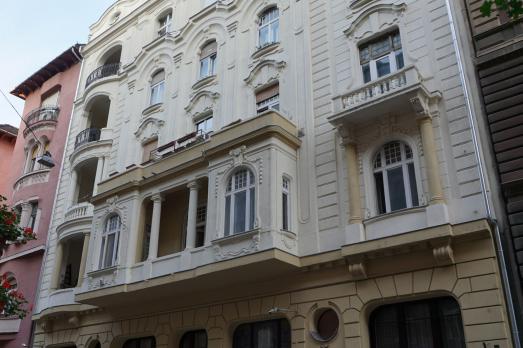
The Hegedűs Gyula St. Synagogue in Budapest was completed in 1927 by architect Lippòt Baumhorn. It was destined as a place of worship for a Status quo ante community. This brick building still serves as a synagogue.
Øystre Slidre, NO
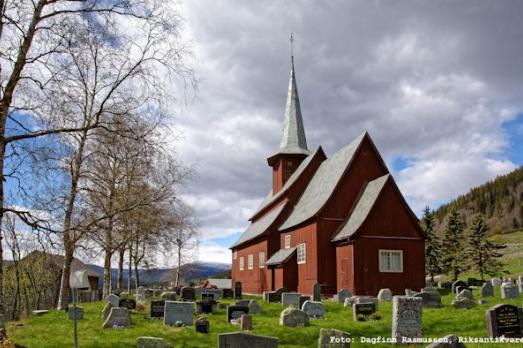
The Hegge stave church was built in the first half of the 13th century and is one of the stave churches that are still in use as a parish church. The church has undergone great changes since its construction. The church is characterized by the restoration in 1924-25, which was planned by the architect Arnstein Arneberg. The interior, which was restored in the 1920s, has lost all its medieval features.
Asker, NO
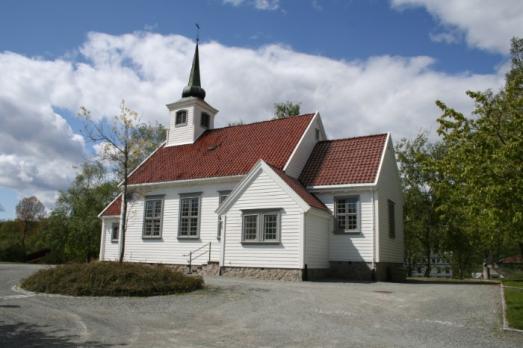
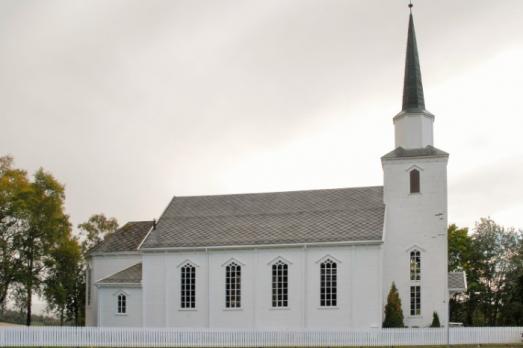
The Heggedal church is a long church dating from 1931. Formerly a chapel designed by Fritz Holland, the church is close to its original appearance, except that it was painted white in 1950.
Modum, NO
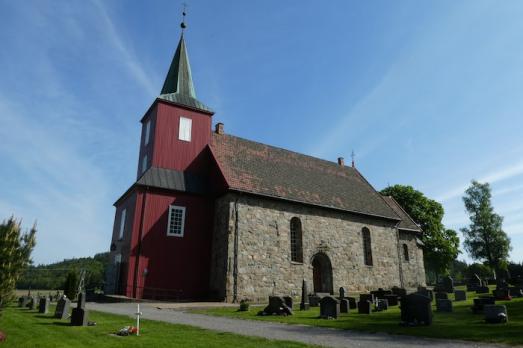
The church of Heggen is a cruciform stone church dating from the Middle Ages. It consists of a rectangular nave and a narrower and shorter choir with an apse to the east. The nave was extended with the cross-aisle to the north in 1697, and correspondingly with the cross-aisle to the south in 1725. In 1832 a new, larger choir was built and in 1878 the nave was extended westwards. The semicircular arch of the choir opening is the only original opening of the church that has been preserved.
Stad, NO
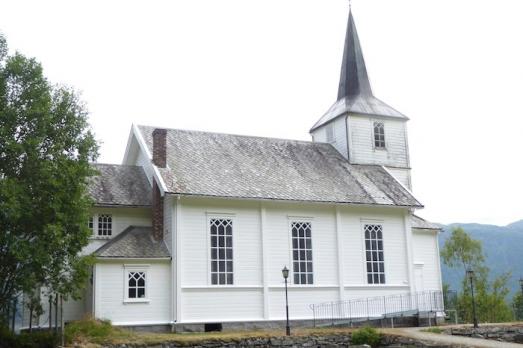
Heggjabygda Church is a long wooden church built in 1936. The architect of the building was Anders Karlsen from Eid. The furniture dates from the year of construction or a later year, and the church has changed little since it was new.
Inderøy, NO
Heggstad Church is a long church built in 1887 to replace the Hustad Church of about 1150. Inside, the altarpiece made by Karl Uchermann in 1905 is a copy of the altarpiece in the Sofia Albertina Church in Landskrona in Skåne, Sweden, painted in 1885 by the Danish painter Carl Bloch (1834-1890).
Bjugn, NO
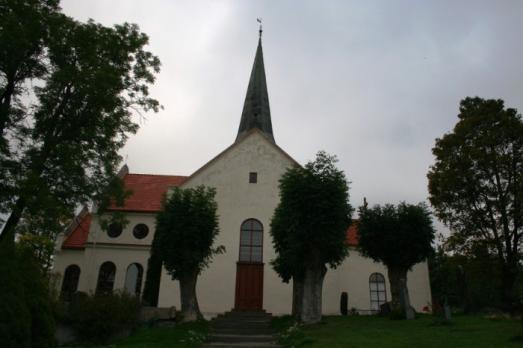
Heggvik Church, also called Stjørna Church, is a stone church built in a long church style in 1858. The construction was based upon designs by architect Christian Heinrich Grosch (1801–1865).
new
For a long time, Europe was ruled by powerful monarchies. Monarchy and religion have been connected since time immemorial. Here are 7 sites across Europe where royalty historically bent the knee to a higher power and received their crown.
Stupas are symbols of enlightenment and peace that commemorate different stages of Buddha's life. Since the mid-20th century, thousands of stupas have begun to populate Europe. We have compiled some of the most impressive ones in this list.
Walter Maria Förderer (1928–2006) was a Swiss architect and sculptor renowned for his neo-expressionist church designs in the 1960s. In this list we have compiled 6 of his church designs that seamlessly integrate religious and secular elements.