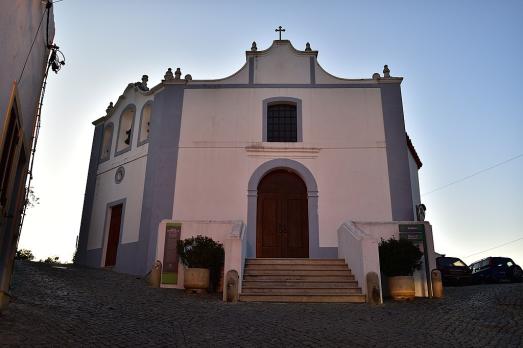
Igreja da Misericordia, Aljezur
Aljezur, PT
The Igreja da Misericordia (Church of Mercy) is a 16th-century church rebuilt after the 1755 earthquake.

Here you can search for a building to visit. You can use the map find destinations, or you can use the filters to search for a building based upon what different criteria.
Aljezur, PT
The Igreja da Misericordia (Church of Mercy) is a 16th-century church rebuilt after the 1755 earthquake.
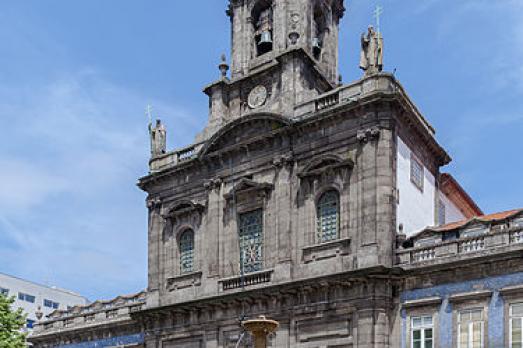
Porto, PT
The Trinity Church is concomitant with the building of the Porto City Hall. It was built during the first half of the 19th century and opened in 1841.
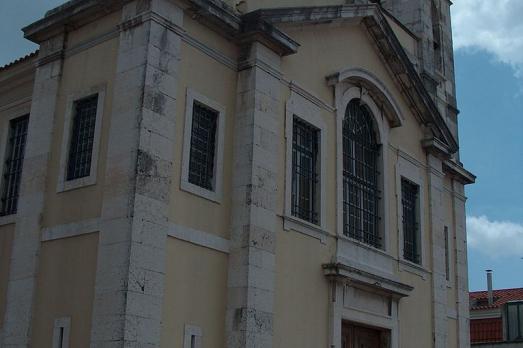
Lisbon, PT
The Igreja das Chagas is a church founded in the 16th century and rebuilt in the 18th century, after the Lisbon Earthquake of 1755.
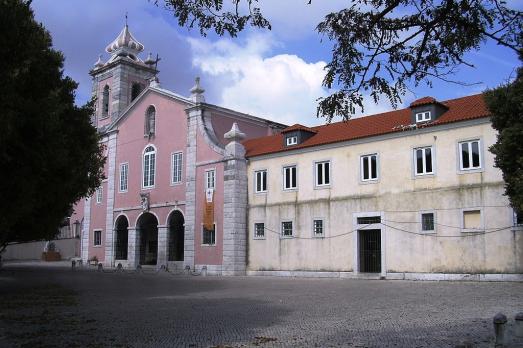
Lisboa, PT
The Church of Nossa Senhora da Porciúncula is a historic temple that belonged to the Order of the Barbadinhos Italianos, who had their monastery next to it. The terrace in front of the church is nowadays a great viewpoint of River Tagus.
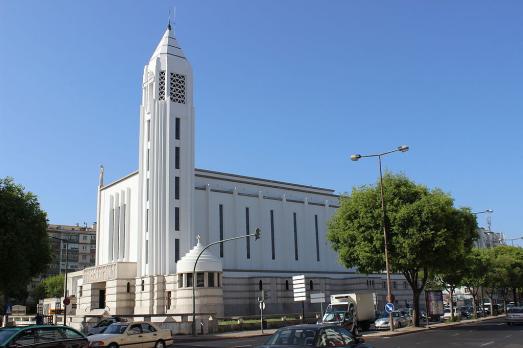
Lisbon, PT
The Church of Our Lady of the Rosary of Fatima was the first modernist church built in Lisbon, designed by architect Porfírio Pardal Monteiro. It was also the first church built after the proclamation of the Republic in Portugal in 1910.
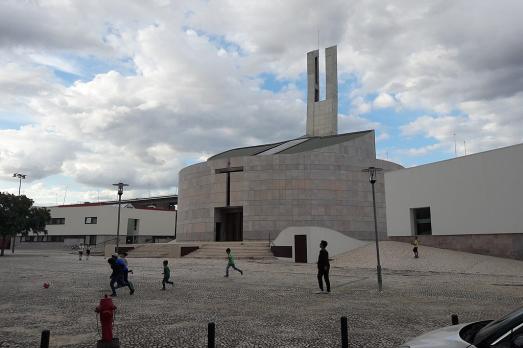
Lisbon, PT
The Church of Our Lady of the Sailors is a Catholic temple of contemporary architecture designed by the architect José Maria Dias Coelho. The church was built in 2013, materialising an idea that had emerged after the 1998 Lisbon International Exposition.
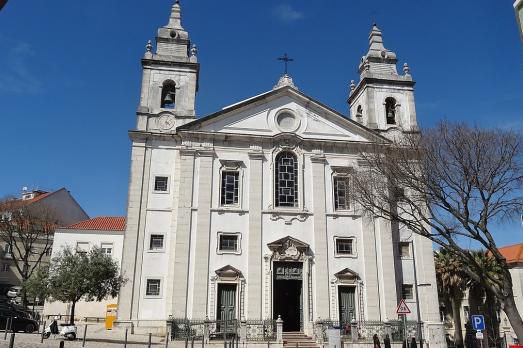
Lisbon, PT
The Saint Elizabeth's Church or Igreja de Santa Isabel is a Catholic parish in Western Lisbon.
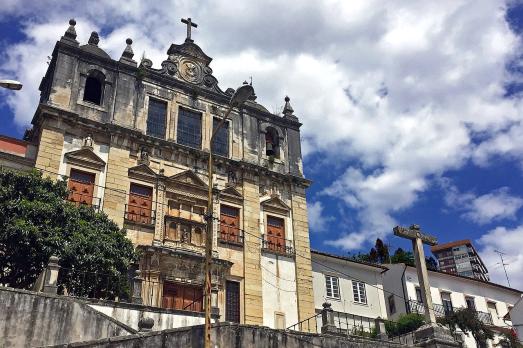
Coimbra, PT
The Igreja de Santa Justa is an 18th-century church in Coimbra.
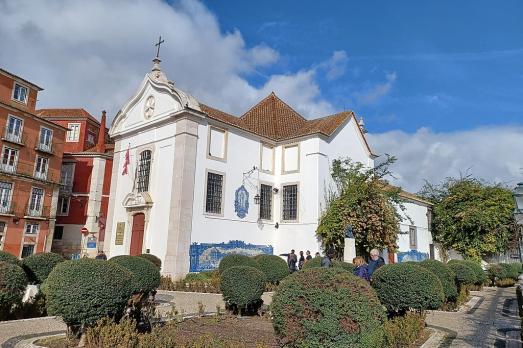
Lisboa, PT
The Igreja de Santa Luzia or Church of Santa Luzia was built during the reign of Afonso I of Portugal, the first king of the country. The church is located next to the Santa Luzia viewpoint to which it gives its name.
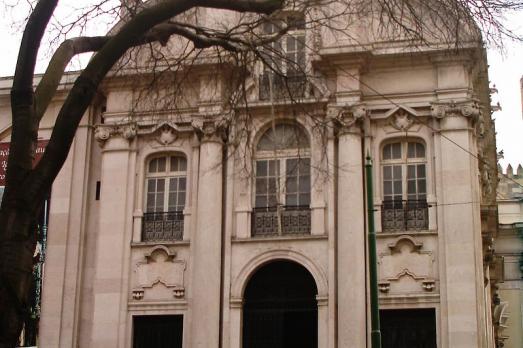
Lisbon, PT
Santo António is a Rococo church from the 18th century, it is classified as national monument.

new
For a long time, Europe was ruled by powerful monarchies. Monarchy and religion have been connected since time immemorial. Here are 7 sites across Europe where royalty historically bent the knee to a higher power and received their crown.

Stupas are symbols of enlightenment and peace that commemorate different stages of Buddha's life. Since the mid-20th century, thousands of stupas have begun to populate Europe. We have compiled some of the most impressive ones in this list.

Walter Maria Förderer (1928–2006) was a Swiss architect and sculptor renowned for his neo-expressionist church designs in the 1960s. In this list we have compiled 6 of his church designs that seamlessly integrate religious and secular elements.

How is Religiana helping to conserve and promote Religious Heritage in Europe and why should you get involved?
Find out about Religiana
Are you a tourism organisation or religious heritage sites manager? Discover the advantages of becoming a partner.
See current partners
We can keep you up to date with the latest news from Religiana and religious heritage conservation across Europe.
Sign up to the FRH newsletter