Molukse Kerk
Culemborg, NL
Modern church without tower.

Here you can search for a building to visit. You can use the map find destinations, or you can use the filters to search for a building based upon what different criteria.
Culemborg, NL
Modern church without tower.
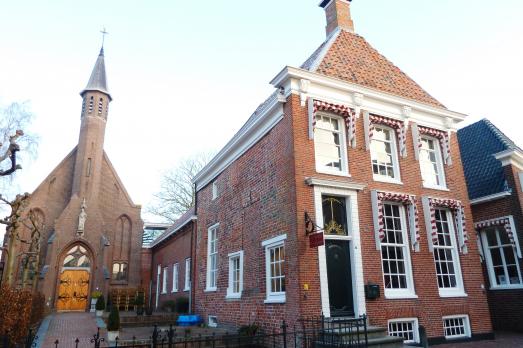
Appingedam, NL
Near the first residential area in Appingedam, specially designed for Moluccans, a new church was built in 1960. This Moluccan church has remained virtually unchanged since its construction.
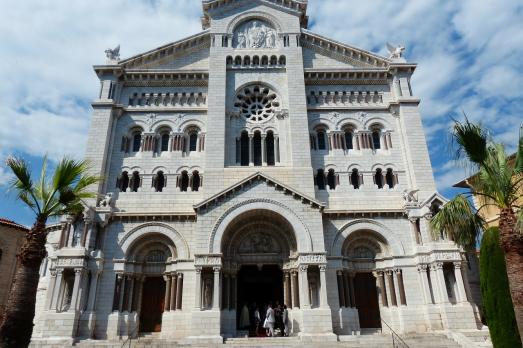
Monaco, MC
The Cathedral of Our Immaculate Lady of Monaco is a Romano-Byzantine building erected from 1875 to 1903. It is the burial place of the royal family of Monaco.
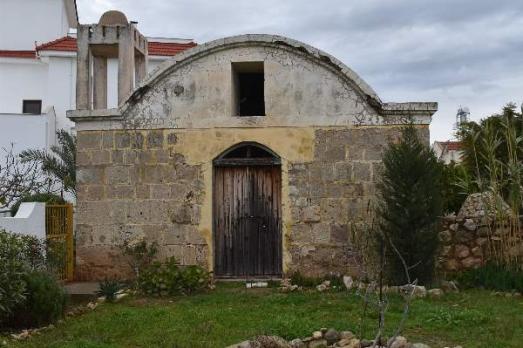
Monarga, CY
The small Agia Paraskevi church is located in the centre of the original settlement core. The date of construction of the church is not known.
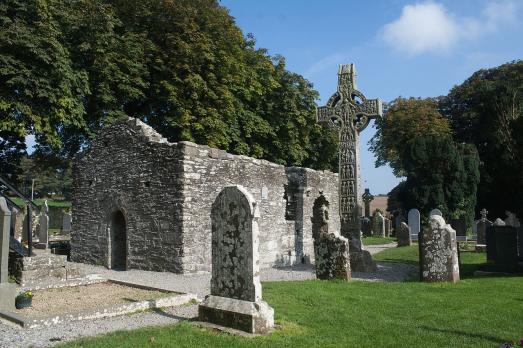
Monasterboice, IE
Monasterboice (which means "Buithe Monastery") is the remains of a monastic settlement established in the 5th century by St. Buithe. Little is known about the monastery, except that it fell into ruin after the establishment of the nearby Cistercian abbey of Mellifont in 1142. The site includes the remains of two churches built in the 14th century or later and an old round tower, but it is especially famous for its high crosses. The three high crosses date from the 10th century and show biblical scenes.
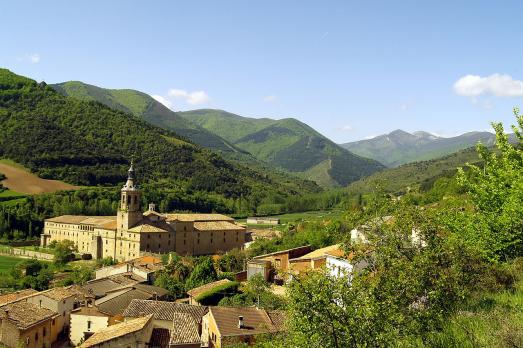
San Millán de la Cogolla, ES
The Monasteries of San Millán de la Cogolla are a complex of two monasteries founded in the 6th (San Millán de Suso) and 11th centuries (San Millán de Yuso). The monasteries have changed owners many times (Visigoths, Spaniards, Muslims) and now bear their marks such as the Mozarabic arches inside the Suso building. Both buildings have been listed as UNESCO World Heritage Sites since 1997.
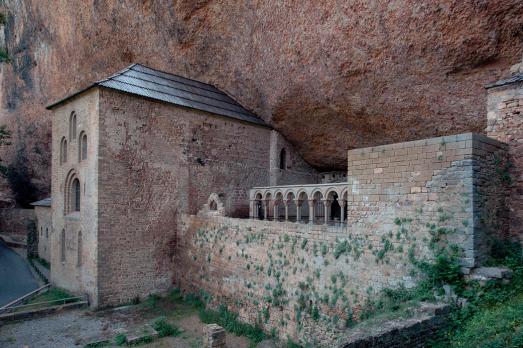
Jaca, ES
The monastery of San Juan de la Peña has its origin in an early medieval hermitage where the body of the anchorite Juan de Atarés was found. Of the old monastery, the ground floor contains the Council chamber and the primitive pre-Romanesque church, which preserves remains of mural decoration with scenes from the lives of Saints Cosmas and Damian. A little higher up is the new monastery, a grandiose building, now restored and refurbished. Part of it is used as a hotel.
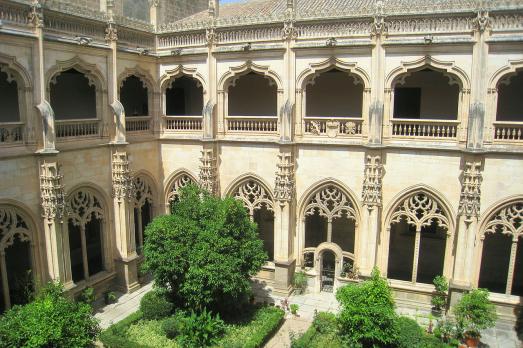
Toledo, ES
The convent of San Juan de los Reyes is a monastery belonging to the Franciscan order. It was built under the patronage of Queen Isabella I of Castile, from 1477 to 1526, with the aim of transforming it into a royal mausoleum. This is one of the most valuable examples of Isabelline Gothic style.
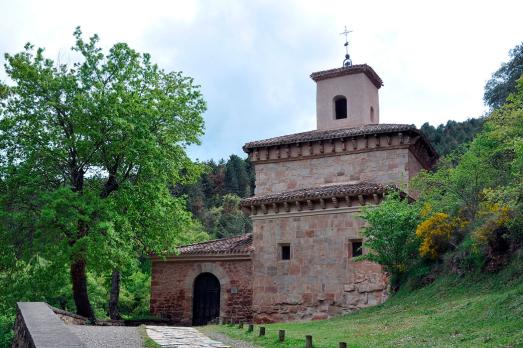
San Millán de la Cogolla, ES
The ancient monastery of San Millán has its origins in Suso, in the cave where the anchorite San Millán retired and died in 574.
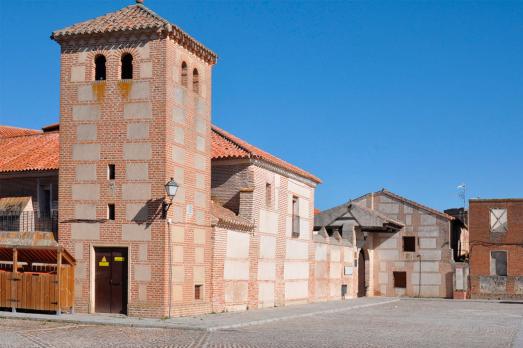
Madrigal de las Altas Torres, ES
The present-day monastery of Nuestra Señora de Gracia is the result of the work carried out on the former residence, which includes the old palace with the later building attached, built around a large cloister (15th c.) containing the monastic quarters, which still preserve a notable collection of furnishings.

new
For a long time, Europe was ruled by powerful monarchies. Monarchy and religion have been connected since time immemorial. Here are 7 sites across Europe where royalty historically bent the knee to a higher power and received their crown.

Stupas are symbols of enlightenment and peace that commemorate different stages of Buddha's life. Since the mid-20th century, thousands of stupas have begun to populate Europe. We have compiled some of the most impressive ones in this list.

Walter Maria Förderer (1928–2006) was a Swiss architect and sculptor renowned for his neo-expressionist church designs in the 1960s. In this list we have compiled 6 of his church designs that seamlessly integrate religious and secular elements.

How is Religiana helping to conserve and promote Religious Heritage in Europe and why should you get involved?
Find out about Religiana
Are you a tourism organisation or religious heritage sites manager? Discover the advantages of becoming a partner.
See current partners
We can keep you up to date with the latest news from Religiana and religious heritage conservation across Europe.
Sign up to the FRH newsletter