Nesland kyrkje
Vinje, NO
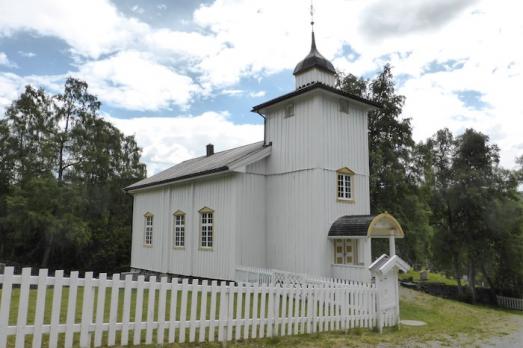
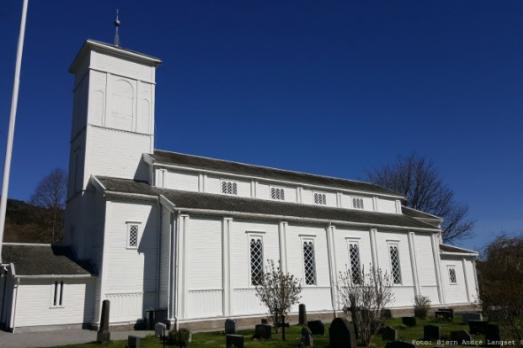
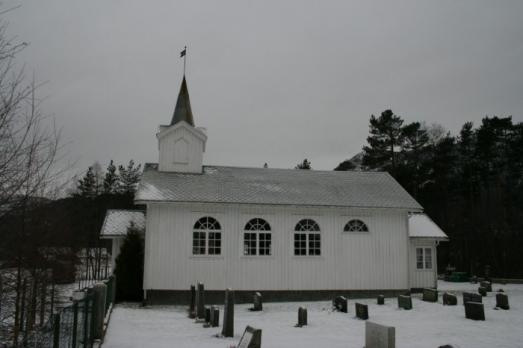
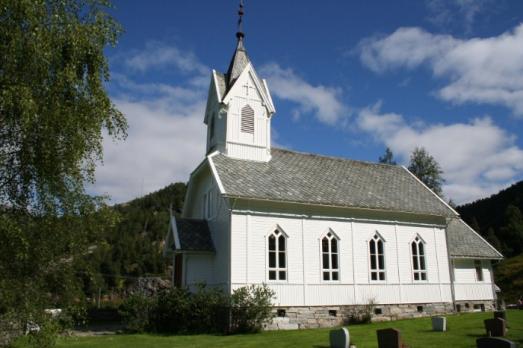
The church in Nesland is a long church from 1847. It was built of wood in the Empire style. It was built on a site where churches have been built since the 13th century.
Here you can search for a building to visit. You can use the map find destinations, or you can use the filters to search for a building based upon what different criteria.
Vinje, NO
The church in Nesland is a long church from 1847. It was built of wood in the Empire style. It was built on a site where churches have been built since the 13th century.
Nesna, NO
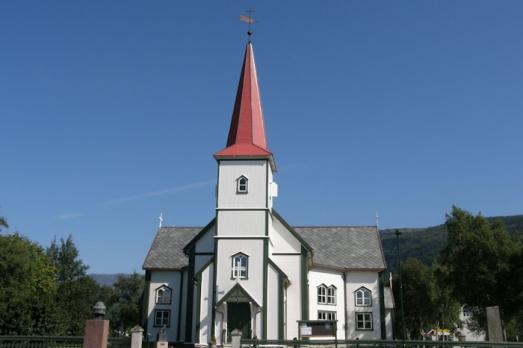
The Nesna church dates back to 1880. It was built in wood in the neo-gothic style. The building was completed in 1879 but was inaugurated only on September 17, 1880. The previous church on the site was built in 1767, it was slightly smaller than the present church building. The materials of the 1767 church were in such good condition that they were used for a new primary school and chapel in Bardal.
Nesodden, NO
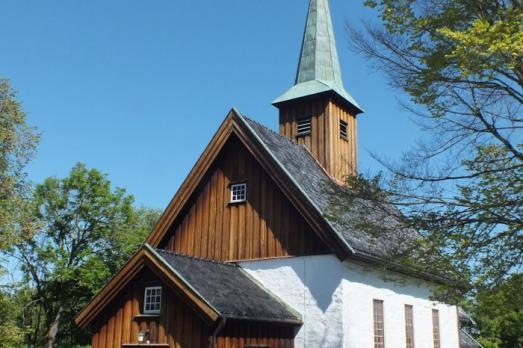
The Nesodden church is a medieval stone church with a rectangular nave and narrower choir. In the 1870s, wooden porches and sacristies were built, and as part of the restoration in 1956, these were restored. The baroque portal altarpiece has wings with richly carved acanthus leaves and was probably made by Johan Jørgen Schram in 1715.
Nesseby, NO
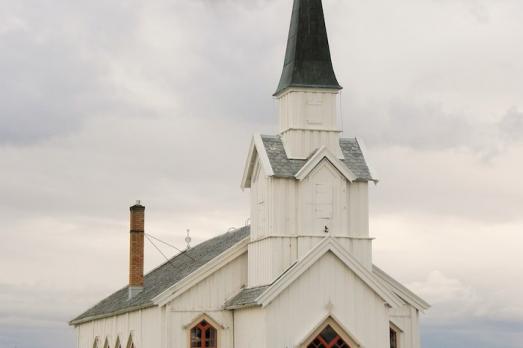
Nesseby Church is a long church from 1858, designed by the architect Christian H. Grosch. It is the second church on the site, the first being the former Kiberg church which was moved to Nesseby in 1746. This church was demolished when the present church was built. The church was not affected by the fire in Finnmark and North-Troms during the Second World War.
Eidsvåg i Romsdal, NO
The Nesset church dates from 1878 and was built as a wooden long church. The architect of the church is J.H.Nissen. The cemetery is called Eidsvåg Cemetery.
Mostar, BA
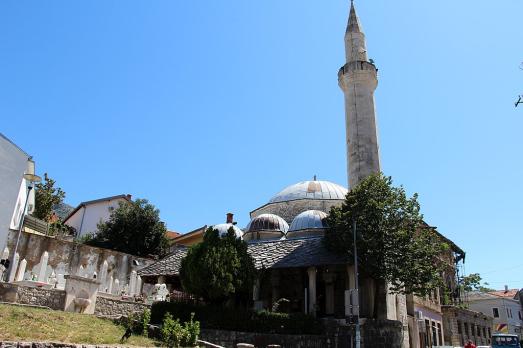
Nesuh-Aga Vučjaković Mosque was built in the 16th century. It is very close to Karađoz Bey Mosque, to which it is very similar in style.
Neta, CY
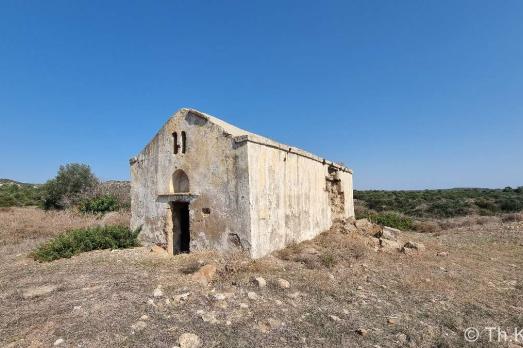
The Agios Sergios church in Neta is located about 3 km southeast of the village in the fields. The building was erected in the 12th century. It is now in a ruinous state. The wall of the apse has already completely collapsed, as have parts of the southern wall. There is also a large hole in the roof at the back.
Neta, CY
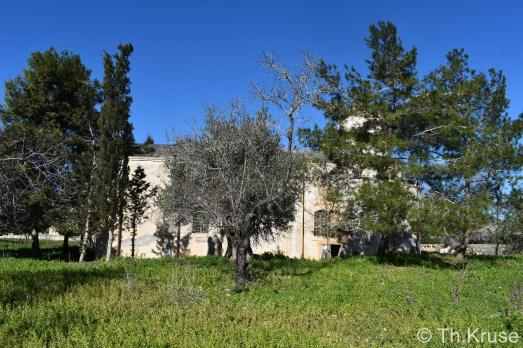
The Panagia Church of Neta was built in the 18th century and is located in the northern part of the original settlement core. Under the bell tower, steps lead down to a chamber. Gunnis called this area "holy well". The church was converted into a mosque after 1974 and was used until a new mosque was completed in the village.
Kvinlog, NO
Netlandsnes chapel is a wooden building built in 1886. The architect of the church is H. A. Fedde.
Netuş, RO
Documented for the first time in 1448, the Gothic hall church was erected without a tower. During the fortification works in 1500, a mighty defence tower was built above the chancel and a second one on the western side. The chancel was encased with a 2 m thick wall, which separated it from the nave. The access from the nave went through a portal secured with portcullis. The church was surrounded by a wall protected by a gate tower, but only fragments are still preserved. The gate tower was later converted into a dwelling for the castle guardian. In the 19th century he western tower of the church was replaced by a polygonal annex for the organ loft. On the eastern wall one can admire a rare example of pulpit altar, masterpiece built in 1770 by Johann Folbarth, sculptor and painter from Sighişoara. In the walled-up chancel, the Gothic vaults, the tabernacle, the sacristy portal and frescoes fragments are still preserved.
new
For a long time, Europe was ruled by powerful monarchies. Monarchy and religion have been connected since time immemorial. Here are 7 sites across Europe where royalty historically bent the knee to a higher power and received their crown.
Stupas are symbols of enlightenment and peace that commemorate different stages of Buddha's life. Since the mid-20th century, thousands of stupas have begun to populate Europe. We have compiled some of the most impressive ones in this list.
Walter Maria Förderer (1928–2006) was a Swiss architect and sculptor renowned for his neo-expressionist church designs in the 1960s. In this list we have compiled 6 of his church designs that seamlessly integrate religious and secular elements.