St Margaret
Roughton, GB
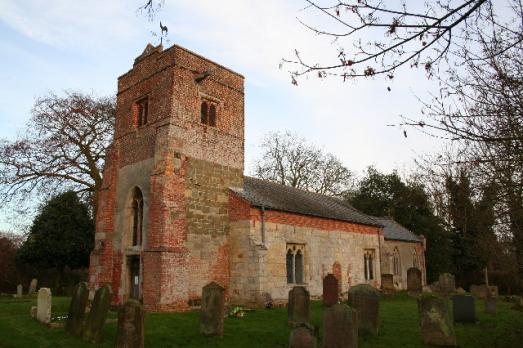
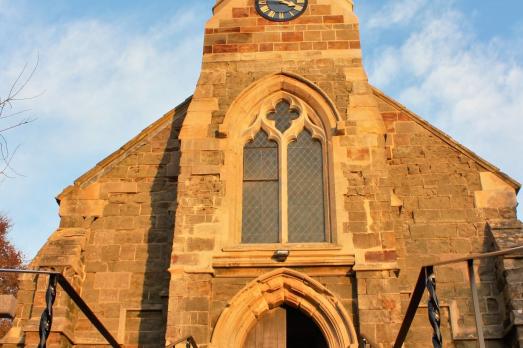
Dedicated to St Margaret, this grade II* listed church has been constructed of greenstone, limestone and red brick to create a wonderful patchwork effect that catches the light beautifully in the setting sun.
Here you can search for a building to visit. You can use the map find destinations, or you can use the filters to search for a building based upon what different criteria.
Roughton, GB
Dedicated to St Margaret, this grade II* listed church has been constructed of greenstone, limestone and red brick to create a wonderful patchwork effect that catches the light beautifully in the setting sun.
Bucknall, GB
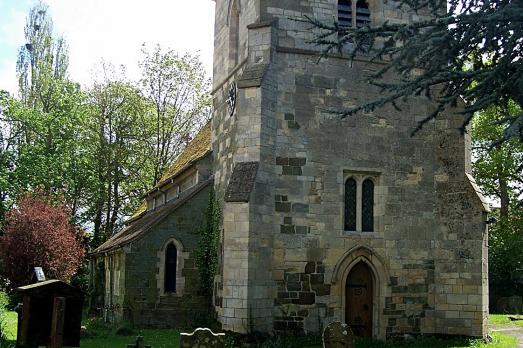
Built of greenstone in the early English style, St Margaret's is partly 13th century with traces of Norman and the external features mainly Victorian.
Thorpe Market, GB
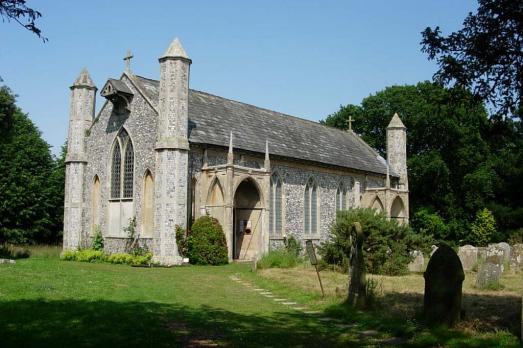
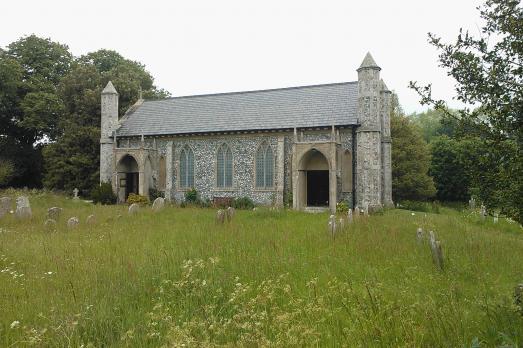
Built in 1796 on the site of an earlier medieval church by the first Lord Suffield, it was one of the first Gothic Revival buildings in Norfolk. It contains the font, tombs and memorials from the earlier church and the records name incumbents from 1200.
Langton with Old Woodhall, GB
St Margaret's at Langton was also much restored also in 1890 though a little mediaeval stonework remains in the north aisle, visible from outside if you can't get in. Look for the unusual font made from several bits of masonry, the base being part of a Norman roof vault. There's a welcome seat in the churchyard too for anyone needing a rest!
Thimbleby, GB
Delve a little into the history behind this small village in Lincolnshire and you will soon find its hugely important link to America. You see the mud and stud thatch cottages in this village were the blueprint for the very first houses built in Jamestown America in 1607, not only that but probably built by the same carpenter as well.
Lerwick, GB
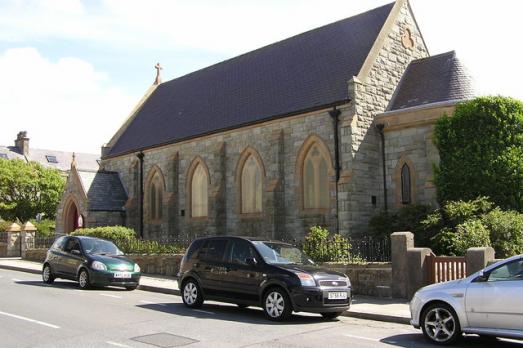
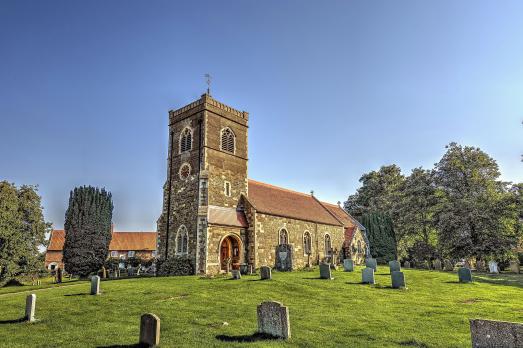
St Margaret's was built in 1911 to the designs of Kirkwall architect James Baikie. It is the most northerly Catholic church in the UK. One of the most notable features is the high altar, carved from Belgian oak and consisting of six saints in elaborate niches on either side of the central crucifix and tabernacle. The church is dominated by three large stained glass windows made by C R Sinclair in 1986, depicting Shetland life and some wildlife.
City of London, GB
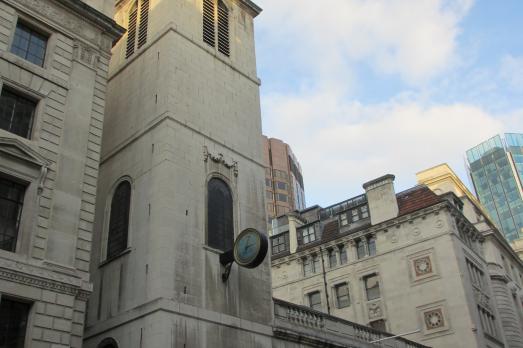
First mentioned in 1185 and rebuilt in 1441, the current church by Wren was completed in 1692; the tower by Robert Hooke was finished in 1700.
Waddingworth, GB
This small medieval and Georgian church is almost on the spot that claims to be the centre of Lincolnshire. A 13th century cross base stands within the churchyard depicts this point.
Thrandeston, GB
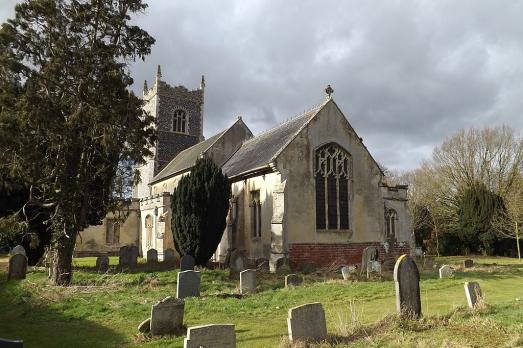
The Church of St Margaret of Antioch is a medieval parish church in Thrandeston dating from the 15th century.
Thorpe Market, GB
Thorpe Market church is a picturesque Gothick chapel, completed in 1796 to the designs of a Mr Wood, under the Patronage of the first Baron Suffield. It has an award-winning conservation churchyard, supporting several rare species of flora, and a woodland burial site known as the Hazel Grove. The interior has two unique Regency screens of oak and painted glass.
new
For a long time, Europe was ruled by powerful monarchies. Monarchy and religion have been connected since time immemorial. Here are 7 sites across Europe where royalty historically bent the knee to a higher power and received their crown.
Stupas are symbols of enlightenment and peace that commemorate different stages of Buddha's life. Since the mid-20th century, thousands of stupas have begun to populate Europe. We have compiled some of the most impressive ones in this list.
Walter Maria Förderer (1928–2006) was a Swiss architect and sculptor renowned for his neo-expressionist church designs in the 1960s. In this list we have compiled 6 of his church designs that seamlessly integrate religious and secular elements.