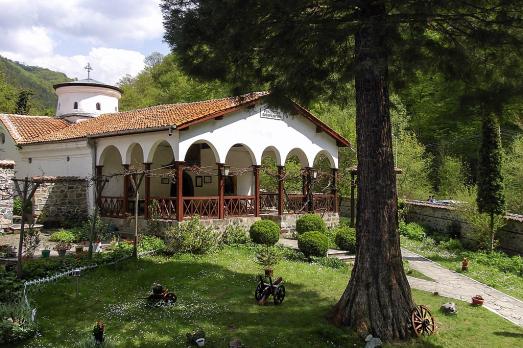
The Seven Altars Monastery
Osenovlag, BG
The Osenovlashky Monastery, most popularly known as the Seven Altars Monastery, is a monastic complex in the picturesque valley of the river Gabrovitsa.

Here you can search for a building to visit. You can use the map find destinations, or you can use the filters to search for a building based upon what different criteria.
Osenovlag, BG
The Osenovlashky Monastery, most popularly known as the Seven Altars Monastery, is a monastic complex in the picturesque valley of the river Gabrovitsa.
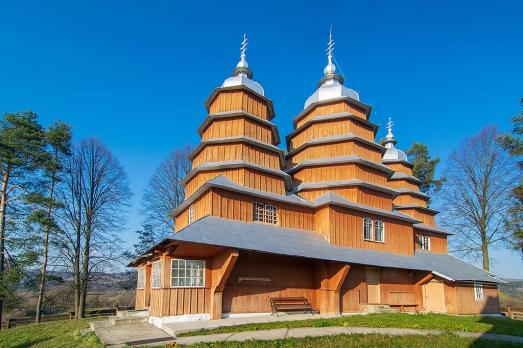
Matkiv, UA
The Synaxis Church of the Blessed Virgin Mary is a wooden tserkvas built in 1838. It is an important monument of Boykos architecture. Its bell tower was built later in 1924.
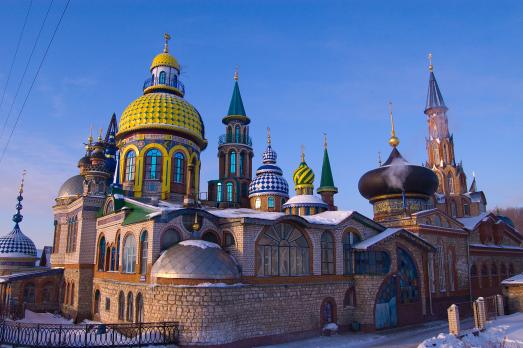
Kazan, RU
The Temple of All Religions or the Universal Temple is a unique architectural complex in the Staroye Arakchino Microdistrict of Kazan, Russia. It consists of several types of religious architecture including an Orthodox church, a mosque, and a synagogue, among others. It is currently under construction since 1992, started by local artist and philanthropist Ildar Khanov. The structure now serves as a cultural center and a residence for Khanov's brother and sister, who both continue to serve as guides and supervisors of the complex.
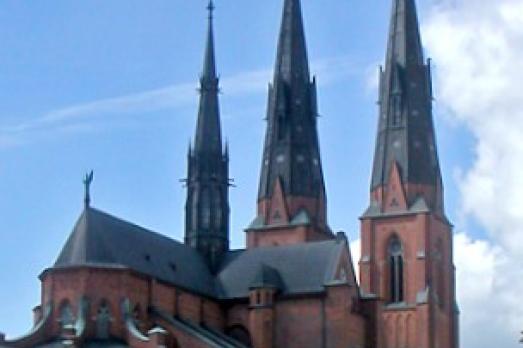
Uppsala, SE
The Uppsala cathedral is noted as being the tallest cathedral of the Nordic countries. It is the burial site of King Eric IX of Sweden and was the traditional coronational church for Swedish monarchs. The cathedral was built in the 13th century as a catholic church and became important during the Protestant Reformation as its chapels were converted into tombs for several Swedish monarchs. The church was built during the turn of the 13th and 14th centuries in a french gothic style. Its latest editions were its enormous spires, which were completed in the 18th century.
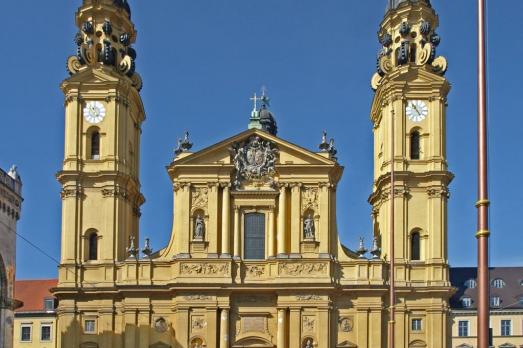
Munich, DE
St. Kajetan Church in Munich, called Theatinerkirche, served as a monastery church of the order of Theatine. It was built from 1663 to 1690 on the model of the church of Sant'Andrea della Valle in Rome, dating back to the 16th century.
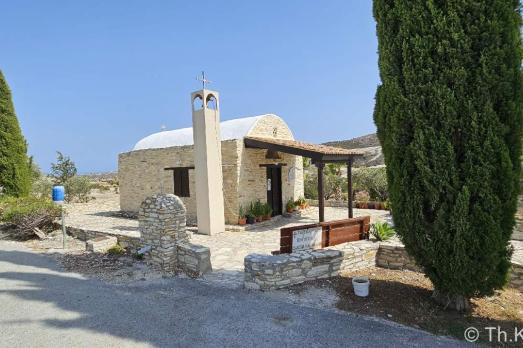
Klavdia, CY
The building is located outside of the village in north-western direction (approx. 2 km).
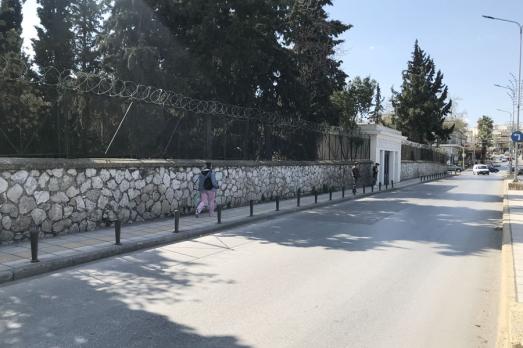
Stavroupoli, GR
The exact period of the cemetery’s establishment is unknown, but it can be assumed that it emerged in the 18th-19th centuries.
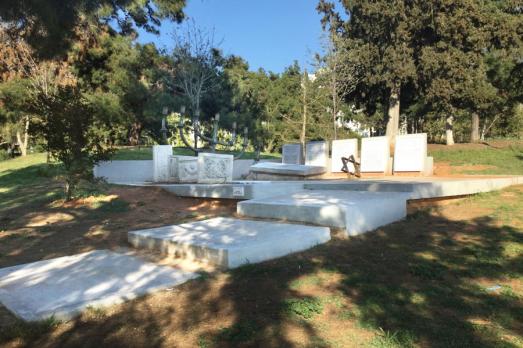
Thessaloniki, GR
The exact period of the cemetery’s establishment is unknown, but it can be assumed that it was founded between the 14th and 15th centuries. On the eve of WWII, 40 active synagogues were in Thessaloniki. A total of 48,533 Jews were deported to the death camps. By the end of the war, Thessaloniki remained the great centre of Sephardic Jewry in Europe. After the war, around 400 Jews returned to Thessaloniki. The community was reestablished and became the second-largest Jewish community in Greece after Athens.
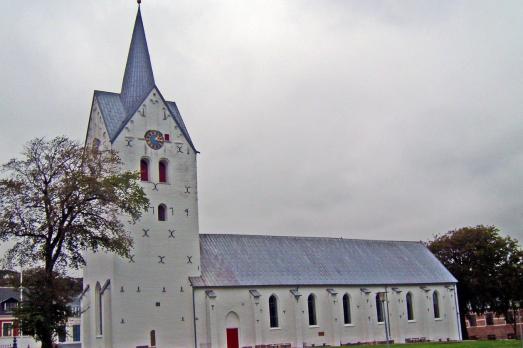
Thisted, DK
This church was built around 1500 in the late Gothic style with yellow bricks mixed with granite blocks and chalk. In the disused cemetery is the tomb of J.P. Jacobsen (1847-1885).
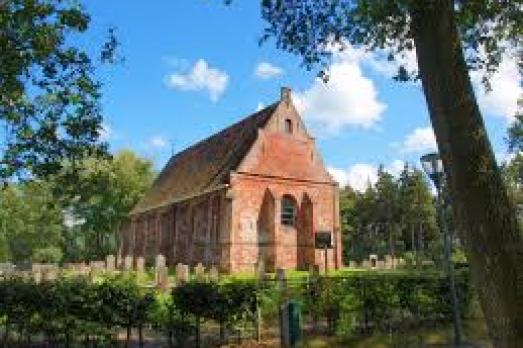
Katlijk, NL
The Thomas Church in Katlijk is built with rose shops: bricks that are smaller than monastery mops. The current church dates back to 1525. On the north side of the church is a double bell tower seated on a gable roof. The bells are used for Sint-Thomasluiden (sounding bells between the 21 December and 31 December).

new
For a long time, Europe was ruled by powerful monarchies. Monarchy and religion have been connected since time immemorial. Here are 7 sites across Europe where royalty historically bent the knee to a higher power and received their crown.

Stupas are symbols of enlightenment and peace that commemorate different stages of Buddha's life. Since the mid-20th century, thousands of stupas have begun to populate Europe. We have compiled some of the most impressive ones in this list.

Walter Maria Förderer (1928–2006) was a Swiss architect and sculptor renowned for his neo-expressionist church designs in the 1960s. In this list we have compiled 6 of his church designs that seamlessly integrate religious and secular elements.

How is Religiana helping to conserve and promote Religious Heritage in Europe and why should you get involved?
Find out about Religiana
Are you a tourism organisation or religious heritage sites manager? Discover the advantages of becoming a partner.
See current partners
We can keep you up to date with the latest news from Religiana and religious heritage conservation across Europe.
Sign up to the FRH newsletter