Explore Religious Heritage Across Europe

Here you can search for a building to visit. You can use the map find destinations, or you can use the filters to search for a building based upon what different criteria.

Refine search

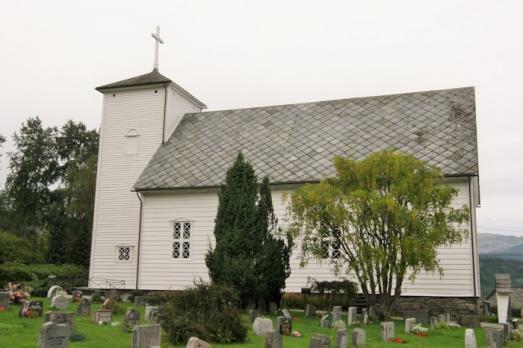
Viksdalen Church

Viksdalen Church

Viksdalen, NO

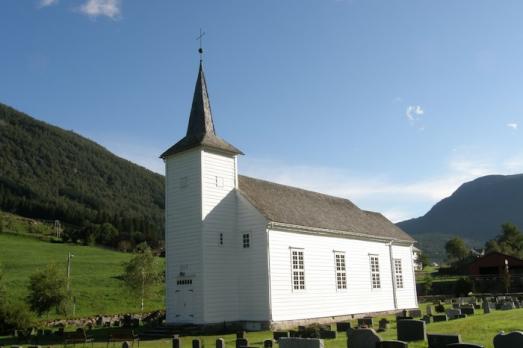
Built around 1620, the Viksdalen church is a reconstruction from 1847-48. In 1889, the church was rebuilt again and received spiers, a new choir and new colours inside. Until 1960 the church was called Vik, but in 1960 both the church and the parish changed its name to Viksdalen, mainly to avoid confusion with Vik in Sogn.
Víkurkirkja

Víkurkirkja

Vík, IS

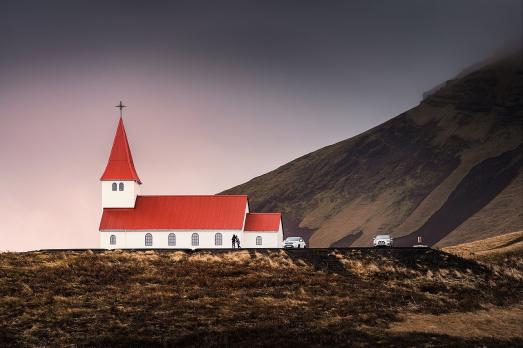
Víkurkirkja is a church built between 1931 and 1934 when the population of Vík was growing and no longer wanted to travel to the church in the neighbouring village for every mass. It was consecrated by Jón Helgason, the bishop of Iceland at that time.

Vikøy Church

Vikøy Church

Kvam, NO

Vikøy church was consecrated in 1838 and replaced an old Stave church on the site. Vikøy church is a long wooden church built according to Linstow's plans. The church is a simple rectangular building with the choir included in the main building. To the west stands a square tower.

Vila Real Cathedral

Vila Real Cathedral

Vila Real, PT

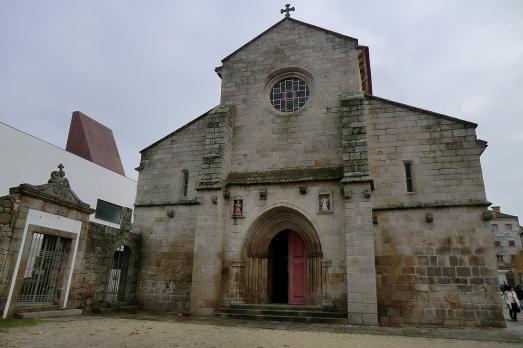
Vila Real Cathedral was built in the 15th century and is considered the best example of Gothic architecture in the Trás-os-Montes region. As its name suggests, the current cathedral comes from a Dominican convent founded by monks from Guimarães in the 15th century. The church was modified in the 16th century, and especially in the 18th century when the present choir and bell tower were built in Baroque style. In 1834, with the extinction of the religious orders, the church became a parish church. It became a cathedral in 1924 when the Diocese of Vila Real was created.

Viljandi Jaani kogudus

Viljandi Jaani kogudus

Viljandi, EE

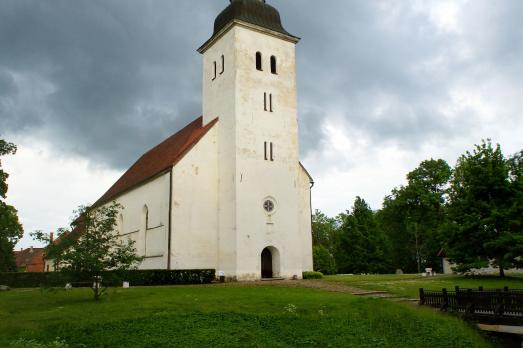
In 1972, the then chief architect íìlo Stí?í?r and the fire chief Adolf Jí?rna refused to grant permission to build a reinforced concrete ceiling in the church. The possessor did not repair the building, the roof ran through and the church began to fall apart. The builders remember that the roof was so dilapidated that the sky could be seen from inside the church. The reconstruction of the church building began with the national awakening. In order to save the church building as a medieval architectural monument, the reconstruction of the building into a concert hall was started in the 1980s.

Village church

Heemskerk, NL

This church was first mentioned in 1063. It is unknown what it looked like. Over the centuries, a church was built of tuff, a grey volcanic stone from the Eifel, on the site of the current one. The tower was built in the 13th century from the so-called monastery bricks, these are large baked bricks that were used to build monasteries. The tower, built in Gothic style, probably originated in the first half of the fifteenth century. This can be deduced from the year 1464 on the bell. Just like the church, the bell was dedicated to Saint Laurentius. The bell had a social warning function. In the event of a storm, fire or other danger, the population was called to help or warned by ringing the bell. During the siege of Alkmaar in 1573, the Spanish demolished everything that was flammable from the church. Only the tower remained intact. In the meantime, the Reformation had taken place. After the departure of the Spanish soldiers, the reconstruction by the Protestants began. It became a hall church without a choir in Gothic style. The church was rebuilt in 1628. A year later the church was completely finished. Since 1798 the tower has been municipal property. In 1970-1971 the tower and the church were restored

Village church

Hendrik-Ido-Ambacht, NL

Original building from 1968. Major renovation and extension in 1999, with turret on roof. Municipality founded in 1953.

Village church

Kinderdijk, NL

The church was designed in 1916 by architect Jan Wils and built in 1923-1924 in Expressionist architectural style with clear influences from FL Wright. Wils was, like JJP Oud and R. van 't Hoff, one of the architects from De Stijl who were particularly inspired by Wright. The stained glass windows were probably designed by T. van Doesburg or a style related to him. The church was built against the Lekdijk on the outer dike side. The high bell tower marks the location of the church in the bend of the dike near the nearby village centre. NB In 1966 the church was partly adapted: the organ was removed, the slope was removed from the floor, the pew plan was changed and the pulpit and communion table were renewed. In 1997 the pointing was renewed (flat).

Village church

Leiden, NL

Built as a Reformed Church. Church building without a tower, with, among other things, windows in neo-Gothic style. Replaced an earlier church hall from 1854. Restoration 1903. Out of use as a Reformed Church in 1957, when it was taken over by the Reformed Church (Liberated). After the merger in 2023, it became the NGK.

Village church

Durgerdam, NL

Small village church with tower. The Dorpskerk Durgerdam, originally the Hervormde kerk van Durgerdam, is the Protestant church in Durgerdam in Amsterdam-Noord. The church building is not along the Durgerdammerdijk, but a little lower behind it.

Be inspired

Stupkalnis.lt

10 Buddhist stupas to discover in Europe

Stupas are symbols of enlightenment and peace that commemorate different stages of Buddha's life. Since the mid-20th century, thousands of stupas have begun to populate Europe. We have compiled some of the most impressive ones in this list.