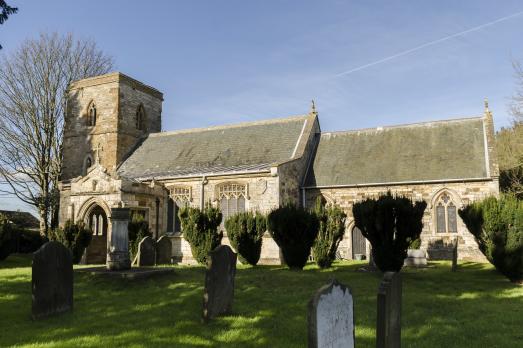
All Saints
Holton cum Beckering, GB
Set in a lovely rural hamlet on the edge of the Lincolnshire Wolds, grade I listed All Saints is a gem of a church, with a wonderful chancel and its connections with Italy.

Here you can search for a building to visit. You can use the map find destinations, or you can use the filters to search for a building based upon what different criteria.
Holton cum Beckering, GB
Set in a lovely rural hamlet on the edge of the Lincolnshire Wolds, grade I listed All Saints is a gem of a church, with a wonderful chancel and its connections with Italy.
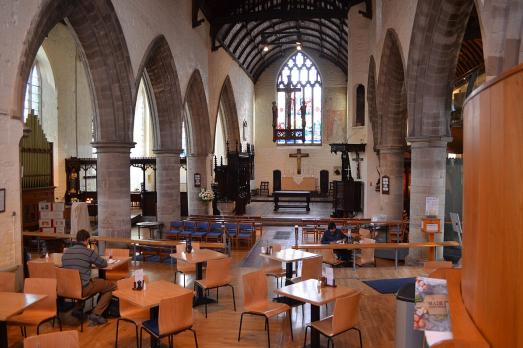
Hereford, GB
All Saints Church has been a focus of Hereford life for over 800 years. Its dramatic twisted spire dominates the skyline, and the medieval interior is an inspired meeting of the sacred and the secular: we aim to serve the human need for physical and social as well as spiritual nourishment.
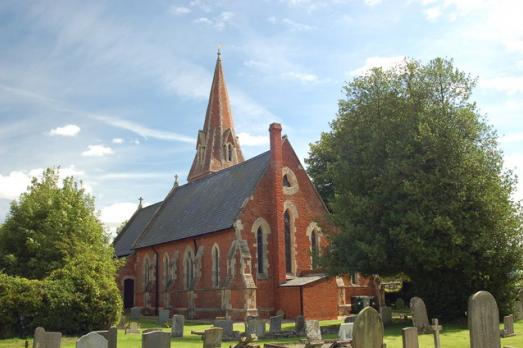
Horsington, GB
The inside arcades are 13th century and both are of four bays with low double chamfered arches. The octagonal font was originally square and is a link with Norman times.
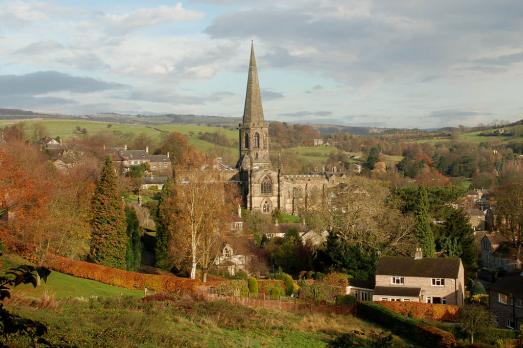
Bakewell, GB
The earliest church in Bakewell dates from Anglo Saxon times. However, there were probably Christians here long before then, very likely they were among the Roman settlers from the 2nd century onwards. Under pressure from invaders, the Christian faith largely died out, but was brought back to the Anglo Saxon kingdom of Mercia in the late 7th century by pioneering missionary bishops who built a number of 'minster' churches. Bakewell was one of these.
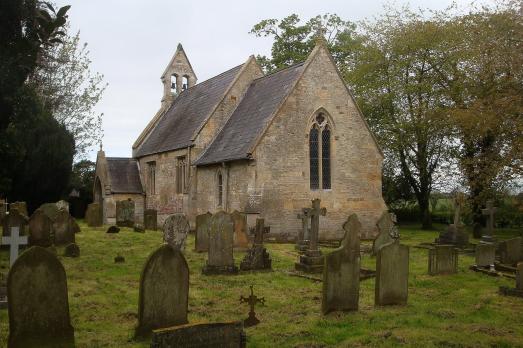
Snelland, GB
This beautiful atmospheric church dates back to the 12th century, but it was during the reign of Henry VIII that All Saints gained notoriety. Visit the church and learn about Thomas Retford, who courageously gave his life for opposing the king's destruction of the monasteries.
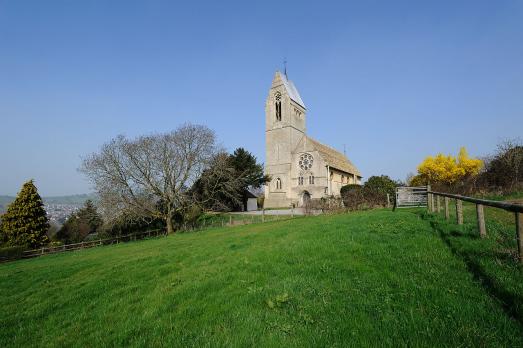
Gloucestershire, GB
Designed by GF Bodley and dedicated in 1862, All Saints is of major importance as his first collaboration with William Morris.
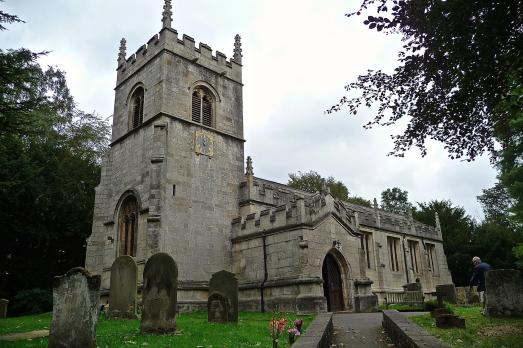
Babworth, GB
Welcome to our quintessential English parish church, surrounded by greenery and lovingly cared for. All Saints has been described as 'the church among the trees' and certainly lives up to visitors expectations!
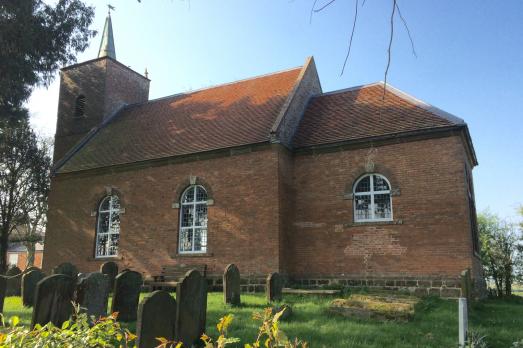
Gautby, GB
A rather unassuming village church on the outside but containing a wealth of interest and heritage within its walls. But there also lies a hidden story of murder and intrigue. Come along and view the striking memorial statues of Sir Thomas Vyner and his son, and then learn about the terrible tragedy that fell on this family.
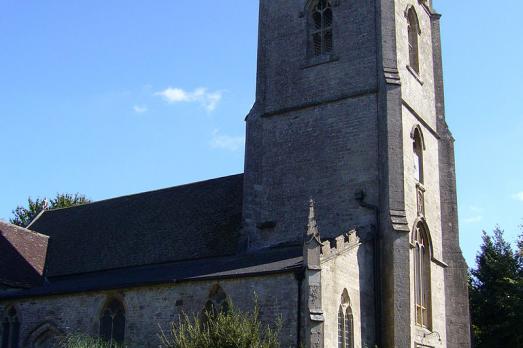
Nunney, GB
The village of Nunney is situated at the east end of the Mendip Hills close to the town of Frome in Somerset. At the heart of the village is the Grade I Listed church which sits close by and overlooks the medieval moated castle.
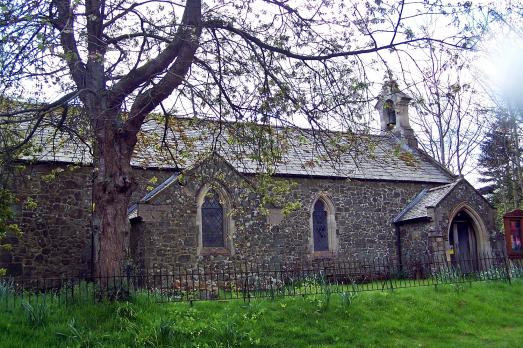
Goulceby, GB
Goulceby is a delightful village nestling in the valleys of the Lincolnshire Wolds. On the Viking Way long distant footpath, All Saints is a welcomed shelter in inclement weather. An unassuming grade II listed parish church, All Saints was rebuilt in 1908 reusing medieval fragments. Although simple in style and size it is however tenderly cared for.

new
For a long time, Europe was ruled by powerful monarchies. Monarchy and religion have been connected since time immemorial. Here are 7 sites across Europe where royalty historically bent the knee to a higher power and received their crown.

Stupas are symbols of enlightenment and peace that commemorate different stages of Buddha's life. Since the mid-20th century, thousands of stupas have begun to populate Europe. We have compiled some of the most impressive ones in this list.

Walter Maria Förderer (1928–2006) was a Swiss architect and sculptor renowned for his neo-expressionist church designs in the 1960s. In this list we have compiled 6 of his church designs that seamlessly integrate religious and secular elements.

How is Religiana helping to conserve and promote Religious Heritage in Europe and why should you get involved?
Find out about Religiana
Are you a tourism organisation or religious heritage sites manager? Discover the advantages of becoming a partner.
See current partners
We can keep you up to date with the latest news from Religiana and religious heritage conservation across Europe.
Sign up to the FRH newsletter