Explore Religious Heritage Across Europe

Here you can search for a building to visit. You can use the map find destinations, or you can use the filters to search for a building based upon what different criteria.

Refine search

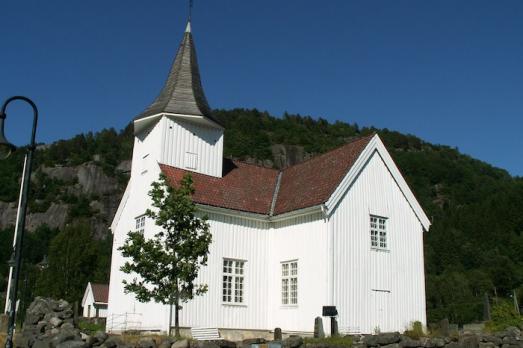
Feda Church

Feda Church

Kvinesdal, NO

The church of Feda is a wooden cruciform church built in 1800-02. In 1820 the church received its coverings and an octagonal eaves. The small-paned windows and doors have been preserved from the time of construction. The interior is characterised by a simple empire style.

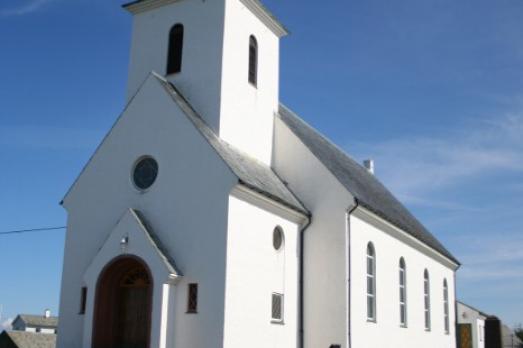
Fedje Church

Fedje Church

Fedje, NO

Fedje Church is a long church built in 1941 and designed by the architect Ole Halvorsen. The first church in Fedje was built in 1659. The church is built of brick, a material better suited than wood to the harsh marine climate of Fedje, and the tower is clad in copper.

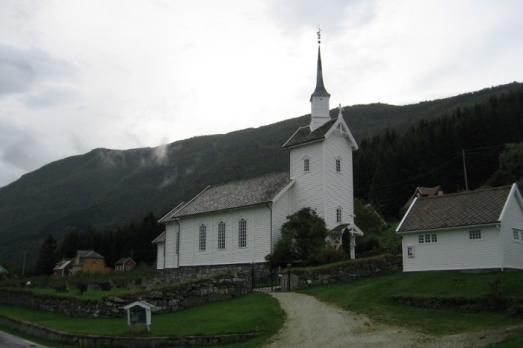
Feios Church

Feios Church

Vik, NO

The church of Feios was built in 1866 and replaced a moat church on the site. The church is built according to the plans of the architect Jacob Wilhelm Nordan and the builder Johannes Arnesen Øvsthus. The interior is characterised by the Swiss and neo-Gothic style and has remained almost unchanged since the time of construction.

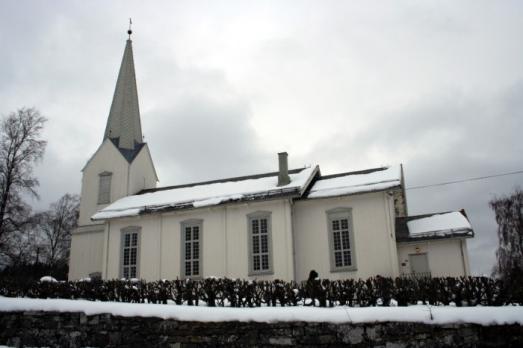
Feiring Church

Feiring Church

Eidsvoll, NO

Feiring Church is a log church with an exterior cladding, built in 1875 according to the plans of the builder Gudbrand Johnsen. The church is typical of the period and well preserved. Inside it underwent some changes in 1941-42 when the interior was given new colours and the choir ceiling was decorated by Anders Stenberg. The church's stained glass windows are from the same period and were made by Borgar Hauglid.

Feldioara Fortified Church

Feldioara Fortified Church

Feldioara, RO

The Evangelic church and the ruins of the Teutonic Knights’ fortress, separated only by a ditch, are the pride of Feldioara. The 13th century Romanesque basilica with three aisles and a later added bell tower shows an interesting particularity, a vaulted gallery at the second level of the tower dedicated to the founder of the church. During the 18th century the tower is provided with a roof, constructed after the model of the Black Church in Braşov. The interior of the church is covered with crossed vaults, which in the chancel are supported by half-column piers. Their capitals are decorated with vegetal, anthropomorphic and biblical motifs. From the pre-reformation altar only few parts were preserved and moved later to the Black Church. From the curtain wall only some remains still exist, while the boulder walls of the nearby Teutonic fortress still stand. The latter’s defence walls were 4m thick and enforced with four towers. The remains of a chapel within the enclosure can still be seen today.

Feldkirch Cathedral

Feldkirch Cathedral

Feldkirch, AT

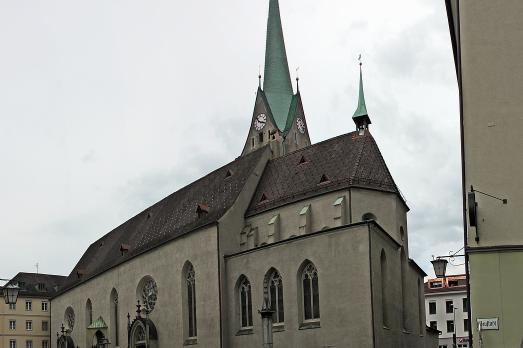
The Feldkirch Cathedral was built in the 13th century in the Romanesque style with only two naves due to limited space. The original church was badly damaged during the town fires of 1348, 1396 and 1460 and in 1478 it was rebuilt and consecrated under the architect Hans Sturn with a late Gothic nave and a gable roof. In 1479, the church tower to the north was completed. Around 1520, the present choir hall was built under a lower gable roof.

Felicitaskerk

Spijkenisse, NL

Built to replace the previous Felicitaskerk on the Lisstraat. Architecturally interesting church building without a tower.

Felle Chapel

Felle Chapel

Nissedal, NO

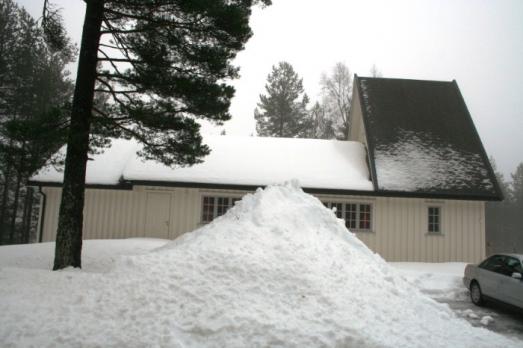
Felle Chapel is a long church built in 1971. The town's cemetery had a tool shed which was destroyed in a flood in 1968. It was planned to build a funeral chapel to replace it.

Felmer Fortified Church

Felmer Fortified Church

Felmer, RO

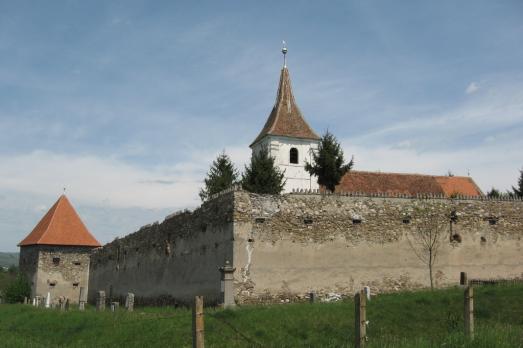
Only the choir with its semi-circle apse and the central nave have remained from the original 13th century building located on a slope in the remote hills east of Făgăraș. Around the year 1500 the church was fortified for reasons of defence, the side naves were taken down and a defence floor was erected on the choir and middle nave. The church is surrounded by a ring wall which originally boasted three defence towers of which two still stand. In 1795 the church received a tower on the west side and for this cause the ring wall was moved further westwards. The defence floor was taken down around 1800 and the central nave was vaulted with Bohemian caps that rest on sturdy wall structurfelmern3_altares. The today completely destroyed school was erected on the south side of the ring wall. In the interior parts of the classicist features such as the pulpit and the altar without the altarpiece can still be found. The first oeuvre of the organ builder J. Prause is the organ of Felmer from the year 1780 which was brought to the church in Făgăraș and can be visited there.

Fenstad Church

Fenstad Church

Nes, NO

The Fenstad church was built in 1702-03 and had a central tower at that time, but got the west tower when it was remodelled in 1863. The church was also modified in 1892 (by Johan Johnsen) and 1930 (by Andreas Nygård).

Be inspired

Stupkalnis.lt

10 Buddhist stupas to discover in Europe

Stupas are symbols of enlightenment and peace that commemorate different stages of Buddha's life. Since the mid-20th century, thousands of stupas have begun to populate Europe. We have compiled some of the most impressive ones in this list.