Explore Religious Heritage Across Europe

Here you can search for a building to visit. You can use the map find destinations, or you can use the filters to search for a building based upon what different criteria.

Refine search

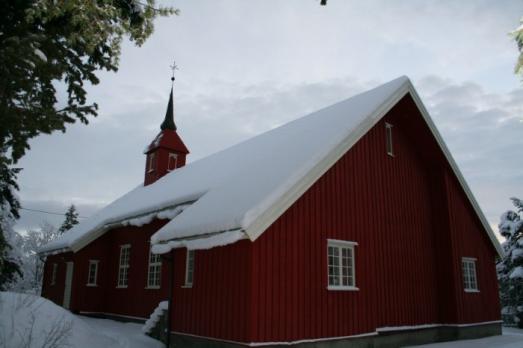
Fagerhaug Church

Fagerhaug Church

Oppdal, NO

The church in Fagerhaug was built in 1921 for the local Baptist congregation and was used as a house of prayer until 1928. It was then used for various purposes before it was rebuilt in 1958-59 according to plans by John Egil Tverdahl and consecrated as a chapel for the Church of Norway.

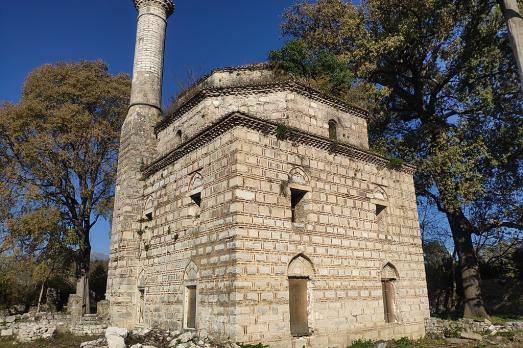
Faik Pacha Mosque, Arta

Faik Pacha Mosque, Arta

Arta, GR

The Faik Pasha Mosque, most commonly known as Imaret of Arta, is one of the two surviving mosques in the city. It was built during the Ottoman era and its complex originally included baths, an imaret and a madrasa.

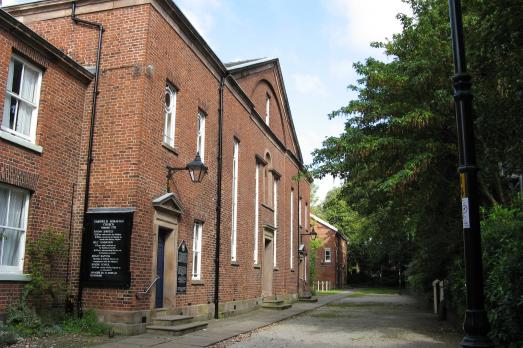
Fairfield Moravian Church

Fairfield Moravian Church

Droylsden, GB

Fairfield is a settlement congregation which was opened in 1785. It was planned and built by its own people, with its inn, shop, bakery, farm, laundry, fire engine, night watchman, inspector of weights and measures, an overseer of roads, and even its physician. There were community houses for sisters and brethren, who applied themselves to the varied work of the Settlement.

Faizul-Islam Moskee

s-Gravenhage, NL

Faizul-Islam Mosque, Surinamese. Mosque on the site of the former factory building that was demolished in 1996 and used as a mosque. Reopened on October 24, 1997. The building is recognizable as a mosque (minarets, dome).

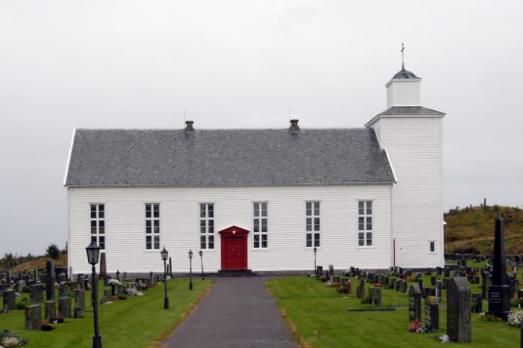
Falnes Church

Falnes Church

Karmøy, NO

The Falnes church is a wooden church built in 1851. The church has listed conservation status (after 1850). The church is inspired by the Linstow type.

Falsterbo kyrka

Falsterbo kyrka

Falsterbo, SE

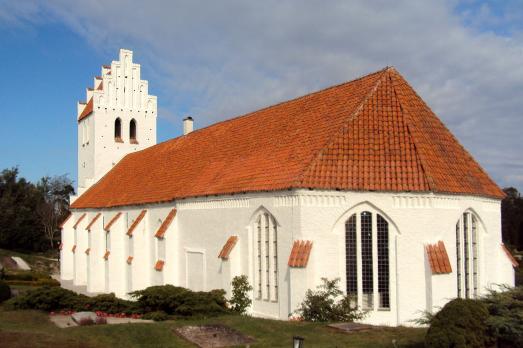
The oldest part of Falsterbo church dates from the second half of the 14th century, and the construction of this relatively large church must be seen in the context of the economically important medieval herring trade and the Skåne market, in which Falsterbo played a central role. The tower, with its crenellated gables typical of medieval Danish churches (Skåne only became Swedish in 1658), probably dates from the 15th century. A number of frescoes discovered from 1953 onwards were probably covered with paint when the church was rebuilt at that time.

Famagusta Agia Anna (St. Anne) Maronite Church

Famagusta Agia Anna (St. Anne) Maronite Church

Famagusta, CY

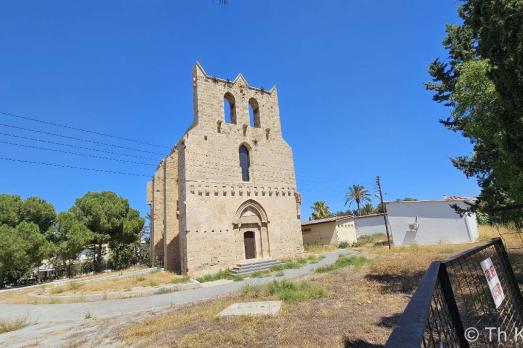
Not much is known about the history of this church. Very probably it was built by the Latins in the early 14th century. In the same century, the building was handed over to the Maronites. A recent renovation of the building was completed in December 2018.

Famagusta Agia Paraskevi Church (Kato Varoshia)

Famagusta Agia Paraskevi Church (Kato Varoshia)

Famagusta, CY

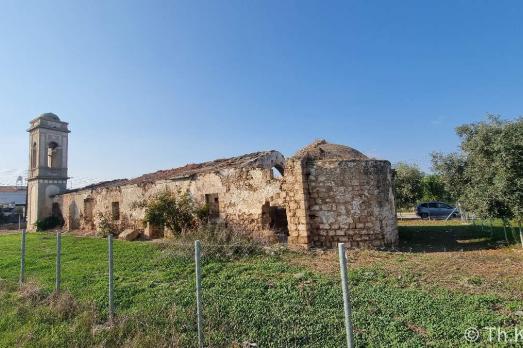
The Agia Paraskevi Church is located in the Chrysopolitissa parish of Famagusta. In the year of the visit (2022), the area around the church was cordoned off by a fence. The condition of the church must be described as poor to ruin. Parts of the outer walls and large parts of the roof have already collapsed.

Famagusta Agios Georgios Exorinou Church

Famagusta Agios Georgios Exorinou Church

Famagusta, CY

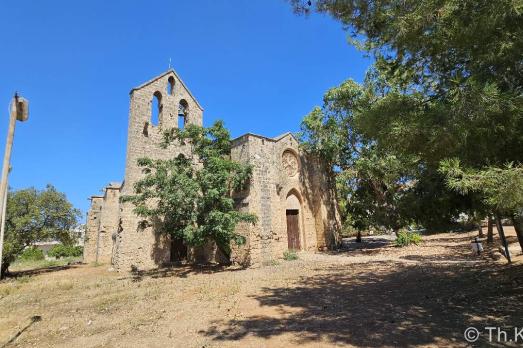
The Agios Georgios Exorinou Church (or Nestorian Church) is located in the walled city of Famagusta and was built in the 14th century. In 1905, the church was transferred to the G/C by the British rulers on the island. Due to inter-communal strife, this church could no longer be used by the G/C since the late 1950s. Until 2014, the church was reused on various occasions. Among other things, it was used as a cultural centre. In 2014, a church service was celebrated here again after a long time.

Famagusta Agios Georgios Salamis Church

Famagusta Agios Georgios Salamis Church

Famagusta, CY

The small parish church of Agios Georgios Salamis is located about four kilometres northwest of the Rivettina Bastion, on the road towards the Karpas Peninsula. Its date of construction is unknown. The building is apparently used today as a church by various denominations.

Be inspired

Stupkalnis.lt

10 Buddhist stupas to discover in Europe

Stupas are symbols of enlightenment and peace that commemorate different stages of Buddha's life. Since the mid-20th century, thousands of stupas have begun to populate Europe. We have compiled some of the most impressive ones in this list.