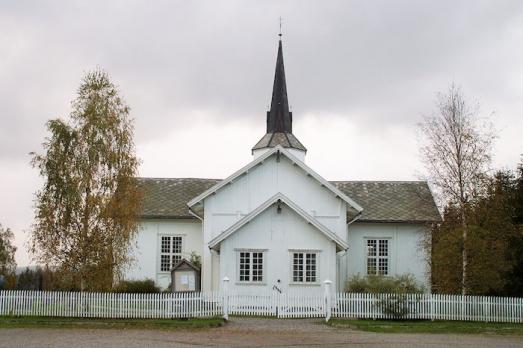
Fenstad Church
Nes, NO
The Fenstad church was built in 1702-03 and had a central tower at that time, but got the west tower when it was remodelled in 1863. The church was also modified in 1892 (by Johan Johnsen) and 1930 (by Andreas Nygård).

Here you can search for a building to visit. You can use the map find destinations, or you can use the filters to search for a building based upon what different criteria.
Nes, NO
The Fenstad church was built in 1702-03 and had a central tower at that time, but got the west tower when it was remodelled in 1863. The church was also modified in 1892 (by Johan Johnsen) and 1930 (by Andreas Nygård).
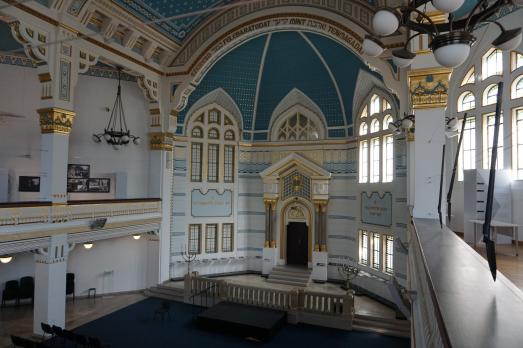
Budapest, HU
The Ferencváros (Páva St.) Synagogue in Budapest is an Ashkenazi synagogue completed in 1923-24 by architect Lippòt Baumhorn. This brick building now serves as a museum.
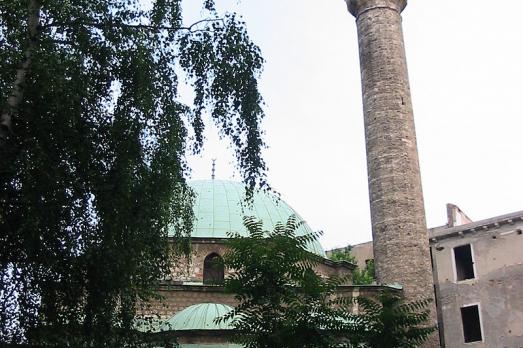
Sarajevo, BA
The Ferhadija mosque was built in the 16th century with a "kuttab" (school), a fountain and an "imaret" (public kitchen). These side buildings were unfortunately destroyed by successive fires (1697 and 1879), and the mosque was damaged during the Bosnian War (1992-1995).
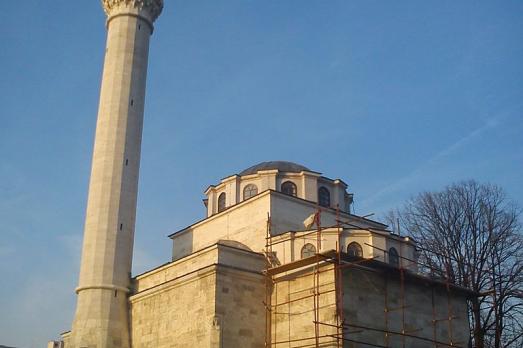
Banja Luka, BA
The Ferhat Pasha Mosque was built in 1579. It is considered a masterpiece of Islamic architecture and is a national monument in Bosnia and Herzegovina. Destroyed in 1993 during the war in Bosnia and Herzegovina, it was rebuilt afterwards.
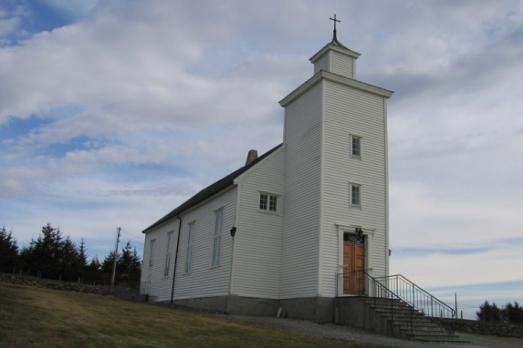
Karmøy, NO
The church of Ferkingstad was built in 1854 and thus succeeds many churches, built in Ferkingstad since the Middle Ages, which generally stood further north.
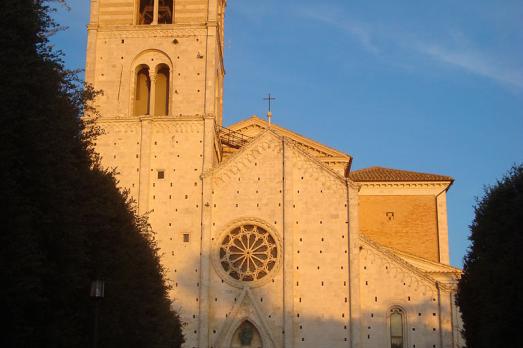
Fermo, IT
Fermo Cathedral was built in the 13th century on a former Christian basilica dating from the 6th century, which was destroyed in 1176 by Christian Mainz on the orders of Emperor Barbarossa. Around 1781, Archbishop Andrea Antonio Silverio Minucci had the rest of the church demolished and had it rebuilt in a neoclassical style, designed by Cosimo Morelli with modifications by L. Paglialunga, over a period of about eight years.
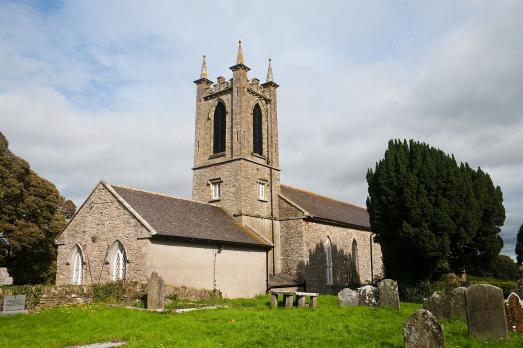
Ferns, IE
St Aidan's Cathedral is the Anglican cathedral of Ferns. The first Christian settlement in Ferns was a monastery in the early 6th century, founded by Aidan of Ferns. In 930 it was burnt down during Viking raids. An abbey was refounded in 1158. The medieval cathedral was built in the 1230s by Bishop John of St. John (1223 - 1253) on the grounds of the former monastery and is built with a cruciform plan. It burned down during the Elizabethan period. It was not completely rebuilt until 1817.
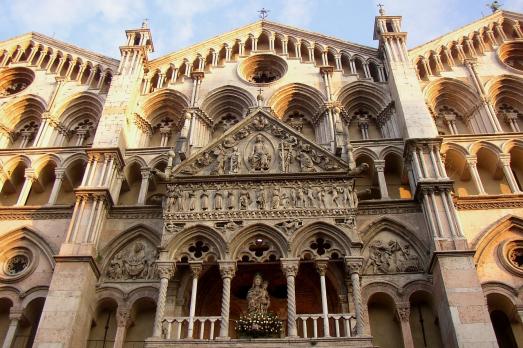
Ferrara, IT
The Cathedral of Ferrara, built in the 12th century, was first built in Romanesque style, as shown by its façade. Between 1451 and 1493, the bell tower was built according to a project by Leon Battista Alberti, but it was never completed.
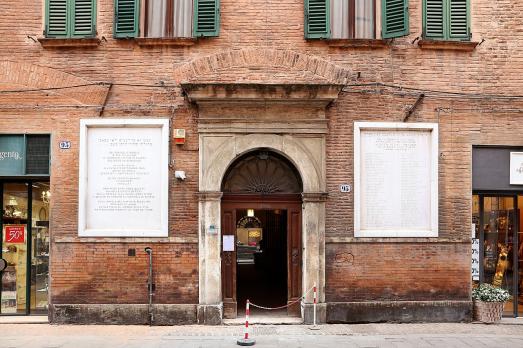
Ferrara, IT
The synagogue of Ferrara, built in the 15th century, is the only remaining synagogue in Ferrara. Located in the former ghetto, the Jewish community of Ferrara has made it the seat of its institutions. In 1941, a group of local fascists broke through the doors and destroyed part of the interior. Today, the building has been transformed into a Jewish museum.
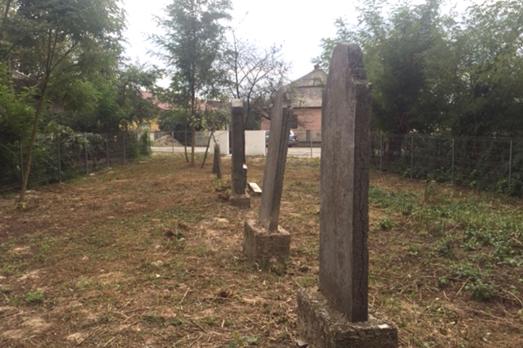
Fertesholmash, UA
The exact period of the cemetery’s establishment is unknown, but it can be assumed that it emerged in the 19th century. It first appears on cadastral maps of 1865.

new
For a long time, Europe was ruled by powerful monarchies. Monarchy and religion have been connected since time immemorial. Here are 7 sites across Europe where royalty historically bent the knee to a higher power and received their crown.

Stupas are symbols of enlightenment and peace that commemorate different stages of Buddha's life. Since the mid-20th century, thousands of stupas have begun to populate Europe. We have compiled some of the most impressive ones in this list.

Walter Maria Förderer (1928–2006) was a Swiss architect and sculptor renowned for his neo-expressionist church designs in the 1960s. In this list we have compiled 6 of his church designs that seamlessly integrate religious and secular elements.

How is Religiana helping to conserve and promote Religious Heritage in Europe and why should you get involved?
Find out about Religiana
Are you a tourism organisation or religious heritage sites manager? Discover the advantages of becoming a partner.
See current partners
We can keep you up to date with the latest news from Religiana and religious heritage conservation across Europe.
Sign up to the FRH newsletter