Explore Religious Heritage Across Europe

Here you can search for a building to visit. You can use the map find destinations, or you can use the filters to search for a building based upon what different criteria.

Refine search

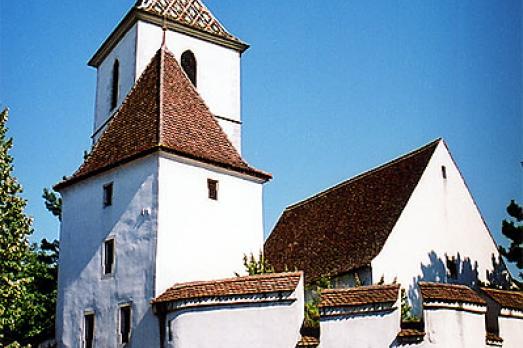
Fortified Church of St. Arbogast

Fortified Church of St. Arbogast

Muttenz, CH

The Fortified Church of St. Arbogast was founded in the 8th century, and since the 15th century, is completely enclosed by a circular wall. In the 14th and 15th centuries, the border region of Basel is indeed plagued with wars opposing the Habsburgs and the brand-new Swiss confederacy. The church of Muttenz has to potentially serve as a new refuge for the population in the event of future conflicts.

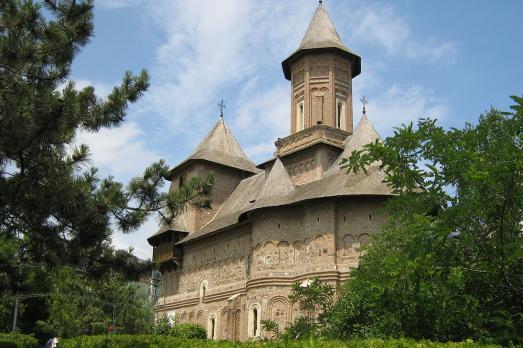
Fortified church of St. Precistus

Fortified church of St. Precistus

Galați, RO

The fortified church of St. Precistus was built between 1643 and 1647 and is a symbol of the city. It was built in what was then Moldavia under Ottoman administration. Half a century after the completion of the construction of the Precista church, the Ottoman Empire was in decline, and for more than a century the church was damaged in wars involving Austria, Russia and the Ottoman Empire. In 1940, during the Second World War (1939-1945), a great earthquake seriously damaged the church. It was restored between 1952 and 1966 and functioned as a museum of medieval religious art. Further restoration and consolidation took place during the years 1991-1994, after which the church was returned to Orthodox worship.

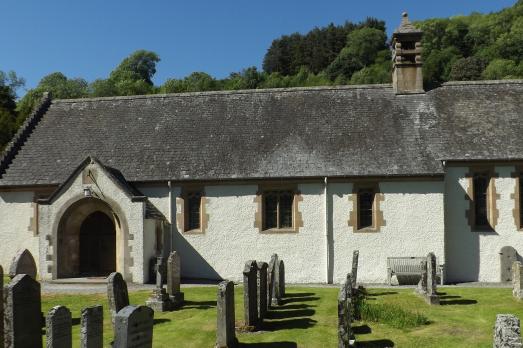
Fortingall Parish Church

Fortingall Parish Church

Fortingall , GB

Standing on an ancient Christian site, the current church was built in 1900-02 to designs by W Dunn and R Watson, the successors to James M MacLaren who redeveloped the village for Sir Donald Currie blending Scottish vernacular with the newly fashionable Arts and Crafts style.

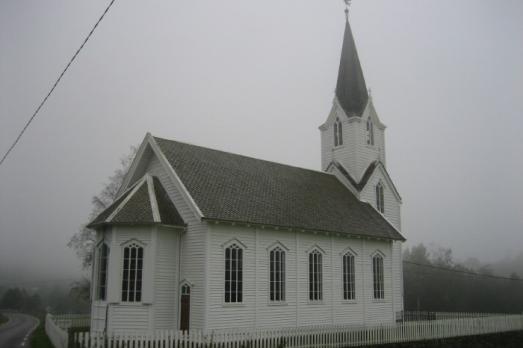
Fortun Church

Fortun Church

Luster, NO

Fortun Stave church, dating from the years 11-1200, was above the road to today's church. The present church was built in wood in 1879. It has a long plan and was designed by the architect E. Rusten. The Stave church was demolished and rebuilt in Fantoft in 1883, together with the Borgund Stave church, but unfortunately, it was burnt down on 6 June 1992.

Fossum Church

Fossum Church

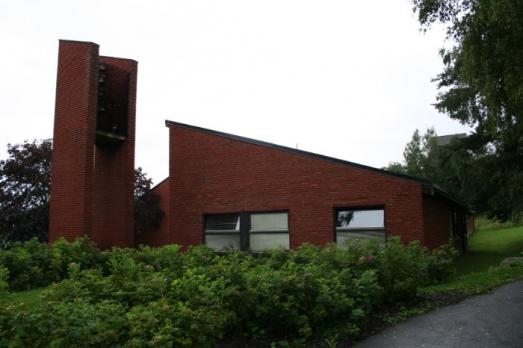
Oslo, NO

The Fossum church is a brick "working church" from 1976. The architect of the church was the architectural firm Anker & Hølaas. The church has a separate bell tower with 12 bells from Olsen Nauen Klokkestøperi.

Frampol Jewish Cemetery

Frampol Jewish Cemetery

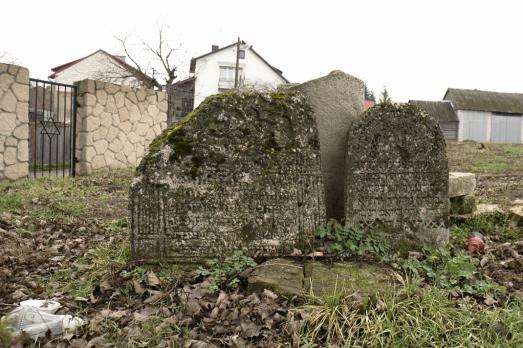
Frampol, PL

The cemetery was established in Frampol right after the city’s founding. The cemetery survived the War almost intact. After the War, the local non-Jewish population used the stone fence and most of the tombstones for construction purposes. After 1946, the cemetery was narrowed on the west side, and the edge was incorporated into the town. Over time, the cemetery became overgrown with poplars and robins. In 1985, the cemetery was fenced, a memorial for the victims of the Holocaust was erected, and the mass graves were marked. It is home to 46 tombstones, some of which are today badly damaged. The cemetery also has 160 matzevot, most of which are fragmented and the oldest of which dates to 1735 or 1736.

Franciscan Abbey Church, Prenzlau

Franciscan Abbey Church, Prenzlau

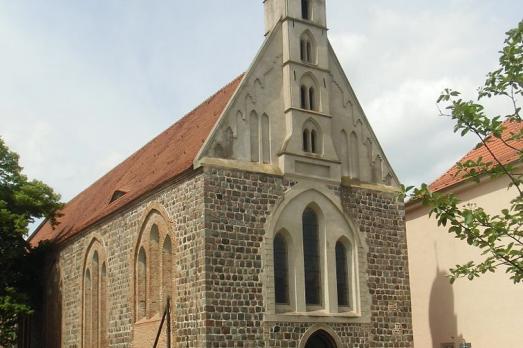
Prenzlau, DE

The abbey church of the Franciscans was built between 1235 and 1250, after the arrival of the Franciscans in Prenzlau from 1240 onwards. After the complex changed hands several times, the church was consecrated again in 1598 and was given the name Church of the Holy Trinity. From then on, the Lutheran congregation used the building. In 1735 the buildings of the surrounding monastery were demolished and only the abbey church was preserved. Around 1970, the monastery church was abandoned and became increasingly dilapidated. It was repaired and reopened in 1995.

Franciscan Church, Ljubljana

Franciscan Church, Ljubljana

Ljubljana, SI

The Church of the Annunciation, also called the Franciscan Church, is a monastery church located next to the standing Franciscan monastery. It was built between 1646 and 1660 on the site of the former church of St. Martin built by the Augustinians. At the end of the 18th century, with the Josephine reforms, the Augustinian order was abolished and the church and monastery were installed by the Franciscans, who still own the entire complex today.

Franciscan Church, Esztergom

Franciscan Church, Esztergom

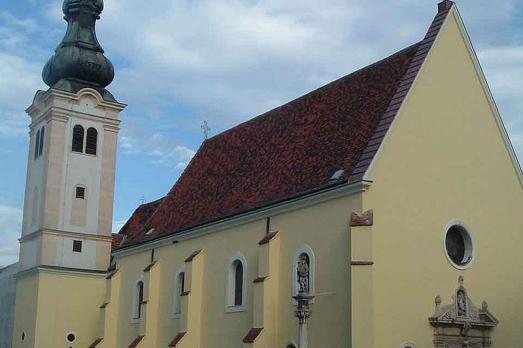
Esztergom, HU

St. Anne's Church, also called the Franciscan church, was originally built in 1224 as part of a Franciscan monastery. The present building was built after the Turkish occupation, between 1700 and 1717, making it the oldest Baroque building in the city. Its tower was built in 1753, the onion helmet only in 1837, and in 1886 a new tower was built.

Be inspired

Stupkalnis.lt

10 Buddhist stupas to discover in Europe

Stupas are symbols of enlightenment and peace that commemorate different stages of Buddha's life. Since the mid-20th century, thousands of stupas have begun to populate Europe. We have compiled some of the most impressive ones in this list.