Gasthuiskerk
Middelburg, NL
Former Roman Catholic Gasthuiskapel Sint Barbara from 1494, put into use in 1846 by the Reformed Church and in 1936 by the Christian Reformed Church. This church is listed as a National Monument of the Netherlands.

Here you can search for a building to visit. You can use the map find destinations, or you can use the filters to search for a building based upon what different criteria.
Middelburg, NL
Former Roman Catholic Gasthuiskapel Sint Barbara from 1494, put into use in 1846 by the Reformed Church and in 1936 by the Christian Reformed Church. This church is listed as a National Monument of the Netherlands.
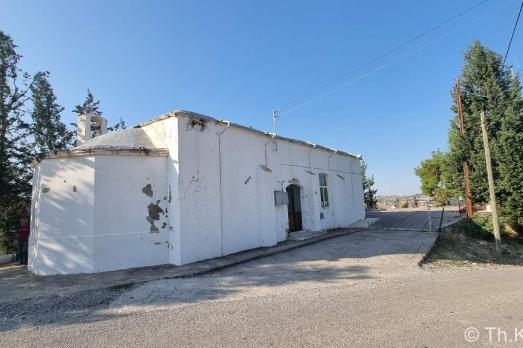
Gastria, CY
The Agios Georgios Church is located in the eastern part of the village centre. The building is in a good to fair condition. It seems to be in an alternative use. The doors were locked on the day of visit.
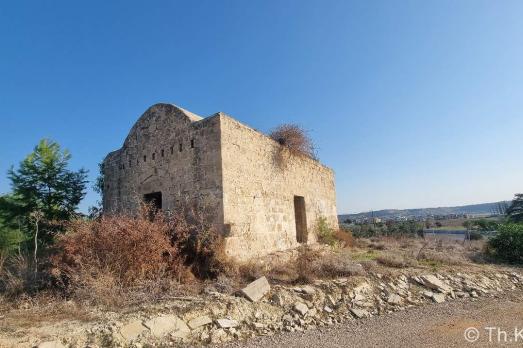
Gastria, CY
The Agios Ioannis Prodromos Church is located approx. 2 kilometre west of the village centre at the Famagusta-Karpasia main road. The church is in a poor condition, while the interior of the building is near to ruin.
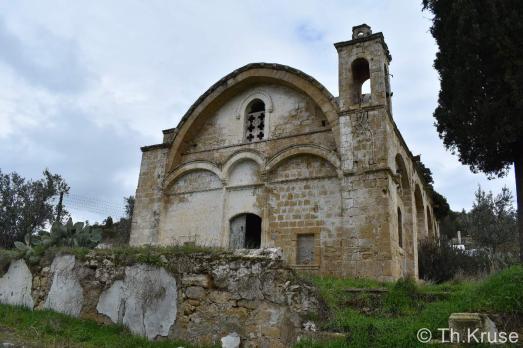
Gastria, CY
The Panagia Faneromeni church, built in the 19th century, is located in the northern area of the original centre.
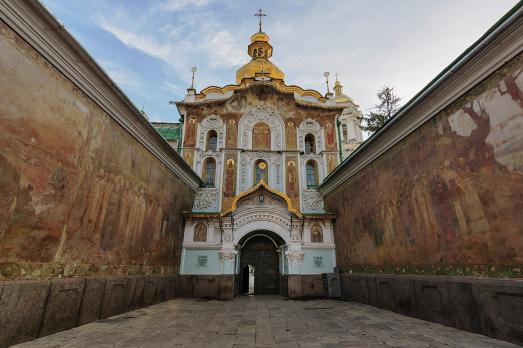
Kyiv, UA
The Trinity Gate Church is the main entrance to the Kiev Cave Lavra. It was built in the early 12th century, after which it was rebuilt several times. Originally close to the sacred buildings of the Kiev Rus' (860-1240), the Trinity Gate Church is now decorated in the Ukrainian Baroque style. The church survived the earthquake of 1230 and the Mongol invasion of 1240. However, the church was severely damaged by fire in 1718 and was restored between 1722 and 1729.
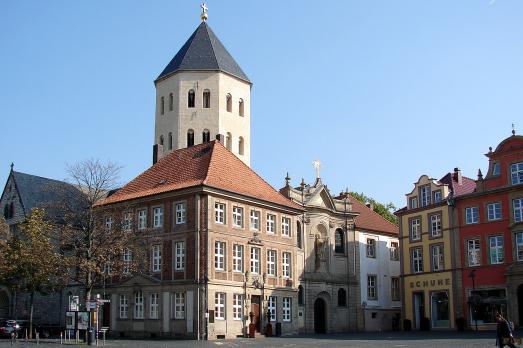
Paderborn, DE
The Gaukirche was built around 1170-80. The church became a monastery church in 1231, to which two chapels were added in the 14th century. In the 18th century, the architect Franz Christoph Nagel (1699-1764) redesigned the church in Baroque style. In 1810, at the time of the Napoleonic Kingdom of Westphalia, the monastery was secularized. Between 1883 and 1887, the church was extensively restored and the Baroque furniture was removed and fitted with neo-Gothic elements, which were themselves removed in 1938.
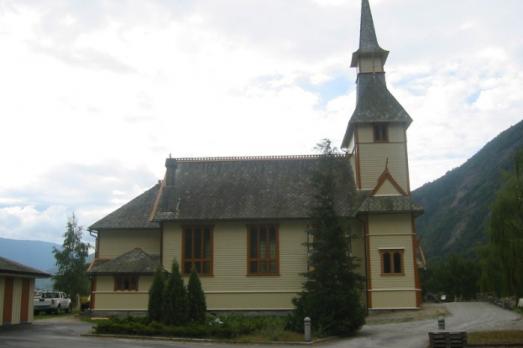
Luster, NO
The church in Gaul is a long church from 1907, designed by the architect Hans Jacob Sparre. In appearance, the church has great similarities with the Sæle de Balestrand church, which was designed by the same architect. The church replaced the former Gaupne church as the parish church of Gaupne. The old church could no longer be used as a parish church, but instead of demolishing it, the Old Church of Gaul was donated to the Society for the Preservation of Old Norwegian Monuments.
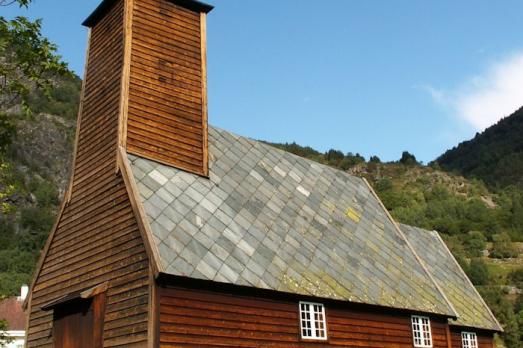
Luster, NO
The old church of Gaupne is a wooden church dating from the mid 17th century. The church has a rectangular nave and a narrower, almost square choir. The bell tower stands at the western end of the lower part. The church has richly carved side beams on the west portal, which come from the previous church on the site. In 1909, the Society for the Preservation of Ancient Norwegian Monuments took over the church. The church hall has largely retained its 17th-century character.
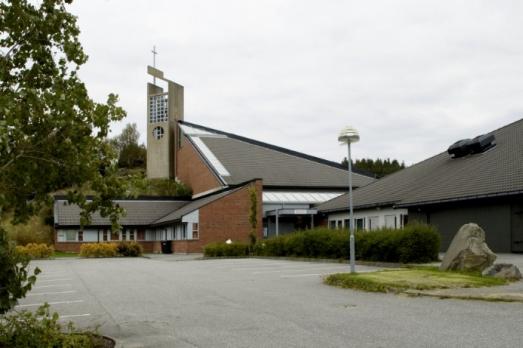
Stavanger, NO
Gausel church in Stavanger is a brick church from 1996. The church was designed by the city architect of the municipality.
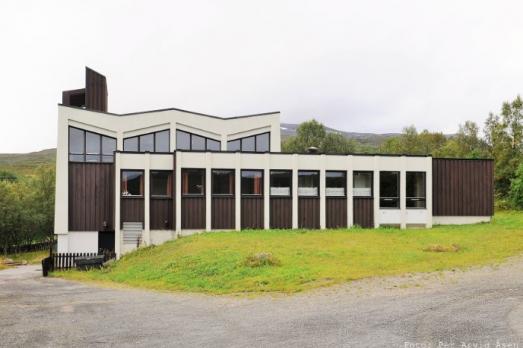
Sandtorg, NO
The Gausvik church was built of concrete and wood in 1979. Previously, a kindergarten was located on the lower floor of the church, but in 2008 it was moved to a new building adjacent to the Gausvik School.

new
For a long time, Europe was ruled by powerful monarchies. Monarchy and religion have been connected since time immemorial. Here are 7 sites across Europe where royalty historically bent the knee to a higher power and received their crown.

Stupas are symbols of enlightenment and peace that commemorate different stages of Buddha's life. Since the mid-20th century, thousands of stupas have begun to populate Europe. We have compiled some of the most impressive ones in this list.

Walter Maria Förderer (1928–2006) was a Swiss architect and sculptor renowned for his neo-expressionist church designs in the 1960s. In this list we have compiled 6 of his church designs that seamlessly integrate religious and secular elements.

How is Religiana helping to conserve and promote Religious Heritage in Europe and why should you get involved?
Find out about Religiana
Are you a tourism organisation or religious heritage sites manager? Discover the advantages of becoming a partner.
See current partners
We can keep you up to date with the latest news from Religiana and religious heritage conservation across Europe.
Sign up to the FRH newsletter