Markabygda Church
Levanger, NO
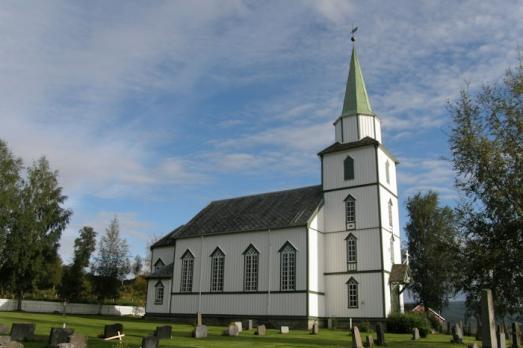
The Markabygda church is a wooden church built in 1887. The church has a long plan and was designed by the architect Ole Andresen.
Here you can search for a building to visit. You can use the map find destinations, or you can use the filters to search for a building based upon what different criteria.
Levanger, NO
The Markabygda church is a wooden church built in 1887. The church has a long plan and was designed by the architect Ole Andresen.
Clausthal-Zellerfeld, DE
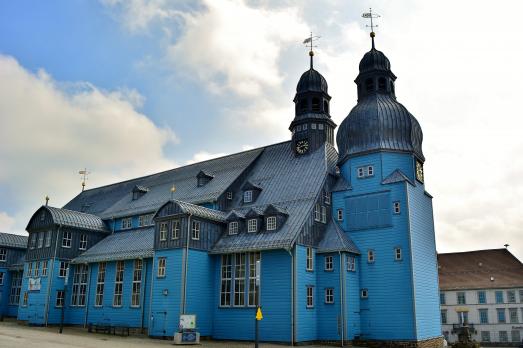
The Church of the Market of the Holy Spirit is the largest wooden church in Germany and, because of its architecture and furnishings, it is one of the most important architectural monuments of the Baroque period in North Germany. The church was built between 1639 and 1642 entirely of oak and spruce wood. The building is covered with wooden sleepers and has been repainted in its original blue colour since 2013.
Halle, DE
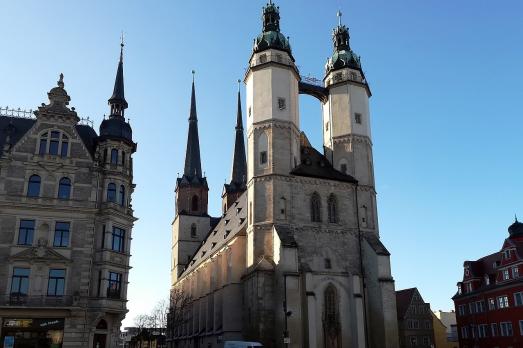
The market church of Unser Lieben Frauen, also known as the Marienkirche, was built between 1529 and 1554 from the former churches of St. Gertrude and St. Mary. The Gertrude Church dates from the 11th century and was the church of the salt workers of the Halle Valley. The Marienkirche church dates from the 12th century and was the parish church of the merchants and craftsmen of the town. The 16th-century towers were connected by a bridge for the tower keeper.
Sarajevo, BA
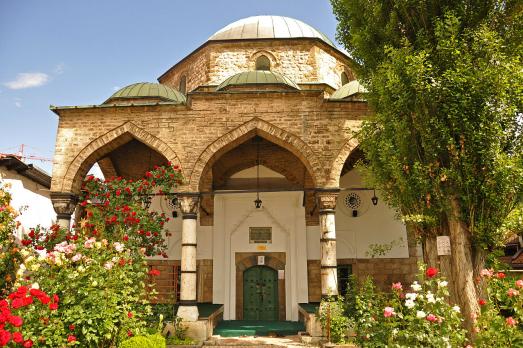
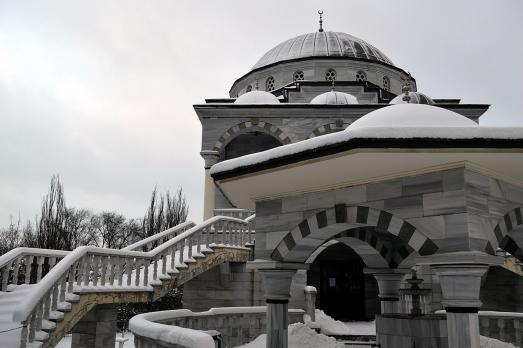
The Baščaršija mosque ("Marketplace mosque") was built in 1528. Originally, the Baščaršija mosque had a wooden dome that burned in a fire in 1697, after which the present mosque was built. In 1762, the mosque was repainted by Mehmed-pasha Muhsinović. The mosque also had to be rebuilt after the Second World War.
Marki, CY
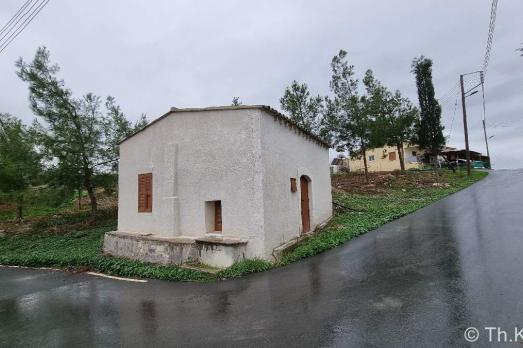
The mosque is located in the southwestern part of the old village centre. There are no information when this tiny mosque was built. On the day of visit the building was locked.
Hannover, DE
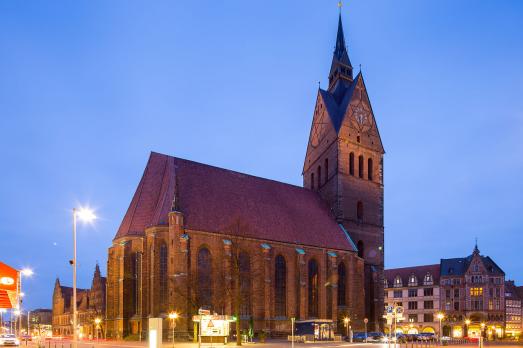
This 14th-century church is the main Lutheran church of the city of Hanover. It is the southernmost example of the North Germanic brick-gothic style and has one of the highest towers in Lower-Saxony. The roof and vaults were destroyed during an air-raid in 1943 but were restored in 1952.
Hoofddorp, NL
Characteristic Reformed church building, with crossing tower. Heavily modernized in the 1970s. In 1993 the building was named Marktpleinkerk. Extension behind church 2007.
Oslo, NO
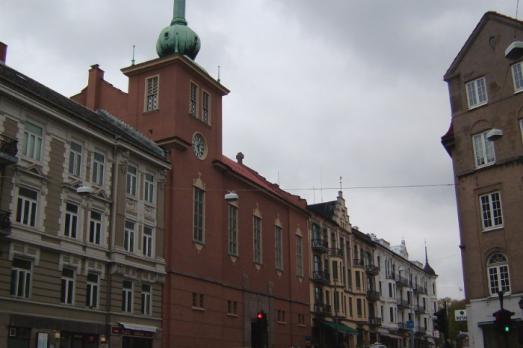
Markus' church was consecrated in 1927. It is a church with three naves on two floors, with brick facades. The church is one of the few churches in Oslo to be built in a dense neighbourhood with flat blocks on both sides. The land was a rock when the church was built, so there is a staircase going up from street level to Ullevålsveien. The main entrance is through the Schwensens gate. The architect is Sverre Knudsen, who has spent a long time in Sweden and is interested in Swedish architecture. The style is a mixture of Nordic neo-baroque (facade towards Ullevålsveien) and neoclassicism.
Markuszów, PL
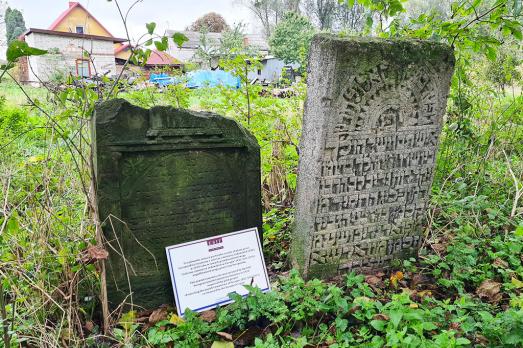
The cemetery likely was in use until the turn of the 19th century. It was enlarged around 1937 and was surrounded by a concrete fence. At the beginning of World War II the city was bombed, including the cemetery. The victims of two mass executions in 1942 and 1943 were buried at the cemetery. During the war, the matzevot were used for various purposes such as the construction of pavements, stairs, thresholds as well as other uses. This practice was continued after the war. In the 1970s, the cemetery was planted with trees, and livestock were grazed there, it also became a place where locals would build bonfires and carouses.
Marlow Bottom, GB
Marlow Bottom is home to three small Tibetan Buddhist Stupas, located at the entrance to Holyhill Wood. The stupas were hand-built by Tina Choules and her husband Michael, who resided in a remote cottage in the area, with the aim of having a space for meditation. The stupas are now part of several hiking trails across the woodland.
new
For a long time, Europe was ruled by powerful monarchies. Monarchy and religion have been connected since time immemorial. Here are 7 sites across Europe where royalty historically bent the knee to a higher power and received their crown.
Stupas are symbols of enlightenment and peace that commemorate different stages of Buddha's life. Since the mid-20th century, thousands of stupas have begun to populate Europe. We have compiled some of the most impressive ones in this list.
Walter Maria Förderer (1928–2006) was a Swiss architect and sculptor renowned for his neo-expressionist church designs in the 1960s. In this list we have compiled 6 of his church designs that seamlessly integrate religious and secular elements.