Meland Church
Alver, NO
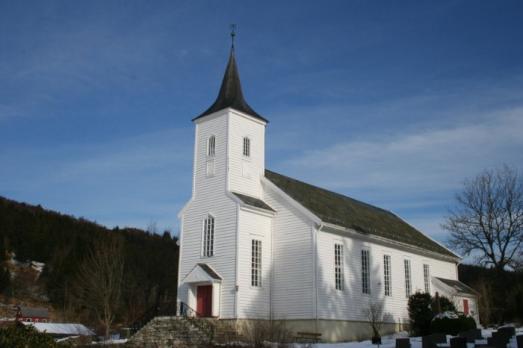
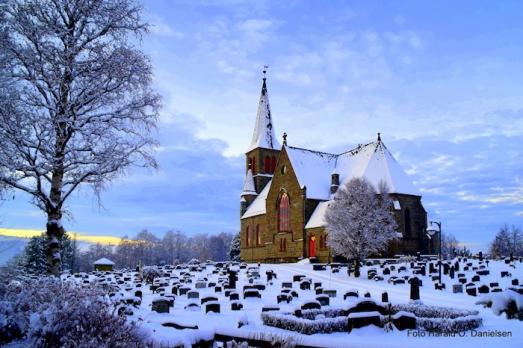
The Meland church is a long wooden church dating from 1866. It was designed by Johannes Arnesson Øvsthus and erected under the direction of the builder Askild Aase. The church of Meland is the only church in the municipality.
Here you can search for a building to visit. You can use the map find destinations, or you can use the filters to search for a building based upon what different criteria.
Alver, NO
The Meland church is a long wooden church dating from 1866. It was designed by Johannes Arnesson Øvsthus and erected under the direction of the builder Askild Aase. The church of Meland is the only church in the municipality.
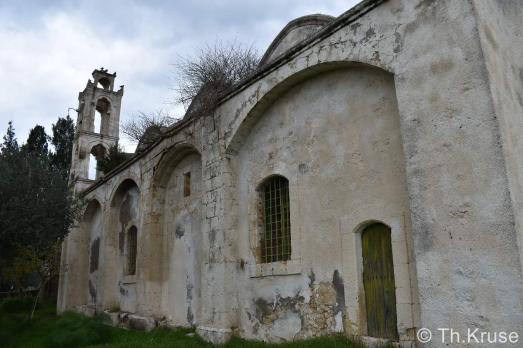
Melandra, CY
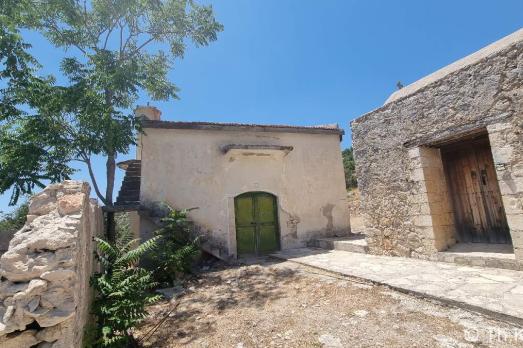
In the course of the village's history, at least two mosques existed. According to the cadastral map, the old mosque was located in the centre of the village. Nothing is known about its fate. Today there no traces of this building left. The story behind the new mosque, located at the western entrance to the village right next to the Agios Nikolaos church, is also not clear. Bagiskan mentions that this was a school building that was later reused as a mosque. Based on the construction, it seems to be a newer building, rebuilt after the severe earthquake of 1953.
Hadsel, NO
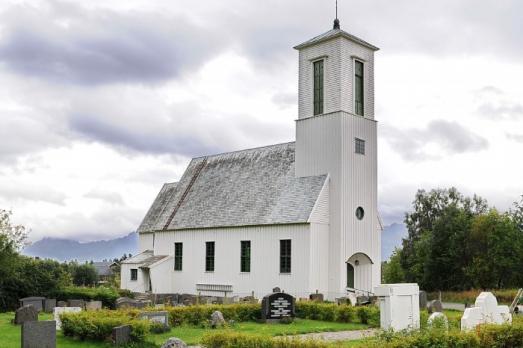
The Melbu church is a wooden church inaugurated in 1938. The architect of the church was Harald Sund. On this site, an old medieval chapel, probably in the form of a stave church, fell into disuse before 1694.
Orkland, NO
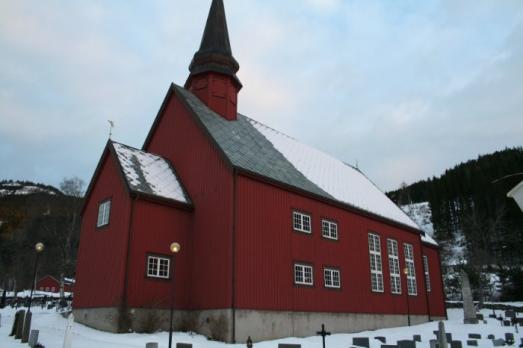
The church of Meldal is a long church dating from 1988. It was built according to the plans of the architect John Mosand after the fire of the previous church on 16 June 1981. The old church on the site dates from 1651 and was built by the builder Ole Jonsen Hindrum. The interior with baroque furniture has been recreated.
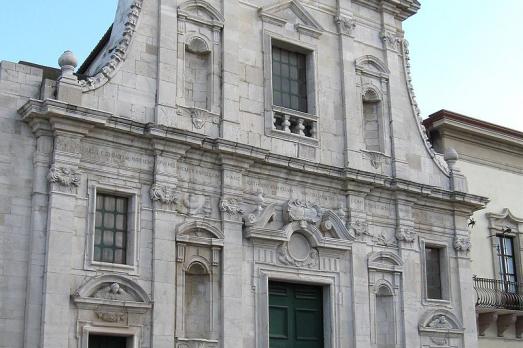
Melfi, IT
Santa Maria Assunta Cathedral was built in 1076. Unfortunately, nothing remains of this original cathedral because it was destroyed by several earthquakes. The current Baroque cathedral, with the exception of the bell tower, one of the most important monuments of Norman architecture in southern Italy, was consecrated in 1770.
Melhus, NO
The Melhus church, also known as the Gauldals Cathedral, is a stone church dating from 1892. The church is first mentioned in 1533. It is a long church which is thought to have been started just before 1150. The church was demolished in 1890, but three of the four portals were rebuilt into the present church.
Melitopil', UA
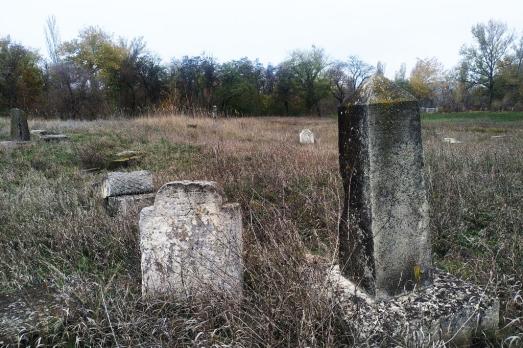
The exact period of the cemetery’s establishment is unknown. It was established no later than the late 19th century, as the earliest preserved tombstone dates to 1892.
Melk, AT
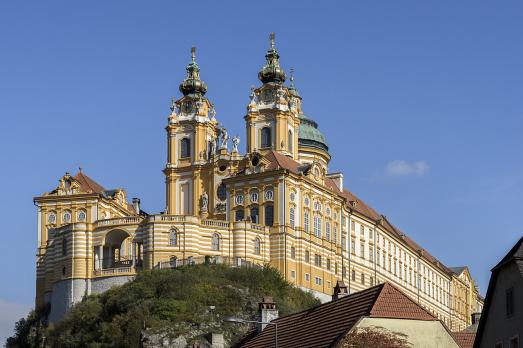
Melk Abbey was founded in 1089 when Leopold II, Margrave of Austria, donated one of his castles to the Benedictine monks of Lambach Abbey. In the 12th century, a school was founded here and the abbey library soon became famous for its extensive collection of manuscripts. In the 15th century, the monastery became the centre of the reform movement known as the "Melk Reform", which helped to invigorate monastic life in Austria and southern Germany. The present Baroque abbey was built between 1702 and 1736 by the architect Jakob Prandtauer. The abbey church with its frescoes by Johann Michael Rottmayr and the library with its innumerable medieval manuscripts are particularly impressive.
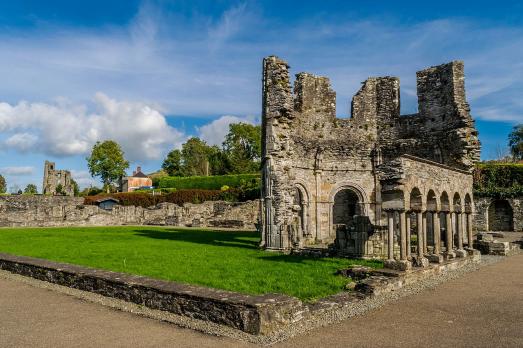
Mellifont, IE
Mellifont Abbey was founded in 1142 on the initiative of Archbishop Malachie d'Armagh and Bernard of Clairvaux as a filiation of the Clairvaux monastery. The architect, Robert, came from France. The abbey was built entirely in the Gothic style of northern France and was totally atypical for Ireland at that time. Mellifont Abbey became the model for other Cistercian monasteries in Ireland and remained the largest abbey in Ireland even after its sacking in 1494 until its suppression in 1539.
Mel’nytsya, UA
The estimated period of the cemetery’s establishment dates back to the 16th and 17th centuries, accompanying the emergence of the local Jewish community. By September 3, 1942, all the Jews of Mel’nytsya had been executed and the cemetery sites were abandoned. At least three gravestones are preserved.
new
For a long time, Europe was ruled by powerful monarchies. Monarchy and religion have been connected since time immemorial. Here are 7 sites across Europe where royalty historically bent the knee to a higher power and received their crown.
Stupas are symbols of enlightenment and peace that commemorate different stages of Buddha's life. Since the mid-20th century, thousands of stupas have begun to populate Europe. We have compiled some of the most impressive ones in this list.
Walter Maria Förderer (1928–2006) was a Swiss architect and sculptor renowned for his neo-expressionist church designs in the 1960s. In this list we have compiled 6 of his church designs that seamlessly integrate religious and secular elements.