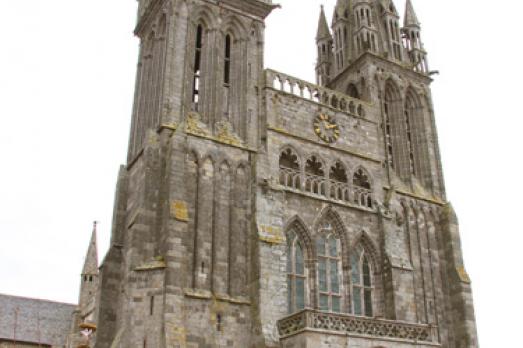
Saint-Pierre-le-Vieux Church
Saint Pierre le Vieux, FR
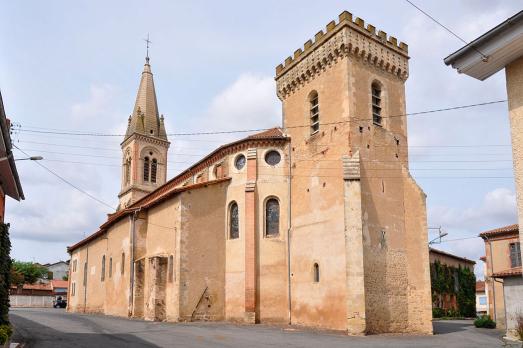
Built in the 12th century, with the nave and transept, it was enlarged in the 14th century. In the 19th century, modifications were made.
Here you can search for a building to visit. You can use the map find destinations, or you can use the filters to search for a building based upon what different criteria.
Saint Pierre le Vieux, FR
Built in the 12th century, with the nave and transept, it was enlarged in the 14th century. In the 19th century, modifications were made.
Saint-Pol-de-Léon, FR
Situated on the northern Finistère coast, Saint-Pol de Léon is a city of art and history with a monumental architectural heritage. Inherited from a time of prosperity and opulence, the monuments of the former episcopal city are of exceptional quality and constitute an essential historical centre in Brittany. St Paul Aurélien Cathedral, a true architectural jewel, bears witness to the soul and history of the land of Leon.
Saint-Quentin, FR
Building linked to the history of devotion to Saint Quentin, whose relics it contains were the object of an important cult in the Middle Ages. Its construction is contemporary with that of Notre-Dame de Paris and Soissons Cathedral.
Mathaux, FR
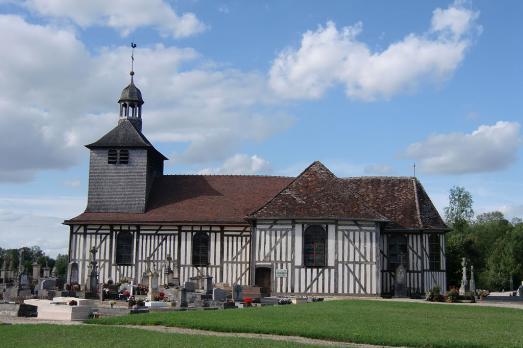
The church of Saint-Quentin de Mathaux, built in 1761, is the last building in Champagne entirely made of wood. The bell tower surprises by the imposing mass of its structure entirely covered with wooden scales and surmounted by an astonishing bell tower.
Rennes, FR
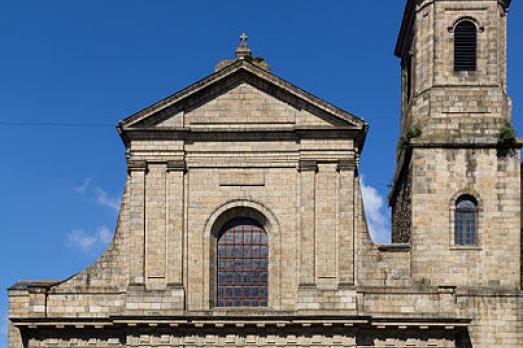
Behind its 18th-century façade in the Gesu style, this church of recollection displays numerous devotional ex-voto's, in particular one dating from the fire of 1720, and remarkable furniture such as canopies, pulpit, baptismal font and organs from the 17th and 18th centuries.
Rocamadour, FR
The building dates from between the 12th and 13th centuries and is part of an ensemble constituting a sanctuary. The site of Rocamadour is one of the most beautiful major pilgrimage sites in the Middle Ages. In the 19th century, following the dilapidation of the sanctuary, the bishops decided to restore the site entirely.
Nendaz, CH
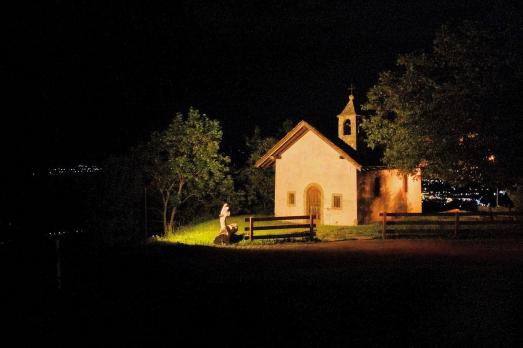
The current building of the San Sebastian chapel dates from the first half of the 17th century. The building has been restored several times, including in 1782 and 1968-1973.
Schaerbeek, BE
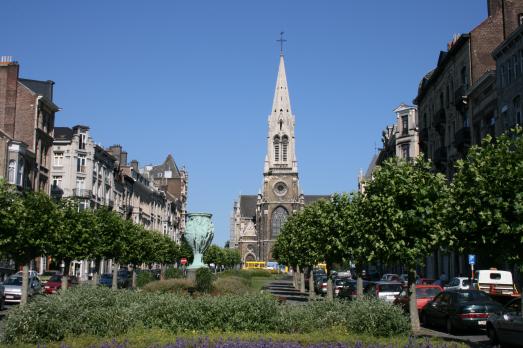
Saint-Servais church is a neo-gothic church built between 1871 and 1876. The construction was based on the plans of the architect Gustave Hansotte. The old Saint-Servais church, located below, at the level of the monumental vase on the Avenue Louis Bertrand, was only demolished in 1905. This former church, in Gothic style, was the heart of the village of Schaerbeek. The two churches coexisted for some thirty years.
Bordeaux, FR
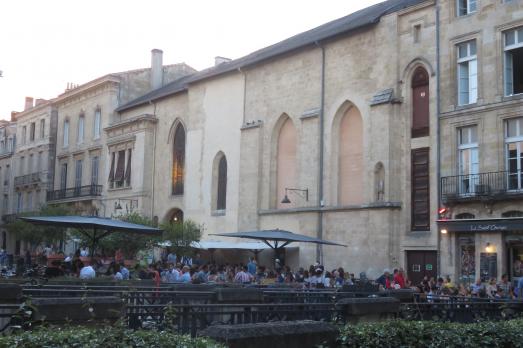
Saint-Siméon church is a Gothic building built between the 14th and 17th centuries. Disused during the French Revolution, it was used for various activities and has recently become an independent cinema.
Vleteren, BE
The Abbey of St Sixtus in Westvleteren was founded in 1831. First dependent on Westmalle Abbey, Saint-Sixte was elevated to the rank of an abbey in 1871. This abbey, inhabited by Trappist monks, is famous for its brewery founded in 1838.
new
For a long time, Europe was ruled by powerful monarchies. Monarchy and religion have been connected since time immemorial. Here are 7 sites across Europe where royalty historically bent the knee to a higher power and received their crown.
Stupas are symbols of enlightenment and peace that commemorate different stages of Buddha's life. Since the mid-20th century, thousands of stupas have begun to populate Europe. We have compiled some of the most impressive ones in this list.
Walter Maria Förderer (1928–2006) was a Swiss architect and sculptor renowned for his neo-expressionist church designs in the 1960s. In this list we have compiled 6 of his church designs that seamlessly integrate religious and secular elements.