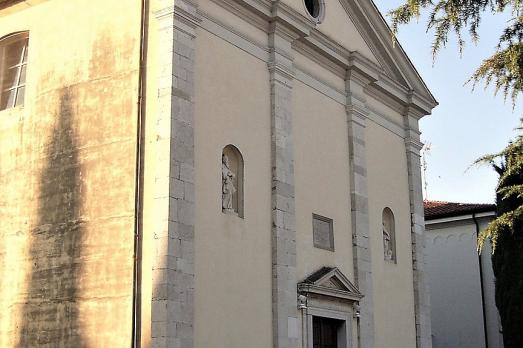
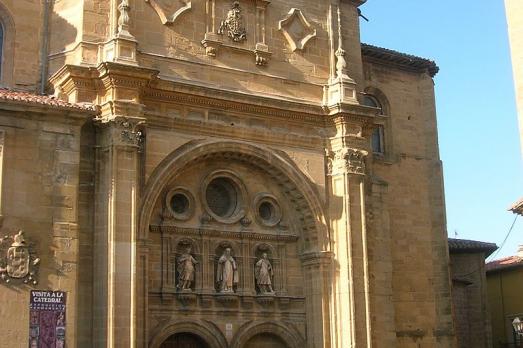
Santo Domingo Monastery
A Coruña, ES
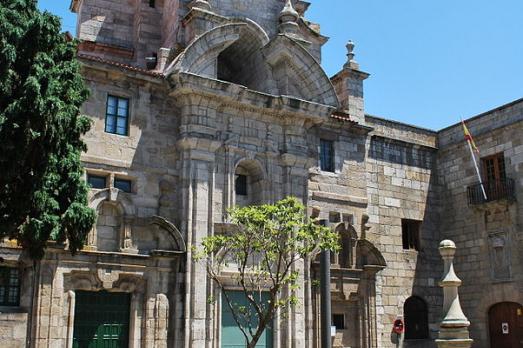
The convent of San Domingos is a convent of the Dominican Order built in the 13th century. It was destroyed by the English in 1589 and finally rebuilt in the 17th century in a Baroque style.
Here you can search for a building to visit. You can use the map find destinations, or you can use the filters to search for a building based upon what different criteria.
A Coruña, ES
The convent of San Domingos is a convent of the Dominican Order built in the 13th century. It was destroyed by the English in 1589 and finally rebuilt in the 17th century in a Baroque style.
Cellino Attanasio (TE), IT
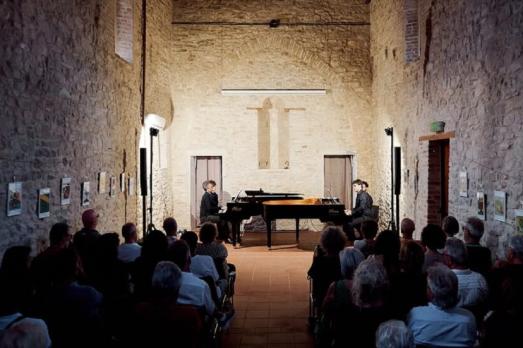
Santo Spirito Hub is a cultural and creative center located in the historic former church of Santo Spirito in Cellino Attanasio (Teramo; Abruzzo; Italy). It offers a multifunctional space for concerts, workshops, exhibitions, and community events, alongside a coworking area and tourist info point. Born from the REVIVE project, it connects heritage and innovation, bringing new life to the town through culture, collaboration, and shared experiences.
Camaleño, ES
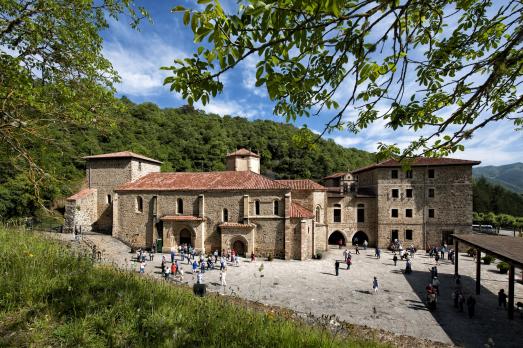
Monastery built between the VI-XVII centuries ruled by the Franciscan order. The construction has an obscure origin during the reign of Alfonso I, who during the Reconquest period, repopulated the Lebanese lands. This monastery had in the first place the name of San Martín Turieno, which over time would take the name of Santo Toribio. After keeping the territory out of the hands of the Muslims, this work received the remains of Santo Toribio de Astorga and other relics such as the Lignum Crucis, the largest piece of the cross of Christ.
Roma, IT
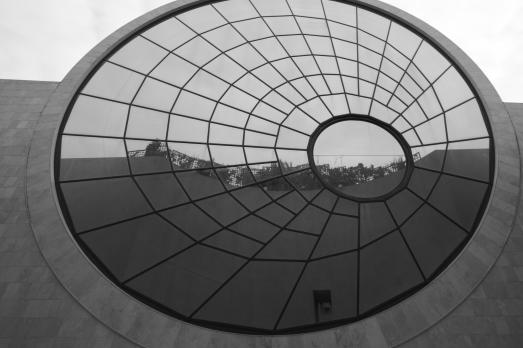
The Santo Volto di Gesù Church, built between 2003 and 2006, is one of the most successful examples of modern religious architecture in Rome. The building is based on a project by architects Piero Sartogo and Nathalie Grenon.
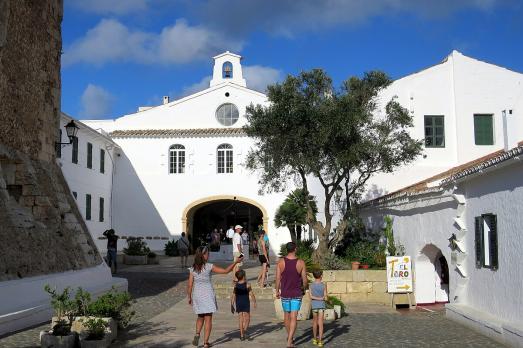
Es Mercadal, ES
The sanctuary of the Virgin of the Bull, also known as the sanctuary of the Virgin of the Bull, is a church in the municipality of Des Mercadal, in Menorca.
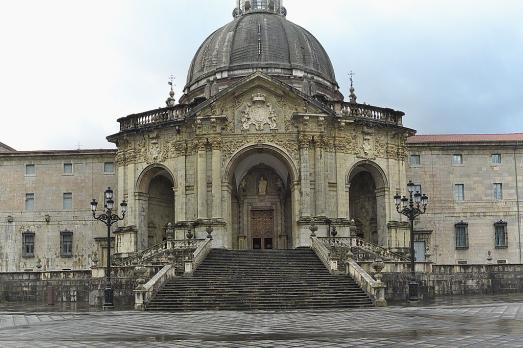
Loyola, ES
The sanctuary and basilica of Loyola is a Baroque religious complex built around the birthplace of Ignacio de Loyola (1491-1556), founder of the Society of Jesus, known as the Jesuit. When, in the 17th century, the tower house where he was born was given to the Jesuits, they began to build a religious complex there. The current sanctuary was built in the 18th and 19th centuries.
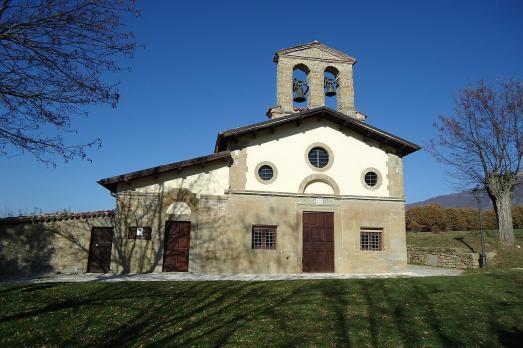
Amatrice, IT
The sanctuary of the Icona Passatora was built around 1480 to incorporate a small aedicula called "Madonna di Canalicchio", named after the locality. According to tradition, the image dates back to the beginning of the 14th century and was considered "miraculous" because it dispensed graces. The interior of the church, which contains frescoes by local artists, has remained practically unchanged from the end of the 15th century to the present day.
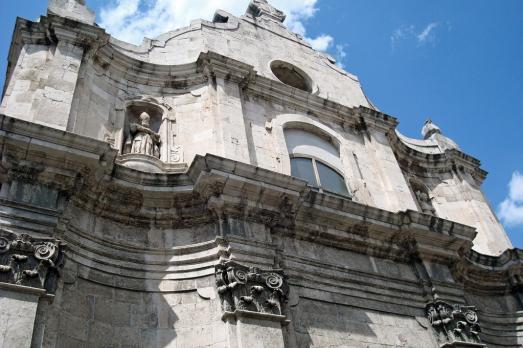
San Severo, IT
The Sanctuary of the Holy Virgin of the Succession, also known as the Church of St. Augustine, was built in the 12th century and became the seat of the Augustinian fathers, who added a monastery, attested to as early as 1319. Completely renovated between 1750 and 1759, the church was enriched in 1780 with an elegant stone façade by Pietro and Gregorio Palmieri.
Monfalcone, IT
The Sanctuary of the Holy Virgin Marcelliana was built between 1841 and 1844 on an old medieval church. In 1939, the Franciscan monastery was built next to the church. After the Second World War, due to the increase in the population of the village of Panzano, the parish of the Madonna Marcelliana was created.
Turin, IT
The sanctuary of the Consolata, or Church of Santa Maria della Consolazione, is one of the oldest places of worship of Turin. It is now used by the Consolata Missionaries congregation.
new
For a long time, Europe was ruled by powerful monarchies. Monarchy and religion have been connected since time immemorial. Here are 7 sites across Europe where royalty historically bent the knee to a higher power and received their crown.
Stupas are symbols of enlightenment and peace that commemorate different stages of Buddha's life. Since the mid-20th century, thousands of stupas have begun to populate Europe. We have compiled some of the most impressive ones in this list.
Walter Maria Förderer (1928–2006) was a Swiss architect and sculptor renowned for his neo-expressionist church designs in the 1960s. In this list we have compiled 6 of his church designs that seamlessly integrate religious and secular elements.