Explore Religious Heritage Across Europe

Here you can search for a building to visit. You can use the map find destinations, or you can use the filters to search for a building based upon what different criteria.

Refine search

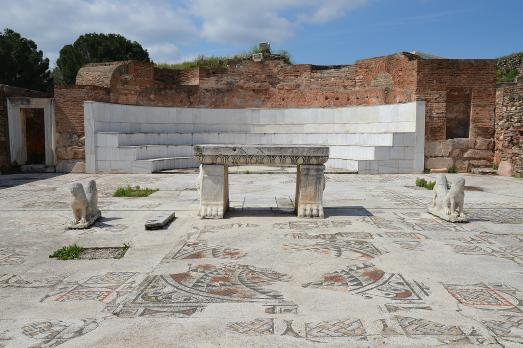
Sardis Synagogue

Sardis Synagogue

Sardis, TR

The Synagogue of Sardis was built in the late 3rd century under the rule of King Antiochus III. The ruins of the Synagogue of Sardis were discovered in 1962 during archaeological excavations conducted by the Harvard-Cornell Sardis Expedition.

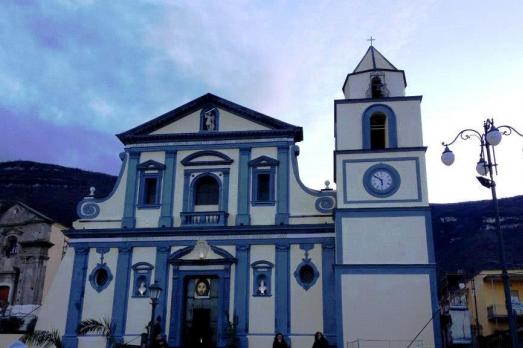
Sarno Cathedral

Sarno Cathedral

Sarno, IT

Sarno Cathedral dates back to the 17th century. Inaugurated in 1627, it suffered considerable damage during the eruption of Vesuvius in 1631 and has since undergone numerous restorations.

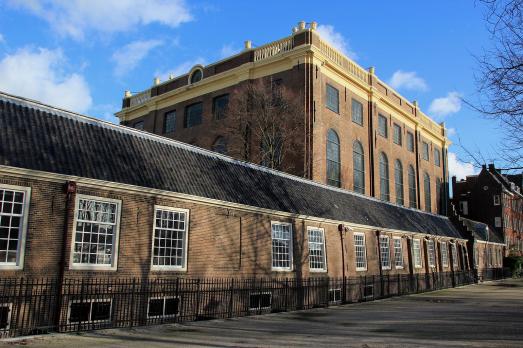
Saronkerk

Oostkapelle, NL

In 1986 it was decided not to restore the old church building of the Reformed Church in Oostkapelle, but to build a new one.

Şaroş pe Târnave Fortified Church

Şaroş pe Târnave Fortified Church

Şaroş pe Târnave, RO

Şaroş could probably pride itself during the 14th century with a large community who was able to build such an imposing three-aisles Gothic basilica. Similar to all fortified churches, this one too was subject to a great number of changes over the course of time. Out of spatial and security reasons, the main nave and chancel were fortified, the side aisles were demolished and the bell tower was built on the western side during the 16th century and was also provided with a battlement walk on wooden consoles. Considering the constructive measures as well as the details, the fortified church shows many similarities to the Evangelic Cathedral in Sibiu. Equally remarkable is the so-called “round bastion”, actually the remains of a Romanesque chapel.

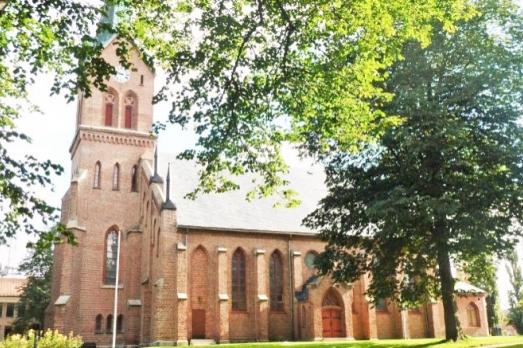
Sarpsborg Church

Sarpsborg Church

Sarpsborg, NO

Sarpsborg Church, which was consecrated in 1863, is a typical long church of unpainted red brick, with a tower to the west, a five-sided choir to the east and a relatively low, wide nave. The roof is covered with slate. The church, built according to the plans of Chr. H. Grosch, was erected on parts of the walls after the previous church on the site, which lasted only two years before it was burnt down in 1861.

Sarsina Cathedral

Sarsina Cathedral

Sarsina, IT

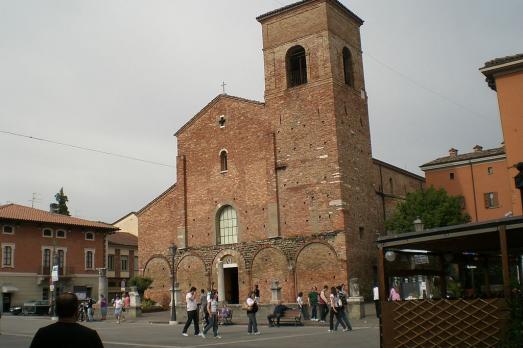
Sarsina Cathedral was probably built in the 10th century in the Romanesque style, but its facade remains unfinished. The lunette above the entrance portal shows a modern mosaic depicting Saint Vicinius. Chapels were added to the interior in the 16th and 17th centuries.

Sarzana Cathedral

Sarzana Cathedral

Sarzana, IT

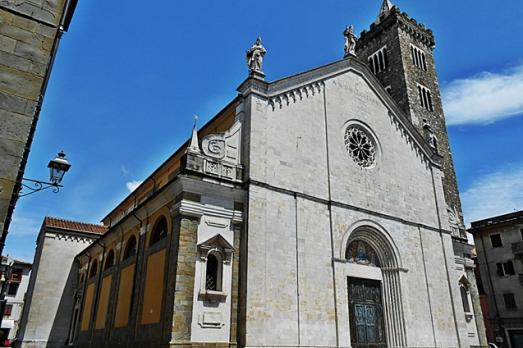
Sarzana Cathedral was built in a mixture of Romanesque and Gothic styles, which reflects the length of its construction, which extends from the beginning of the 13th century to the end of the 15th century. The cathedral is known to house a relic of the apostle Andrew and the blood of Christ. It also houses an important Romanesque crucifix by the master Guglielmo dating back to 1138.

Saschiz Fortified Church

Saschiz Fortified Church

Saschiz, RO

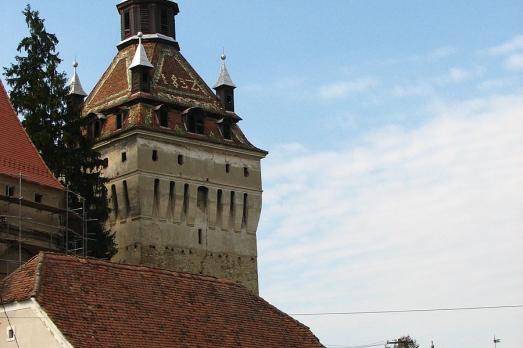
The late Gothic aisle-less church was built between 1493 and 1525 replacing a Romanesque basilica. It was provided with a defence level sustained by high buttresses and extended over the nave and the chancel, which is only a little less narrow than the nave. The lierne vault of the nave was reconstructed in 1878. The interior furnishing is mainly Baroque, except the Gothic pew in the chancel, which is richly decorated with carvings. On the exterior walls fragments of writings were preserved. From the initial defence wall only the northern tower is still preserved. In 1677 it was provided with a distinctive spire, similar to the clock tower of Sighişoara.

Sasovo Jewish Cemetery

Sasovo Jewish Cemetery

Sasovo, UA

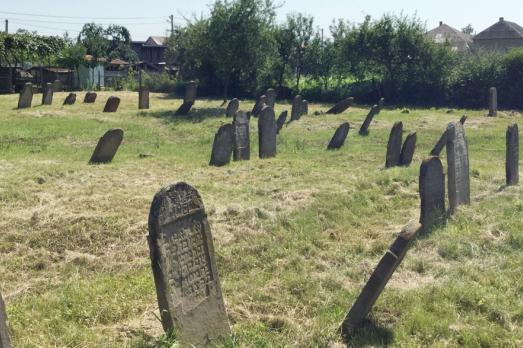
The exact period of the cemetery’s establishment is not known, but it can be assumed that it cemetery emerged in the 19th century. The oldest preserved gravestone dates to the early 19th century. The cemetery appears on cadastral maps of 1865.

Sassari Cathedral

Sassari Cathedral

Sassari, IT

The cathedral of Sassari dates back to the XII century, but it stands on a pre-existing palaeochristian building, whose remains are visible under the present apse. The church was rebuilt in the 13th century in the Pisan Romanesque style. Between 1435 and 1518 it was radically renovated in the Catalan Gothic style, following the transfer of the Bishop's pulpit from Porto Torres to Sassari in 1441, the year in which the parish church of San Nicola was raised to the rank of cathedral. Between the 17th and 18th centuries, the present façade of the cathedral was built in Baroque style.

Be inspired

Stupkalnis.lt

10 Buddhist stupas to discover in Europe

Stupas are symbols of enlightenment and peace that commemorate different stages of Buddha's life. Since the mid-20th century, thousands of stupas have begun to populate Europe. We have compiled some of the most impressive ones in this list.