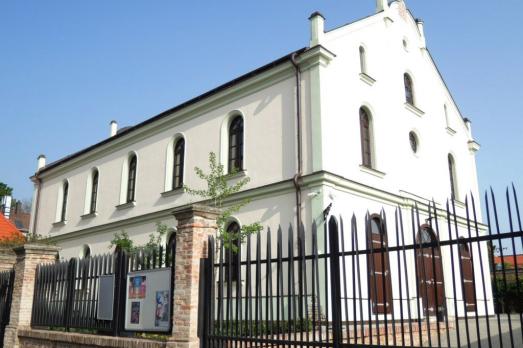
Orthodox Synagogue in Trnava
Trnava, SK
The Orthodox Synagogue in Trnava was completed in 1892, restored in 2016. In use until the 1950s, this brick synagogue now serves as an art centre.

Here you can search for a building to visit. You can use the map find destinations, or you can use the filters to search for a building based upon what different criteria.
Trnava, SK
The Orthodox Synagogue in Trnava was completed in 1892, restored in 2016. In use until the 1950s, this brick synagogue now serves as an art centre.
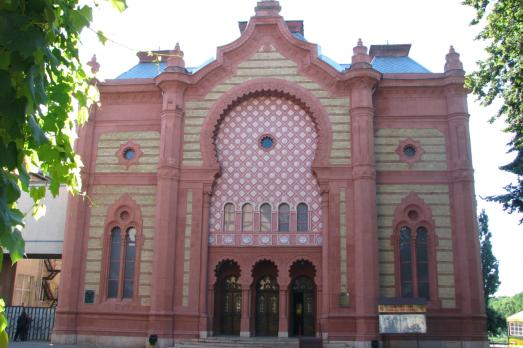
Uzhhorod, UA
The Orthodox Synagogue in Uzhhorod was completed in 1904 by architects Dula Papp and Ferenc Szabolcsi (Grósz). This Hungarian Secessionist brick building is now a theater.
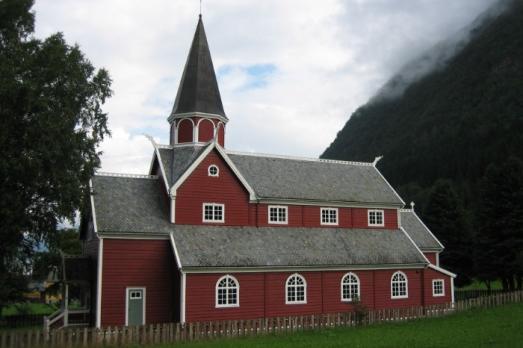
Bjordal, NO
Ortnevik Church, formerly Ortnevik Chapel, is a red-painted church dating from 1925. The building is made of wood and is built in the "dragon style". The architect and builder was Lars Norevik who lived in the village.
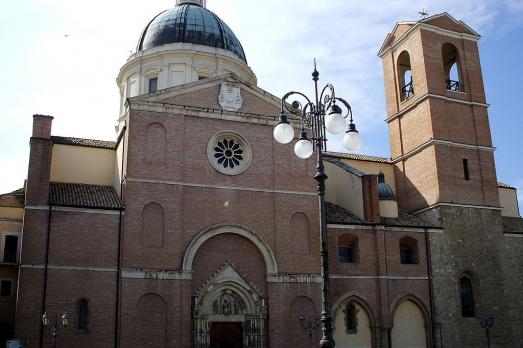
Ortona, IT
The Basilica of the Apostle Saint Thomas, or Ortona Cathedral, dates back to the early Christian period but has been rebuilt and re-sacred several times. The building suffered a fire and was destroyed by the troops of the Ottoman Admiral Piali Pacha in the summer of 1566. Four years later, the temple was dedicated to the apostle St. Thomas and was raised to the rank of a cathedral. It was last re-inaugurated in 1949, after being destroyed during the Second World War.
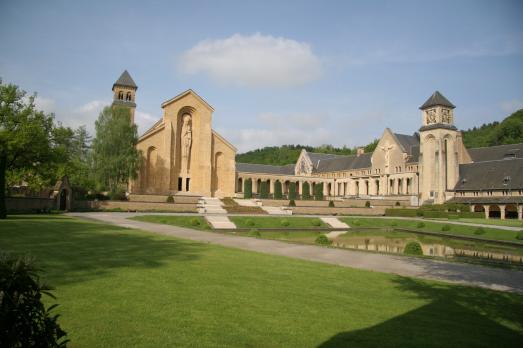
Florenville, BE
Notre-Dame d'Orval Abbey, generally called Orval Abbey, is a Trappist monastery. Founded by the Benedictines in the 11th century, it was attached to the Order of Cîteaux in 1131. Secularized at the end of the 18th century, the buildings were then abandoned. In 1926, the monastery was rebuilt and in 1936, the monastery regained its status as an abbey. The abbey is known for its brewery, which has been operational since 1931.
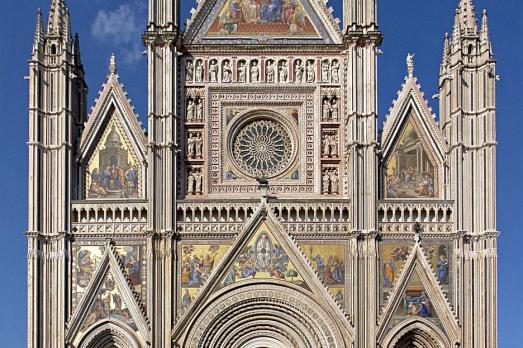
Orvieto , IT
Named after the Virgin Mary of the Assumption, the Orvieto Cathedral represents one of the artistic masterpieces of the late Italian Middle Ages. Incorporating glittering mosaics on its golden facade with gothic niches with life-size sculpted figures.
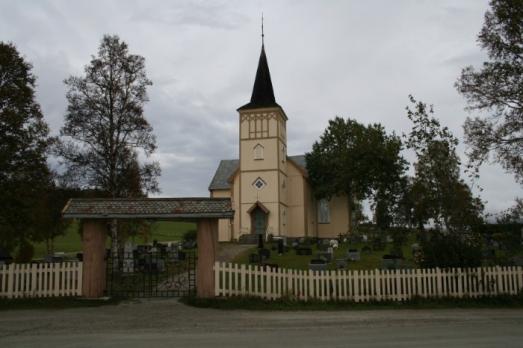
Os, NO
The Os church is a typical cruciform church in a panelled loft, built in 1862 according to the drawings of H. P. Holtermann. The builder was Jon Eriksen Berg. The bell tower of the church, which was originally higher, was knocked down in 1876 and then rebuilt in a lower form.
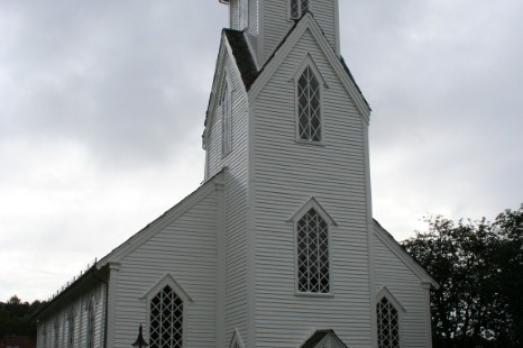
Os, NO
The church of Os is a long church dating from 1870. The first mentioned church in Os, probably a stave church, is from the 14th century. This church was replaced by a wooden church built in 1624. As the population of the parish had increased considerably in the 19th century, a new church law was introduced in 1851, which required that each church building should accommodate at least 30% of the parish's inhabitants. As a result, instead of renovating the old church, it was decided to build a completely new church.
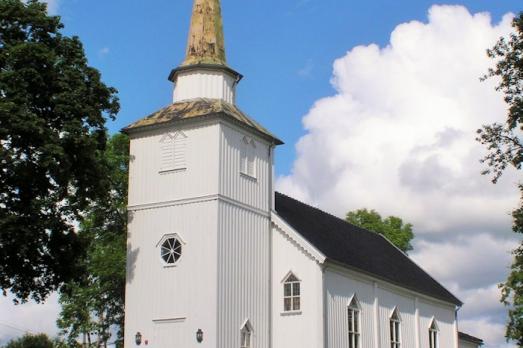
Rakkestad, NO
The Church of Os is an annex church of the parish of Rakkestad, built in 1836. Os was a church site in the Middle Ages, but the first description of the building dates from 1688. During the 18th century, the church fell into ruins, and it was demolished and rebuilt around 1770. According to the archives, it is not clear whether the new building is a new construction or simply a repair of the old church.
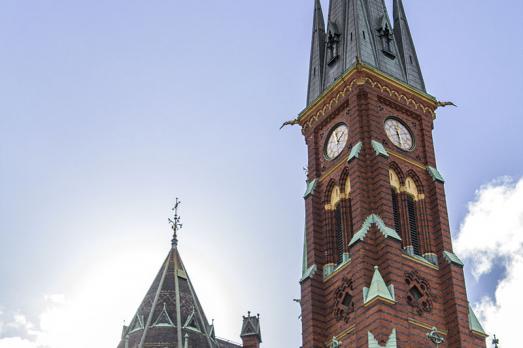
Göteborg, SE
Oscar Fredriks Church was built in the 1890s in the neo-Gothic style. The church has since been rebuilt three times: in 1915, 1940 and 1974. The interior is uniform in lush greenish colours.

new
For a long time, Europe was ruled by powerful monarchies. Monarchy and religion have been connected since time immemorial. Here are 7 sites across Europe where royalty historically bent the knee to a higher power and received their crown.

Stupas are symbols of enlightenment and peace that commemorate different stages of Buddha's life. Since the mid-20th century, thousands of stupas have begun to populate Europe. We have compiled some of the most impressive ones in this list.

Walter Maria Förderer (1928–2006) was a Swiss architect and sculptor renowned for his neo-expressionist church designs in the 1960s. In this list we have compiled 6 of his church designs that seamlessly integrate religious and secular elements.

How is Religiana helping to conserve and promote Religious Heritage in Europe and why should you get involved?
Find out about Religiana
Are you a tourism organisation or religious heritage sites manager? Discover the advantages of becoming a partner.
See current partners
We can keep you up to date with the latest news from Religiana and religious heritage conservation across Europe.
Sign up to the FRH newsletter