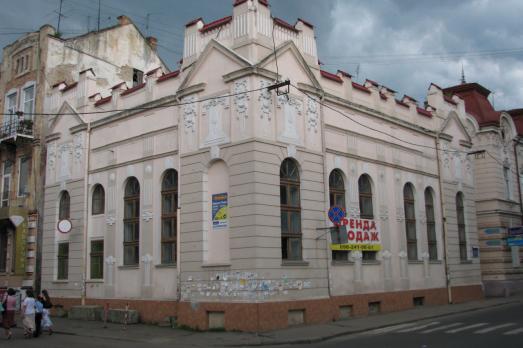
Osei Hesed Progressive Synagogue in Drohobych
Drohobych, UA
The Osei Hesed Progressive Synagogue in Drohobych was completed in 1909. This Secessionist style brick building now serves as a sport facility.

Here you can search for a building to visit. You can use the map find destinations, or you can use the filters to search for a building based upon what different criteria.
Drohobych, UA
The Osei Hesed Progressive Synagogue in Drohobych was completed in 1909. This Secessionist style brick building now serves as a sport facility.
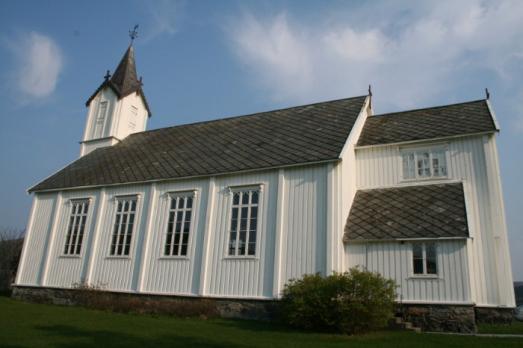
Osen, NO
Osen church is a wooden church completed in 1877. The architect of the church was Håkon Thorsen.
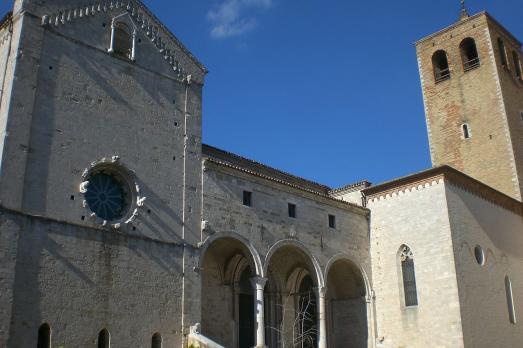
Osimo, IT
The Cathedral of Osimo was erected in the 8th century on the site of a former pagan temple dedicated to the Greek mythological figures Asclepius and Hygieia. The cathedral is dedicated to Saint Leopard, the first bishop of the city (5th century). The cathedral is in the Romano-Gothic style and is made of white stone.
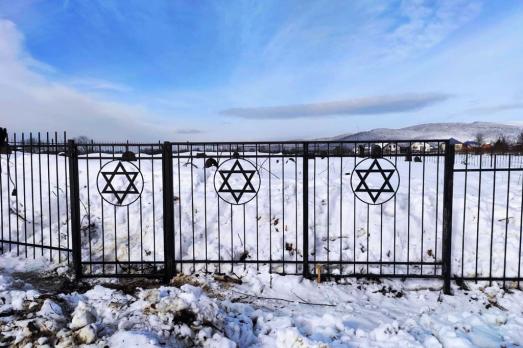
Osiy, UA
The Jewish cemetery in Osiy was not marked on the cadastral map of 1865. Presumably, it was established at the end of the 19th century according to epigraphic data, with the oldest gravestone dating back to 1881.
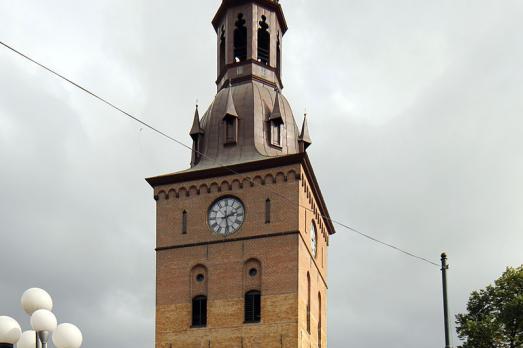
Oslo, NO
Oslo Cathedral was consecrated in 1697 and was then called Our Saviour's Church. Built of stone mixed with brick, it is a cruciform church with a chancel in the east and a bell tower in front of the western cross arm. The tower was raised in 1850. In 1937 some of the neo-Gothic elements added in the 19th century were removed from the church hall, including the ceiling ribs, and Hugo Lous Mohr painted the distinctive ceiling pictures that can be found in the church today. As a "national church", it is used by the royal family and the state for official purposes.
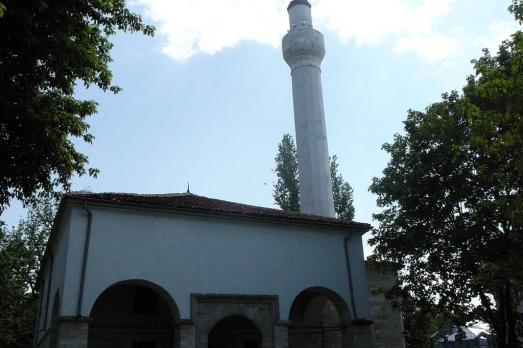
Vidin, BG
It is a massive stone building with strictly oriented architecture. The minaret of the mosque ends with stylized triangle instead of the usual Islamic crescent. It is probably an inverted heart as a symbol for unrequited love. According to the old tradition, due to the different religious confession, people in the town of Vidin used to have their feelings misunderstood by each other, which impeded the town's development. Among the unease, Osman Pazvantoglu had an inclusive love towards his Christian neighbors, so the moque he built was also nicknamed as the "Heart Mosque".
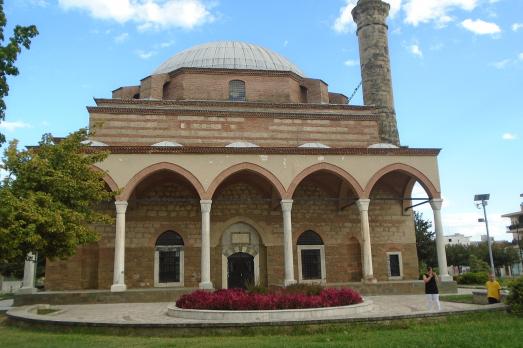
Trikala , GR
This is the only remaining mosque of at least 8 that the traveller and chronicler Evliya Çelebi described in the 17th century on his visit to Trikala.
Lelystad, NL
Turkish mosque.
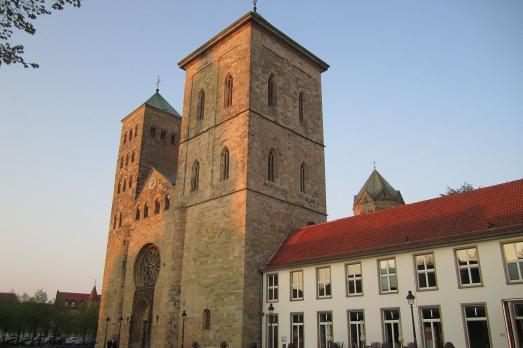
Osnabrück, DE
Osnabrück Cathedral was founded in 785, fifteen years after Charlemagne founded the bishopric. After its destruction by the Normans in 890, it was restored. The damage caused by fire in 1254 required considerable repairs, the vault of the passage was rebuilt and the pillars of the passage were reinforced. The rectangular choir begun later was completed in 1270, and the new high altar was consecrated in 1277. However, the ambulatory and the Lady Chapel were not added until 150 years later, between 1434 and 1444. Between 1454 and 1482, Bishop Konrad III had the entire building renovated. Until around 1500, the cathedral had two Western Romanesque towers of the same size. From 1509 to 1544, the south tower was replaced by the larger Gothic tower of today, which was given a high pyramidal pointed roof. Alexander Behnes, who was responsible for the preservation of the building from 1882 to 1910, made several modifications and additions.
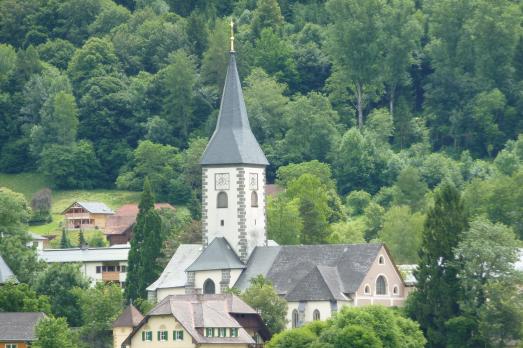
Ossiach, AT
This was the first Benedictine abbey founded in the medieval Duchy of Carinthia.

new
For a long time, Europe was ruled by powerful monarchies. Monarchy and religion have been connected since time immemorial. Here are 7 sites across Europe where royalty historically bent the knee to a higher power and received their crown.

Stupas are symbols of enlightenment and peace that commemorate different stages of Buddha's life. Since the mid-20th century, thousands of stupas have begun to populate Europe. We have compiled some of the most impressive ones in this list.

Walter Maria Förderer (1928–2006) was a Swiss architect and sculptor renowned for his neo-expressionist church designs in the 1960s. In this list we have compiled 6 of his church designs that seamlessly integrate religious and secular elements.

How is Religiana helping to conserve and promote Religious Heritage in Europe and why should you get involved?
Find out about Religiana
Are you a tourism organisation or religious heritage sites manager? Discover the advantages of becoming a partner.
See current partners
We can keep you up to date with the latest news from Religiana and religious heritage conservation across Europe.
Sign up to the FRH newsletter