Explore Religious Heritage Across Europe

Here you can search for a building to visit. You can use the map find destinations, or you can use the filters to search for a building based upon what different criteria.

Refine search

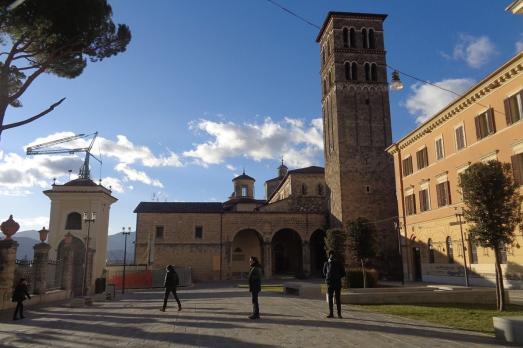
Cattedrale di Santa Maria Assunta

Cattedrale di Santa Maria Assunta

Rieti, IT

The Cathedral of Santa Maria Assunta dates back to at least the sixth century, but the oldest part of the cathedral, the crypt, dates back to the 12th century. In the 12th and 13th centuries, the city of Rieti enjoyed a period of splendour and economic prosperity and was often chosen as the papal seat: within a century, five popes resided there. The main part of the building was consecrated on 9 September 1225 by Pope Honorius III, while the bell tower was erected in 1253 by the Lombard masters Pietro, Andrea and Enrico. The presence of the papal curia in the city also necessitated the construction of the Papal Palace, built between 1283 and 1288 next to the cathedral. Following the earthquake of October 1785, the apse had to be demolished; it was then rebuilt and the dome was erected between 1794 and 1795.

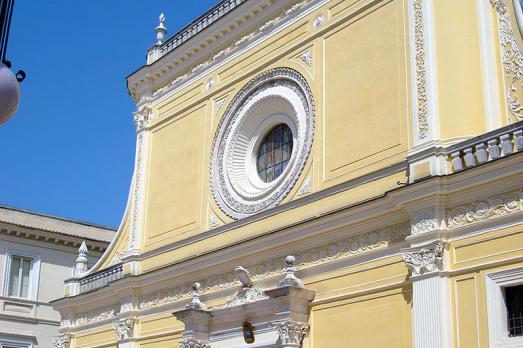
Cattedrale di Santa Maria Assunta

Cattedrale di Santa Maria Assunta

San Severo, IT

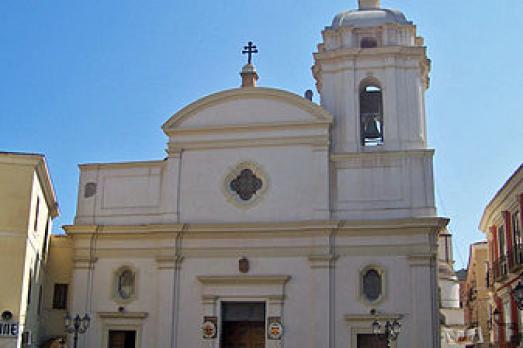
The Cathedral of Santa Maria Assunta was founded in the 11th century, but most of the present building dates from the 18th century. The only medieval remains are the large rose window, two single lancet stone windows on the left side and the stone baptismal font, now located near the main portal. The present façade was built in 1872, while the imposing bell tower, restored in 2006, dates from the 18th century.

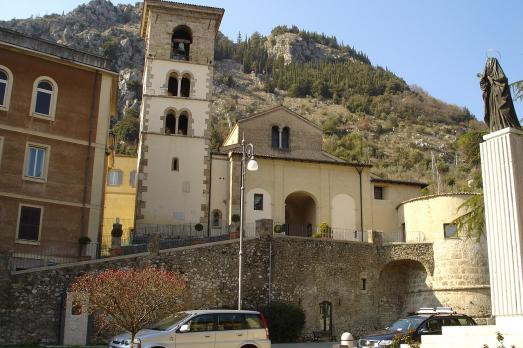
Cattedrale di Santa Maria Assunta

Cattedrale di Santa Maria Assunta

Sora, IT

The Cathedral of Santa Maria Assunta dates from the 11th century. In 1229, Sora was destroyed by Emperor Frederick II, but the emperor ordered in his will that Sora Cathedral be rebuilt at the expense of the royal treasury. The cathedral was rebuilt and opened for worship in 1305. Damaged by the earthquake of 13 January 1915, the cathedral was further destroyed by fire a year later. Only the massive, square stone walls remained standing.

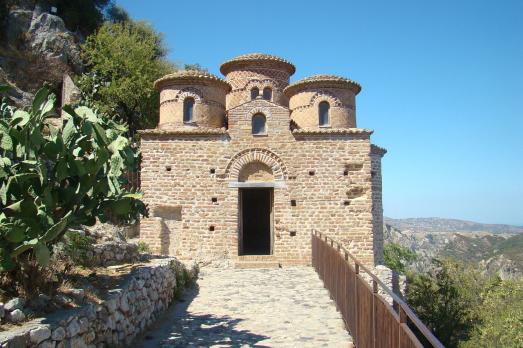
Cattolica di Stilo

Cattolica di Stilo

Stilo, IT

The Cattolica is a small Byzantine church built in the 10th and 11th centuries. The name Cattolica was to designate a category of "privileged churches", the term "katholikì" was given only to churches with baptismal fonts. Subjected to the Byzantine Empire until the 11th century, Calabria today preserves many testimonies of oriental art, the Cattolica is a good example.

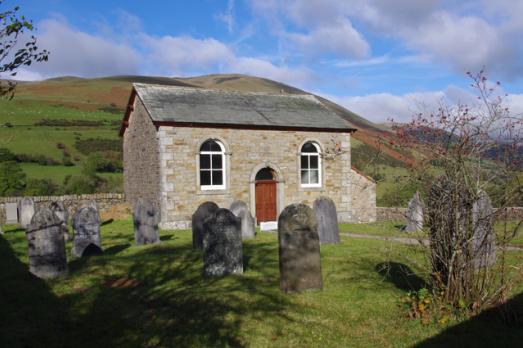
Cautley Chapel

Cautley Chapel

Sedbergh, GB

Striking in its symmetry with its central round headed doorway flanked by matching round headed windows, Cautley Wesleyan chapel is a good example of its type and date.

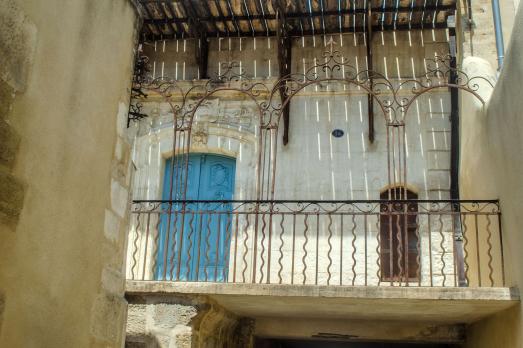
Cavaillon Synagogue

Cavaillon Synagogue

Cavaillon, FR

Built in the late middle ages to the 15th century the Synagogue in Cavaillon is one of the oldest French synagogues. The building was reconstructed between 1772 and 1774. The Synagogue was constructed in a rococo style with a mix of Jewish and Provençale culture.

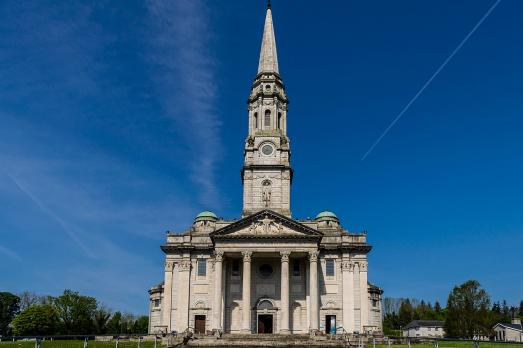
Cavan Cathedral

Cavan Cathedral

, IE

St. Patrick-and-St. Felim Cathedral in Cavan is a Catholic cathedral built from 1938 to 1942. The cathedral was built in a neo-classical style by John Sisk & Son, under the direction of the architectural firm W.H. Byrne & Son. The Roman Catholic Church did not officially have a cathedral for three centuries: Cavan Parish Church, the former Catholic Cathedral, did not take this title until 1862.

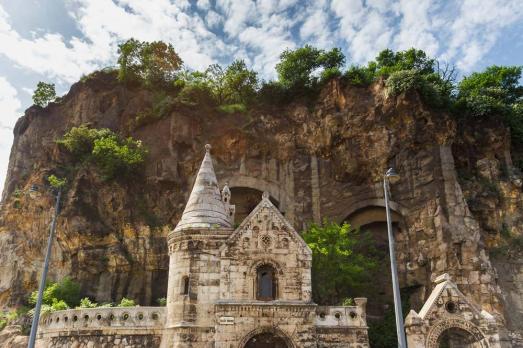
Cave Church

Cave Church

Budapest, HU

The cave church, or "Saint Ivan’s Cave" (after a hermit who supposedly lived there) was founded in 1926 by Pauline monks. Shelter during the Second World War, closed by the communist regime, the site was reopened as a church only in 1991.

Cave church of Panagia Matala

Cave church of Panagia Matala

Matala, GR

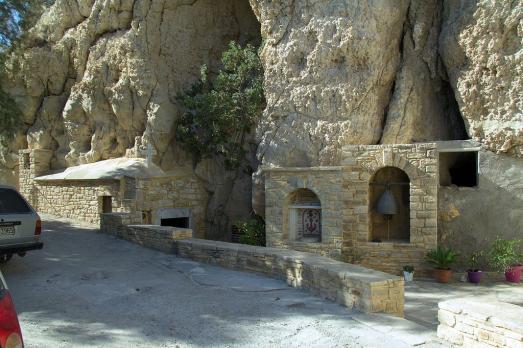
The cave church of Panagia Matala was founded during the Byzantine period in a cave of the village of Matala.

Be inspired

Stupkalnis.lt

10 Buddhist stupas to discover in Europe

Stupas are symbols of enlightenment and peace that commemorate different stages of Buddha's life. Since the mid-20th century, thousands of stupas have begun to populate Europe. We have compiled some of the most impressive ones in this list.