Jozefow Jewish Cemetery
Józefów, PL
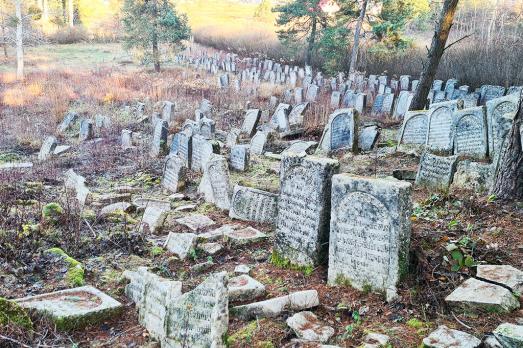
Jozefow Jewish Cemetery is a historic burial site located in the town of the same name. About 400 tombstones or their fragments have been preserved in the cemetery.

Here you can search for a building to visit. You can use the map find destinations, or you can use the filters to search for a building based upon what different criteria.
Józefów, PL
Jozefow Jewish Cemetery is a historic burial site located in the town of the same name. About 400 tombstones or their fragments have been preserved in the cemetery.
Roma, IT
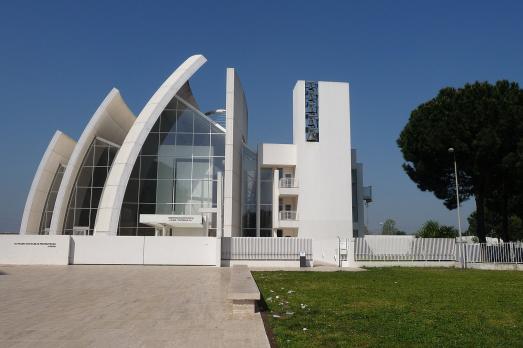
The jubilee church was consecrated in 2001 by Pope John Paul II. The white cement church was designed by the famous architect Richard Meier who wished, in a symbolic way, to give it the shape of a boat with three sails.
Praha, CZ
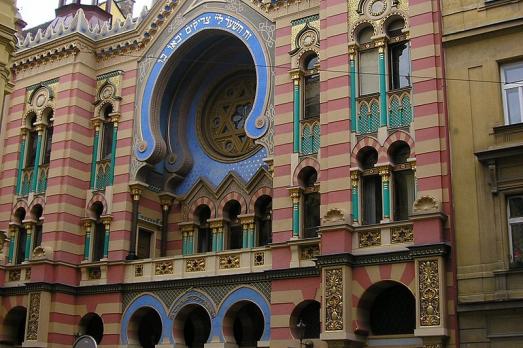
The Jerusalem Synagogue, also known as the Jubilee Synagogue, was built between 1905 and 1906 in Moorish and Art Nouveau styles to replace the synagogues that were demolished during the reconstruction of the Jewish ghetto in Prague. The name "Jubilee" commemorates the 50th anniversary of Emperor Franz Joseph I's accession to the throne.
Kaliningrad, RU
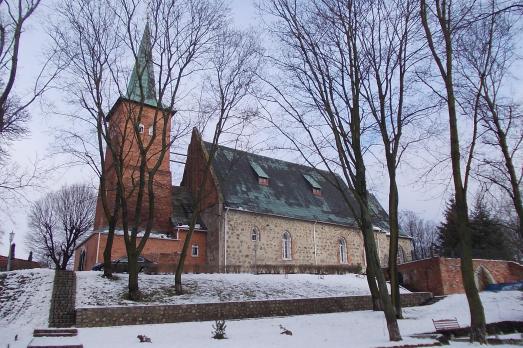
The Juditten Church is today an Orthodox church whose official name is the Church of St. Nicholas. Founded in 1288, it is the oldest surviving building in Kaliningrad and a testimony to early Germanic Gothic architecture. Immediately after the evacuation of the city by the Germans in 1945, the church was destroyed by settlers from the USSR. In the early 1980s, it was decided to hand over the ruins of the Juditten Church to the Russian Orthodox Church for its restoration and opening. On 6 October 1985, the church was consecrated, but restoration work continued until 1990.
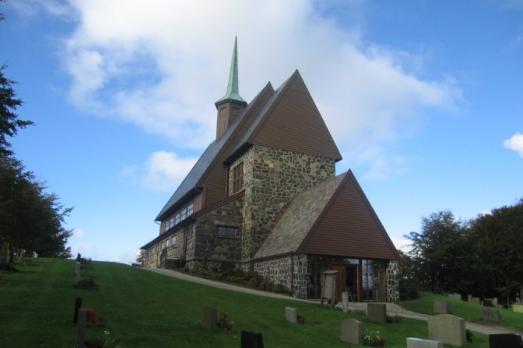
Sandnes, NO
The Julebygda Chapel was built in brick in 1957. The design of the chapel was inspired by the drawings of Valdemar Scheel Hansteen.
Dordrecht, NL
Built as a Reformed Church in 1927-1928. Characteristic Reformed church building with large roof turret. In 1977 in use as a church of the Reformed Community. Renovated and expanded in 2005.
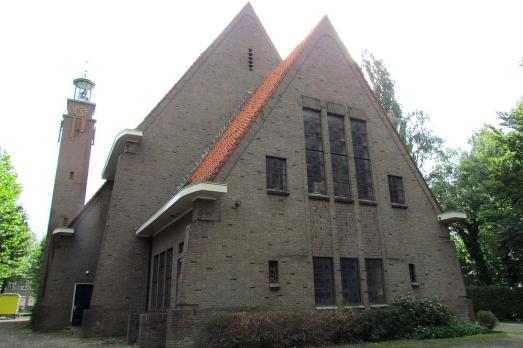
Apeldoorn, NL
Important interbellum church, with old tower and later, after war damage, a new tower built in different forms.
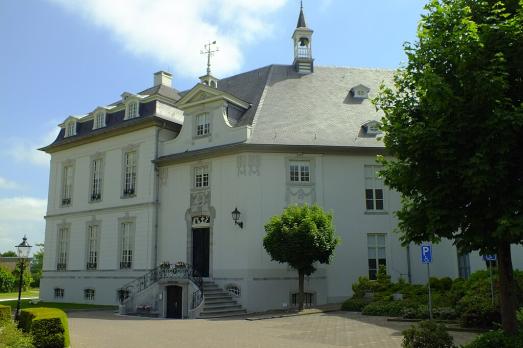
Boxmeer, NL
Founded in 1807 by Julie Postel, the Congregation of the Sisters of Julie Postel dedicated itself to caring for the sick, educating children, and supporting those in need.
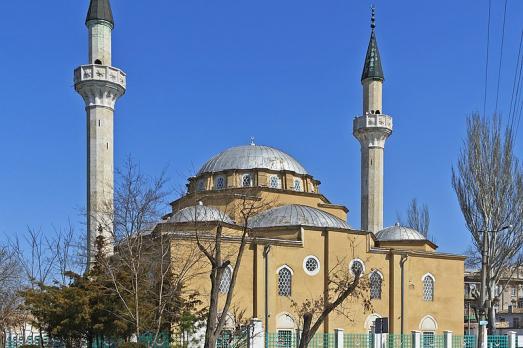
Yevpatoriya, UA
The Juma-Jami is the largest mosque in Crimea. It was founded in 1552 by Khan Devlet I Giray. The building was designed by the Istanbul architect Mimar Sinan, who was the chief architect of the Ottoman Empire.
Jumièges, FR
The complex is currently in ruins but remains part of the churches of Saint-Pierre and Notre-Dame. The abbey of Jumièges was founded in 652 by Saint Philibert. Following the Norman invasions in the 9th century, the Benedictine monks repopulated the abbey at the end of the 10th century, then William of Volpiano reformed the establishment. The abbey church of Notre-Dame was consecrated in 1067 and its choir was under construction in the 13th century. Saint-Pierre church combines pre-Romanesque (beginning of the nave) and Gothic (rest of the nave and choir).

new
For a long time, Europe was ruled by powerful monarchies. Monarchy and religion have been connected since time immemorial. Here are 7 sites across Europe where royalty historically bent the knee to a higher power and received their crown.

Stupas are symbols of enlightenment and peace that commemorate different stages of Buddha's life. Since the mid-20th century, thousands of stupas have begun to populate Europe. We have compiled some of the most impressive ones in this list.

Walter Maria Förderer (1928–2006) was a Swiss architect and sculptor renowned for his neo-expressionist church designs in the 1960s. In this list we have compiled 6 of his church designs that seamlessly integrate religious and secular elements.

How is Religiana helping to conserve and promote Religious Heritage in Europe and why should you get involved?
Find out about Religiana
Are you a tourism organisation or religious heritage sites manager? Discover the advantages of becoming a partner.
See current partners
We can keep you up to date with the latest news from Religiana and religious heritage conservation across Europe.
Sign up to the FRH newsletter