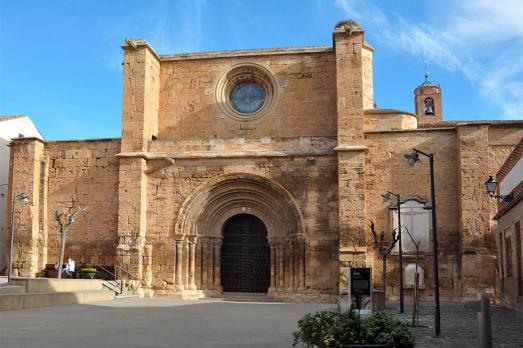
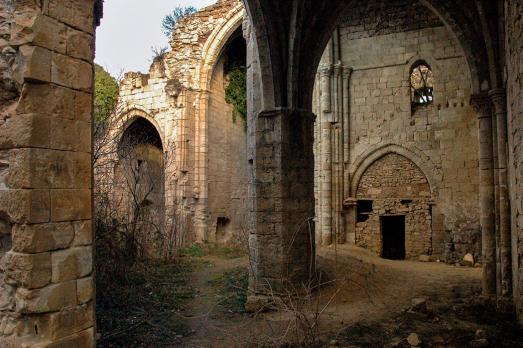
Monastery of Santa María de Estíbaliz
Villafranca de Estíbaliz, ES
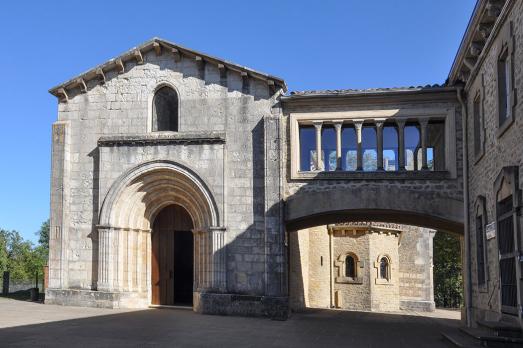
The monastery of Santa María de Estíbaliz is first mentioned in the 10th century.
Here you can search for a building to visit. You can use the map find destinations, or you can use the filters to search for a building based upon what different criteria.
Villafranca de Estíbaliz, ES
The monastery of Santa María de Estíbaliz is first mentioned in the 10th century.
Abárzuza, ES
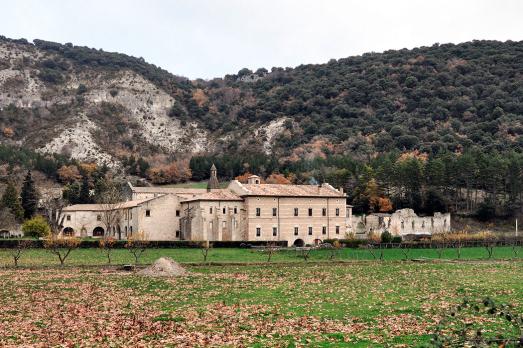
The Monastery of Santa María de Iranzu is a medieval monastic complex in the Iranzu valley which is still home to a Cistercian community.
L'Estany, ES
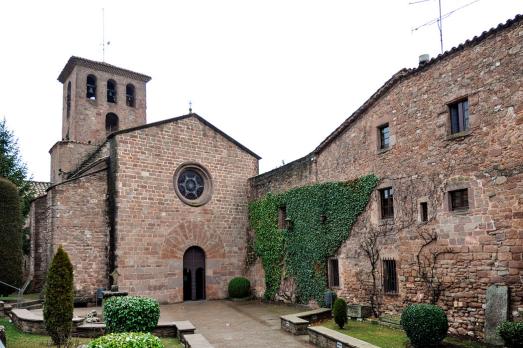
There is evidence of the existence of a church in this place since 990, and like others in this territory. The architectural complex of Santa Maria de l'Estany, which was restored in the 19th century, is made up of the church, the cloister and various outbuildings that are located around the latter, where there is now a museum.
Barcelona, ES
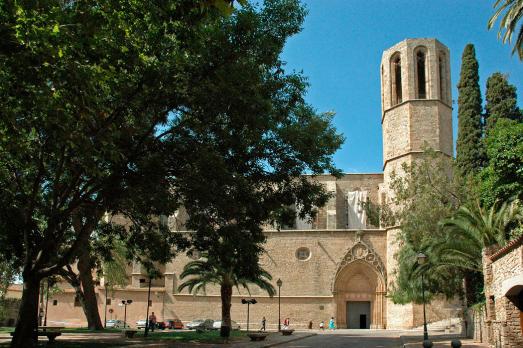
Today, part of the old quarters can be visited as a museum run by the Barcelona City Council, and the current community occupies new premises next to the old monastery.
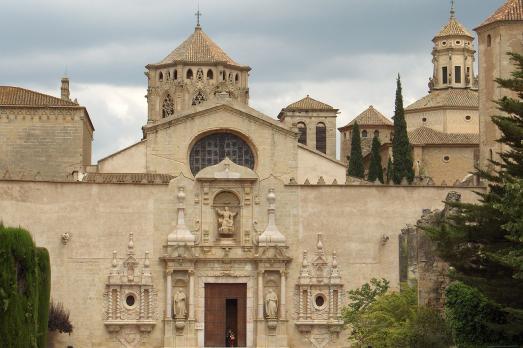
Poblet, ES
The Royal Monastery of Santa Maria de Poblet is a Cistercian abbey founded in 1151. It was the royal pantheon of the Kingdom of Aragon from the end of the 14th century until the extinction of the Royal House of Aragon in the 15th century. Abandoned in 1835, its restoration began in 1930, and in 1935, the church could again be dedicated to worship. In 1991, the Poblet Monastery was declared a World Heritage Site by UNESCO.
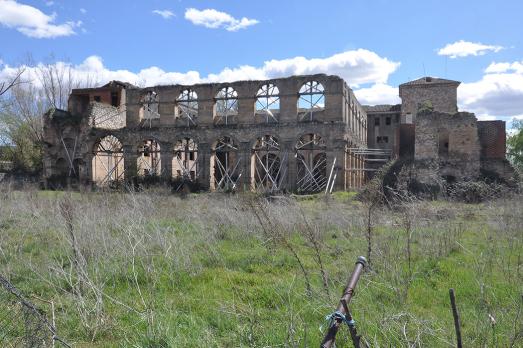
Hita, ES
Traditionally, this monastery has been considered to have very ancient roots, dating back to the Visigothic period. With the support of Alfonso VI, the construction of a canonry that would continue during the following century would have begun, but in 1267 it had already been lost. In 1836, Sopetrán was left without a religious community. There are initiatives to give the site a boost and restore it, although it is still in ruins.
Vera de Moncayo, ES
The foundation of the monastery of Santa María de Veruela is linked to the desire of García Ramirez de Pamplona, the Restorer, (1134-50) to repopulate this territory.
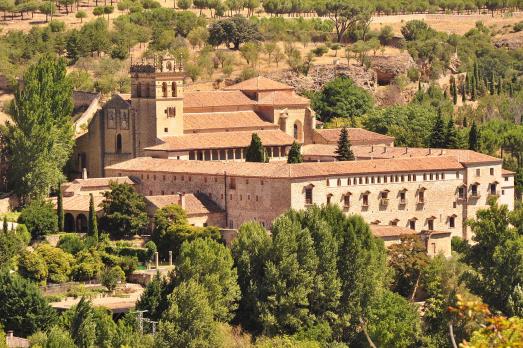
Segovia, ES
The monastery of Santa María del Parral was built from 1447 to 1503 under Henry IV. Its name is due to the fact that the Virgen del Parral, a Romanesque sculpture from a previous temple, is venerated there. The monastic complex presents a wide variety of styles, from Gothic to Mudejar and Plateresque. For more than 500 years it has been occupied by monks of the Order of San Jerónimo.
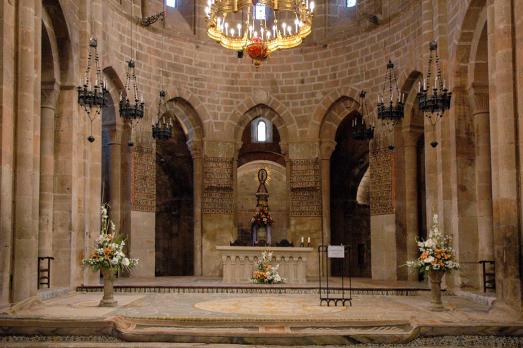
Fitero, ES
The Monastery of Santa María la Real de Fitero was built between the 12th and 13th centuries. The complex preserves the church, the cloister and the chapter house, as well as the conventual rooms that were built in the modern period.
Vila Franca Do Campo, PT
Built by the Order of Friars Minor between the 17th and 18th centuries. It welcomed part of the group of nuns to whom, in the 16th century, Pope Paul III offered the image of the "ecce Homo", an image brought from the Convent of Caloura in Água de Pau and which came to constitute the reference element for one of the greatest religious festivals of the archipelago, that of Senhor Santo Cristo dos Milagres. This image is currently located in the Convent of Nossa Senhora da Esperança in Ponta Delgada.
new
For a long time, Europe was ruled by powerful monarchies. Monarchy and religion have been connected since time immemorial. Here are 7 sites across Europe where royalty historically bent the knee to a higher power and received their crown.
Stupas are symbols of enlightenment and peace that commemorate different stages of Buddha's life. Since the mid-20th century, thousands of stupas have begun to populate Europe. We have compiled some of the most impressive ones in this list.
Walter Maria Förderer (1928–2006) was a Swiss architect and sculptor renowned for his neo-expressionist church designs in the 1960s. In this list we have compiled 6 of his church designs that seamlessly integrate religious and secular elements.