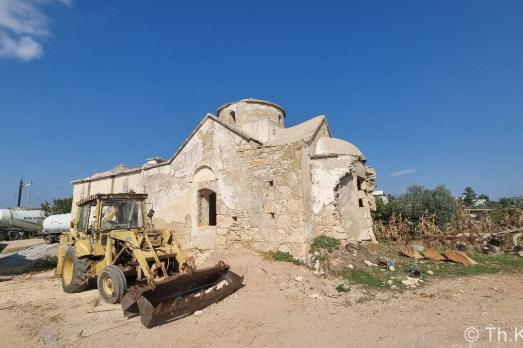
Lemba Mosque
Lemba, CY
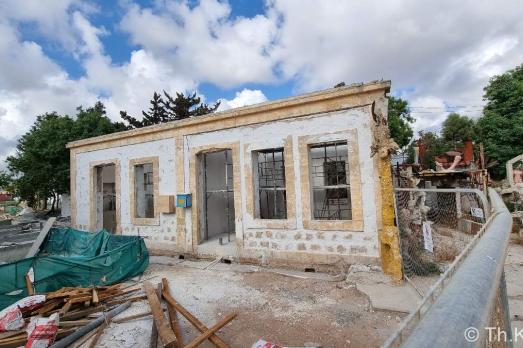
The mosque is located centrally in the old village centre. According to Bağişkan, the current building was erected in 1901. After 1974, the property and garden were used by an artist as a summer art school.
Here you can search for a building to visit. You can use the map find destinations, or you can use the filters to search for a building based upon what different criteria.
Lemba, CY
The mosque is located centrally in the old village centre. According to Bağişkan, the current building was erected in 1901. After 1974, the property and garden were used by an artist as a summer art school.
Lemland , FI
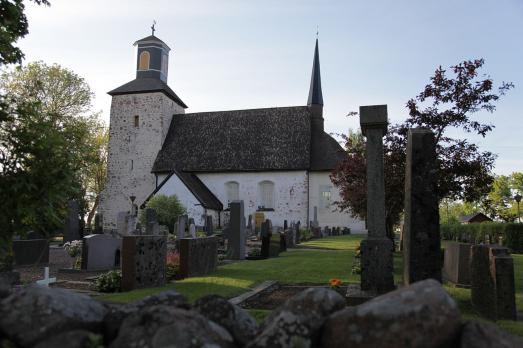
Lemland Church is one of the oldest religious buildings in Finland, dating from the end of the 13th century. The foundations of the bell tower suggest that it was built between 1311 and 1316. On the north side, the main room is connected to a sacristy, probably inherited from the middle of the 15th century. The whitewashed wall paintings were restored at one point and were exhibited during a restoration in 1952-1958. The oldest limestone paintings date from around 1300.
Lempäälä, FI
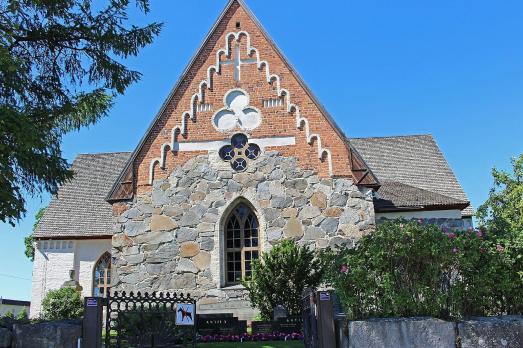
Lempäälä Church, or St. Birgita Church, is a medieval greystone church built around 1502-1505. Many changes have been made to the church, the most important of which was in 1835-1838, when the church was changed from a single nave to a cruciform church due to the growing population of the parish. The church was then renovated to a greater extent than the interior in 1895 and in the 1920s. The last major renovation was completed in 1984.
Masku, FI
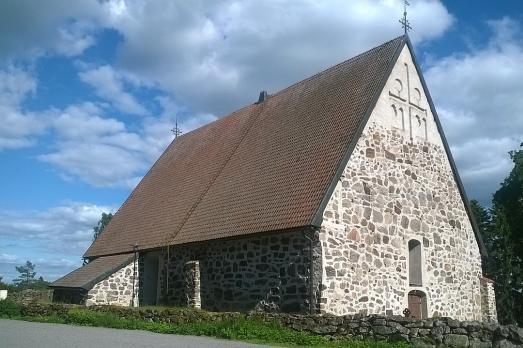
The church of Lemu is a medieval stone church dedicated to St. Olaf. It was probably built between 1460 and 1480. The present neoclassical wooden bell tower of the church, dating from 1812, is located on the north-eastern side of the church. The old bell tower, built in the 1570s, had fallen into ruin at the turn of the 18th century when plans for the present bell tower began to be drawn up. Next to the Lemu church is the homeland museum called Kemppien tupa. The museum is housed in a former parish warehouse built in 1858.
Svensby, NO
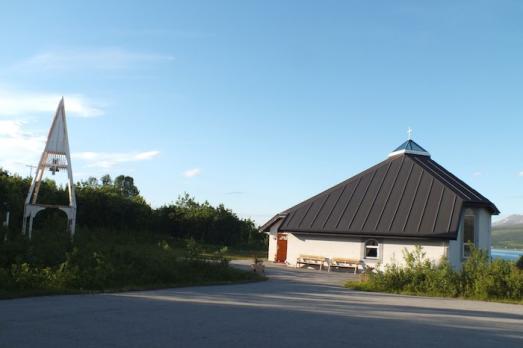
The Lengangsøyra Chapel dates from 1996 and was designed by Arkibygg by J. Gjerdrum. It is made of wood and has 120 seats.
Lensvik, NO
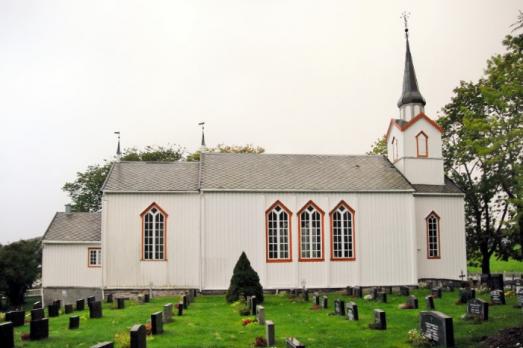
The Lensvik church is a wooden church dating from 1863. The architect of the church was Christian Grosch and the builder was Steffen Andersen Røe. The pulpit dates from the year of inauguration. The baptismal font dates from 1936 and was made by the woodcarver Ole K. Åsmul. The altarpiece is from 1935, designed by John Tverdahl and carved by Ole K. Åsmul. Åsmul.
Senja, NO
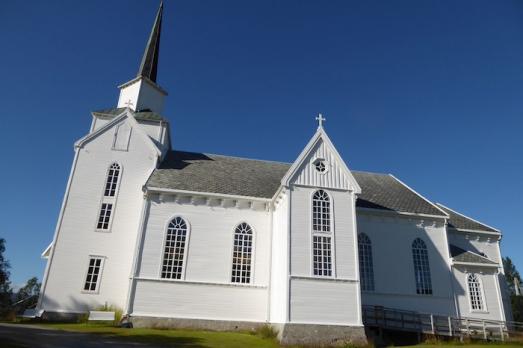
Lenvik church is a wooden church built in 1879. We only know the last name of the architect of the church: Anker.
León, ES
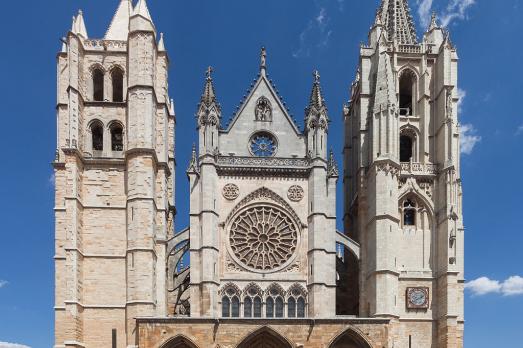
León Cathedral was founded in the 13th century in the French Gothic style. The cathedral replaces an old cathedral, the first one built in Spain in the 10th century. Work on the new cathedral began around 1205 and its basic structure was completed in 1301, although work on the south tower continued until the 15th century. In a precarious state in the 19th century, the cathedral was restored and became the first monument declared in Spain by royal order on 28 August 1844.
Leonarisso, CY
The Agios Antonios Church is located at the eastern edge of the village. The condition of the building is poor to ruin. The interior is in a ruinous state; at the day of visit the building was used as a storage room.
Leonarisso, CY
The church with the ekklesionym Agios Dimitrios is located in the western area of the original settlement area. The church was consecrated by Archbishop Sofronios in 1878. After 1974, the church was used as a mosque for some time before a new mosque was built in the village. After that, the building was left to its own devices.
new
For a long time, Europe was ruled by powerful monarchies. Monarchy and religion have been connected since time immemorial. Here are 7 sites across Europe where royalty historically bent the knee to a higher power and received their crown.
Stupas are symbols of enlightenment and peace that commemorate different stages of Buddha's life. Since the mid-20th century, thousands of stupas have begun to populate Europe. We have compiled some of the most impressive ones in this list.
Walter Maria Förderer (1928–2006) was a Swiss architect and sculptor renowned for his neo-expressionist church designs in the 1960s. In this list we have compiled 6 of his church designs that seamlessly integrate religious and secular elements.