Lepavina Monastery
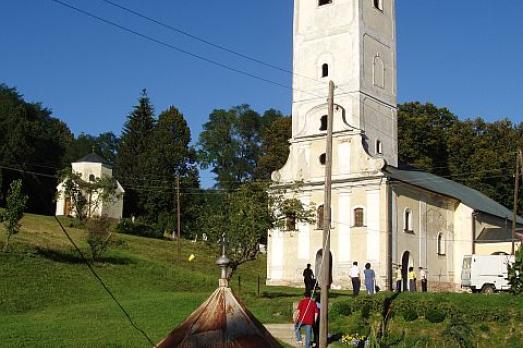
Sokolovac, HR
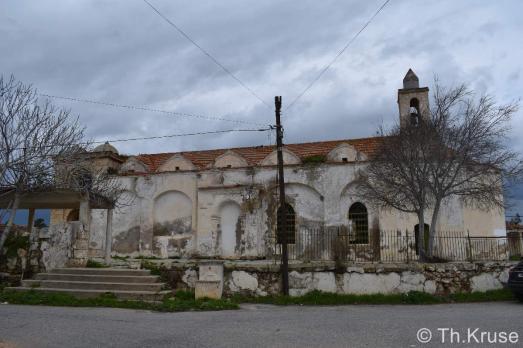
Lepavina Monastery is a Serbian Orthodox monastery. The current monastic complex was built in the 18th century and has preserved an important library as well as an admirable iconostasis.
Here you can search for a building to visit. You can use the map find destinations, or you can use the filters to search for a building based upon what different criteria.
Sokolovac, HR
Lepavina Monastery is a Serbian Orthodox monastery. The current monastic complex was built in the 18th century and has preserved an important library as well as an admirable iconostasis.
Lepiel, BY
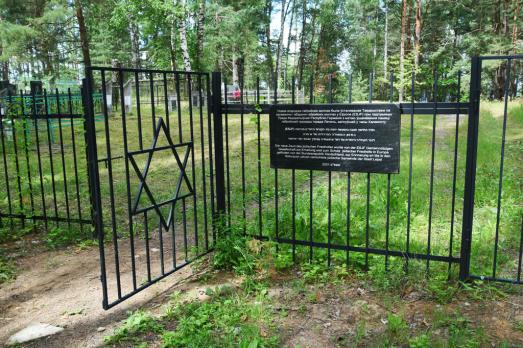
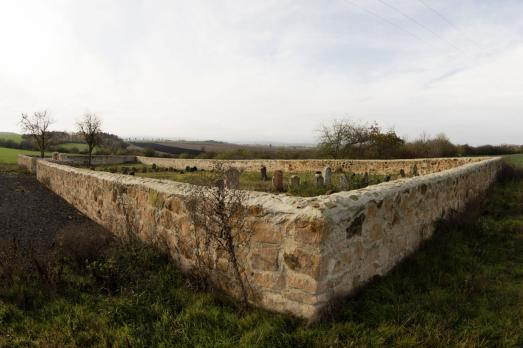
The cemetery near Lyepyel Lake has about 400 tombstones from between the 18th and 20th centuries, some of which are damaged. It was fenced by ESJF in November 2021.
Roqueredonde, FR
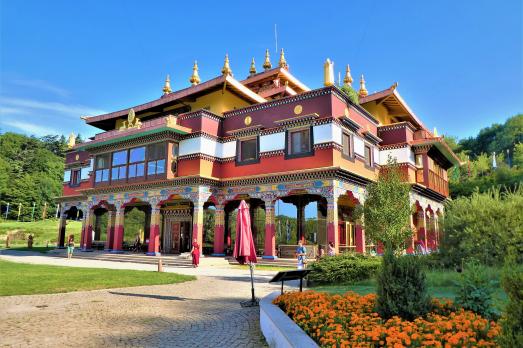
Lerab Ling is a Tibetan Buddhist centre founded in 1991 by the exiled lama Sogyal Rinpoche (1947-2019). The centre, affiliated to the Nyingma school, includes a three-storey temple (Palri Péma Ösel Dargyé Ling) designed and built in the style of an authentic traditional Tibetan temple, and the decorations were made by craftsmen from India, Nepal and Bhutan.
Leshniv, UA
The exact period of the cemetery’s establishment is unknown. Presumably, it appears on the Austro-Hungarian maps of the 1880s. According to Pinkas haKehillot, the cemetery was operating until 1939. On November 2, 1942, a ghetto was established. On 17 April 1943, the Leshniv ghetto was liquidated, and more than 250 Jews were deported to the Brody ghetto. 19 Jews returned to Leshniv after WWII.
Lesja, NO
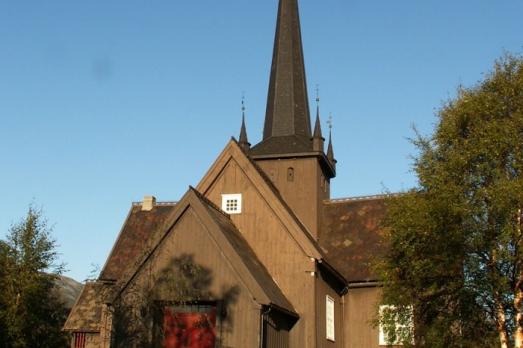
The Lesja church is a half-timbered church with a cross plan and an exterior panel. Above the centre of the cross is a tower with a high pointed hat. The choir of the church is in the arm of the eastern cross. As part of the restoration of the church in 1925-32, Ragnvald Einbu was commissioned to decorate the church.
Lesja, NO
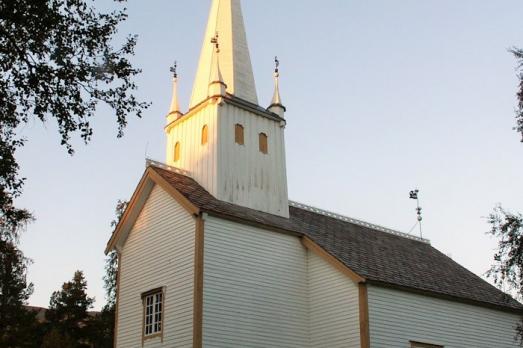
The church in Lesjaskog is a wooden church that was built in 1697. The church has a long plan with a rectangular nave and a narrower, lower choir. To the west is a two-storey porch with a turret. To the north of the chancel is a sacristy. The altarpiece is said to have been carved by Lucas Nilsen Gram in 1697.
Lesjaverk, NO
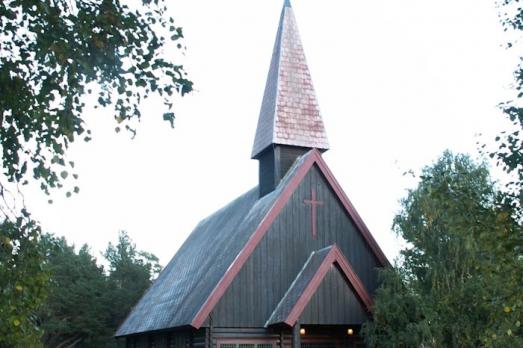
Lesjaverk church is a wooden church that was built in 1964. The church has a rectangular plan and was designed by architects Nissen and Brynning andd Åsmund Nyrnes. The interior is complete and well preserved from the time of construction.
Lesnovo , MK
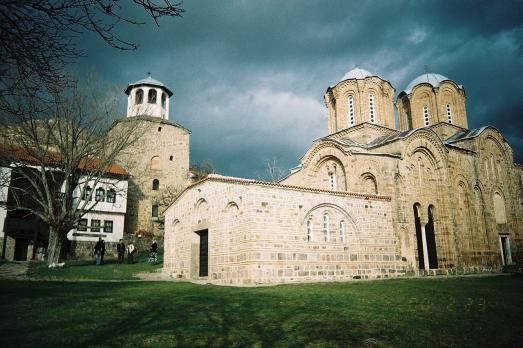
Lesnovo Monastery is an Orthodox monastery founded by Saint Gabriel of Lesnovo in the 11th century. His relics were kept in the church before being transferred to Veliko Tarnovo, Bulgaria. The church, dedicated to the Archangel Saint Michael, was rebuilt in 1341, and its interior decoration was completed in 1349. The monastery was restored in 1558 and again in 1581. It continued its activity until the 18th century but was abandoned at the beginning of the 19th century. However, it was restored in 1805 by a monk from Detchani. The frescoes in the church date from the 14th century.
Podbořany, CZ
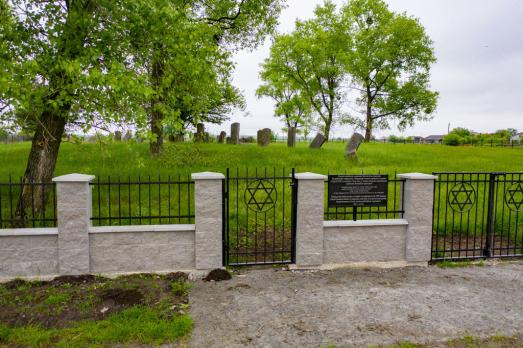
South of Podbořany are the remains of a Jewish Cemetery with around 100 tombstones. The cemetery is surrounded by a stone wall, erected by the ESJF in December 2017.
Letterkenny, IE
St Eunan's Cathedral is Letterkenny's Catholic cathedral, built in the 1890s and 1900s. The cathedral was opened on 16 June 1901 and was built in the Victorian Gothic Revival style on a site overlooking the city. It was designed by William Hague, a famous Dublin architect.
new
For a long time, Europe was ruled by powerful monarchies. Monarchy and religion have been connected since time immemorial. Here are 7 sites across Europe where royalty historically bent the knee to a higher power and received their crown.
Stupas are symbols of enlightenment and peace that commemorate different stages of Buddha's life. Since the mid-20th century, thousands of stupas have begun to populate Europe. We have compiled some of the most impressive ones in this list.
Walter Maria Förderer (1928–2006) was a Swiss architect and sculptor renowned for his neo-expressionist church designs in the 1960s. In this list we have compiled 6 of his church designs that seamlessly integrate religious and secular elements.