Palaikythro Panagia Galaterousa Church
Palaikythro, CY
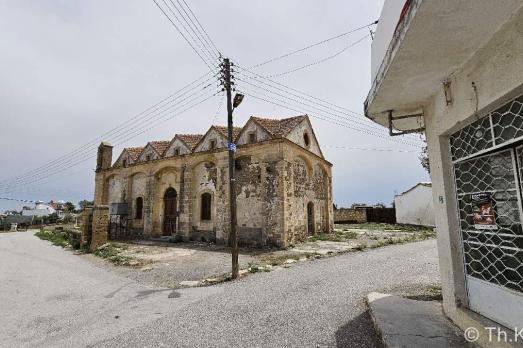
The church with the ekklesionym Panagia Galaterousa is located in the eastern area of the village centre and was built in 1895. On the day of the visit, the church was locked.

Here you can search for a building to visit. You can use the map find destinations, or you can use the filters to search for a building based upon what different criteria.
Palaikythro, CY
The church with the ekklesionym Panagia Galaterousa is located in the eastern area of the village centre and was built in 1895. On the day of the visit, the church was locked.
Palárikovo, SK
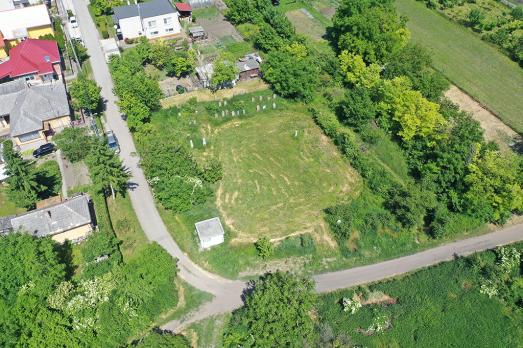
The oldest gravestone in the cemetery dates from 1872 and the most recent from 1934. The cemetery has a fence installed in January 2023 by ESJF.
Aachen, DE
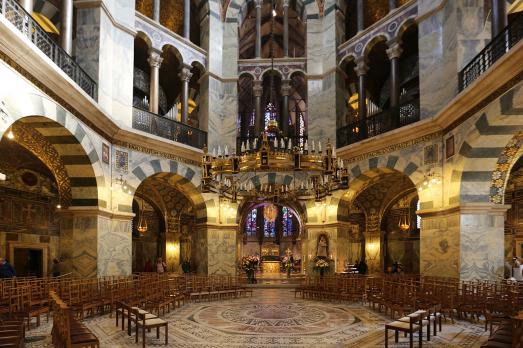
The Palatine Chapel of Aachen was built between 792 and 804 by Odon of Metz (742-814). It was Charlemagne's private chapel in Aachen, which was part of his palatine complex. It contains the remains of Charlemagne and was a place of coronation for about 600 years. In the 21st century, the chapel has been preserved almost intact, despite later additions and major repairs in the 19th century. As part of Aachen Cathedral, it is included in the UNESCO World Heritage List.
La Boulaye, FR
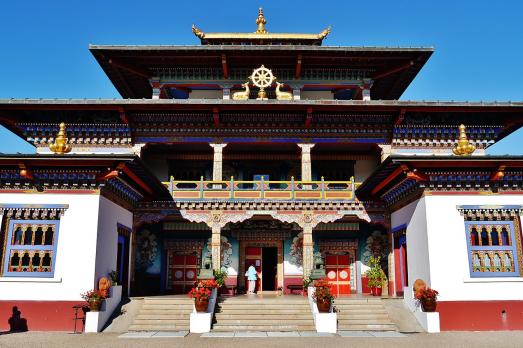
Paldenshangpa La Boulaye is a Buddhist meditation centre occupied by the Dashang Kagyu Ling religious congregation. It was founded in 1974 by French disciples of Lama Kalu Rinpoche. The Bhutanese style temple, built on the model of the Samye Monastery, was inaugurated in 1987 under the name "Temple of a Thousand Buddhas". The complex houses "Thangkas" (paintings), statues of Gautama Buddha, Tara, Padmasambhava and since 1980, the site also includes a large stupa.
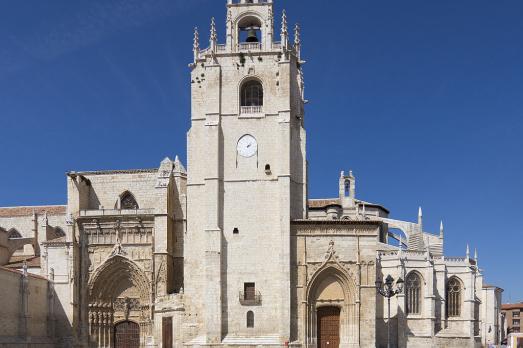
Palencia, ES
Palencia Cathedral, dedicated to San Antolín, is the second-largest cathedral in Spain in terms of nave length. The construction of the current building began in the 14th century and lasted until the 16th century. It is a building of mainly Gothic style, although it preserves earlier elements from the Visigothic and Romanesque periods, as well as decorative elements from the Renaissance, Baroque and Neoclassicism. The crypt of San Antolín is the only remaining part of the original Visigothic cathedral built in the second half of the 7th century, with Romanesque elements added later.
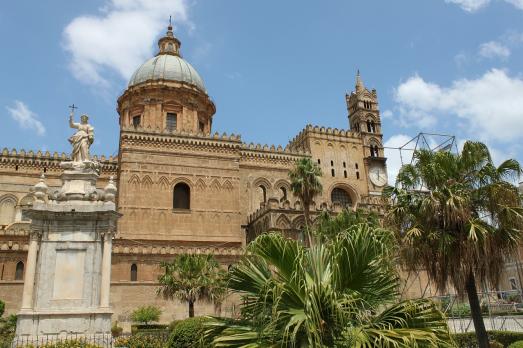
Palermo, IT
Palermo Cathedral was founded in 1185 on an ancient Roman basilica turned into a mosque in the 9th century. The building combines many different styles, ranging from Norman to Moorish and Baroque. It is a UNESCO World Heritage Site since 2015.
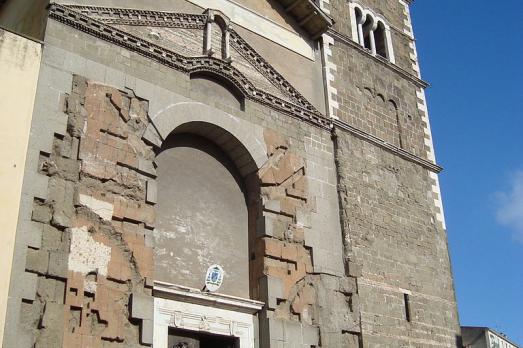
Palestrina, IT
The Cathedral of Palestrina was built in the 15th and 16th centuries on an ancient church, it was enlarged in the 18th century and largely rebuilt in the 18th and 19th centuries. The façade has Romanesque elements in its upper part, while the marble portal bears the coats of arms of the Della Rovere and Colonna families. The façade has also preserved traces of an ancient sundial from the Roman period.
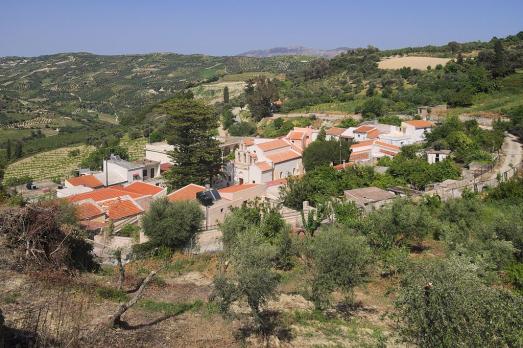
Venerato, GR
Paliani Monastery is one of the oldest monasteries in Crete, dating from the first centuries of the Byzantine Empire. After a troubled period of continuous looting during the Ottoman period, the monastery was given a new life after its renovation at the end of the 19th century.
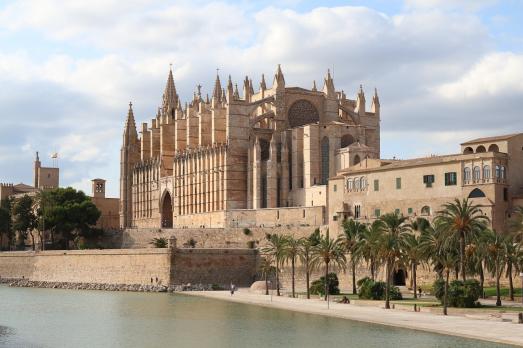
Palma, ES
The Palma Cathedral, or Cathedral of Mallorca is a Catalan Gothic church built between the thirteenth and sixteenth century. It is located in the acropolis of the Roman city of Palma and is famous for its monumental rose window.
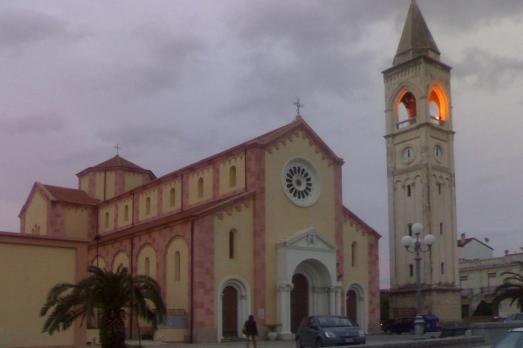
Palmi, IT
Palmi Cathedral was first mentioned between 1310 and 1311. The church, destroyed by an earthquake on 5th February 1783, was rebuilt between 1740 and 1743; extensions and modifications were carried out in March 1786. After being rebuilt following an earthquake, St. Nicholas again suffered severe damage in the 1908 earthquake, so that the building was demolished in 1909. The present building was consecrated in 1932.

new
For a long time, Europe was ruled by powerful monarchies. Monarchy and religion have been connected since time immemorial. Here are 7 sites across Europe where royalty historically bent the knee to a higher power and received their crown.

Stupas are symbols of enlightenment and peace that commemorate different stages of Buddha's life. Since the mid-20th century, thousands of stupas have begun to populate Europe. We have compiled some of the most impressive ones in this list.

Walter Maria Förderer (1928–2006) was a Swiss architect and sculptor renowned for his neo-expressionist church designs in the 1960s. In this list we have compiled 6 of his church designs that seamlessly integrate religious and secular elements.

How is Religiana helping to conserve and promote Religious Heritage in Europe and why should you get involved?
Find out about Religiana
Are you a tourism organisation or religious heritage sites manager? Discover the advantages of becoming a partner.
See current partners
We can keep you up to date with the latest news from Religiana and religious heritage conservation across Europe.
Sign up to the FRH newsletter